Why Microsoft Is Right to Prioritize Halo and Gears Over Fable
Microsoft should keep Halo: Campaign Evolved and Gears of War: E-Day in 2026 and let Fable slip to 2027.
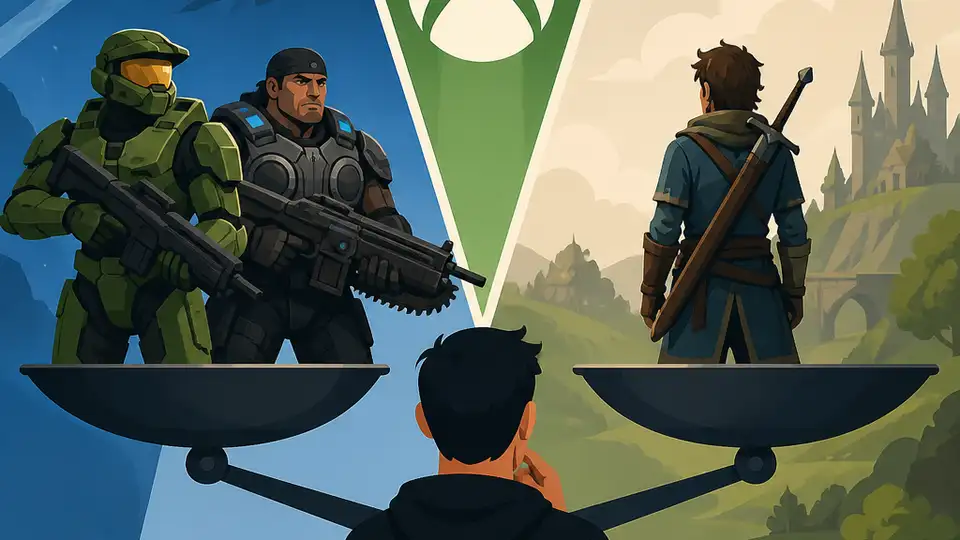
Microsoft should keep Halo and Gears in 2026 and let Fable slide to 2027.
Microsoft made the right call by keeping Halo: Campaign Evolved and Gears of War: E-Day on a 2026 path while pushing Fable to 2027, because brand gravity matters more than calendar symmetry. The company’s own XBOX post is the evidence: it is planning its launch slate around the two franchises that still define Xbox identity, while treating Fable as the one project that can absorb delay without damaging the platform’s core pitch.
First, the biggest franchises deserve the clearest runway
Get the latest AI news in your inbox
Weekly picks of model releases, tools, and deep dives — no spam, unsubscribe anytime.
No spam. Unsubscribe at any time.
Halo and Gears are not just games, they are platform signals. When Microsoft says those two will land in 2026, it is telling players, investors, and partners that Xbox still has a backbone of recognizable tentpoles. That matters because the modern console market is built on trust, and trust comes from seeing the same pillars return on schedule. A delay on Fable does not erase its value, but it does show that Microsoft understands which brands carry the most weight.
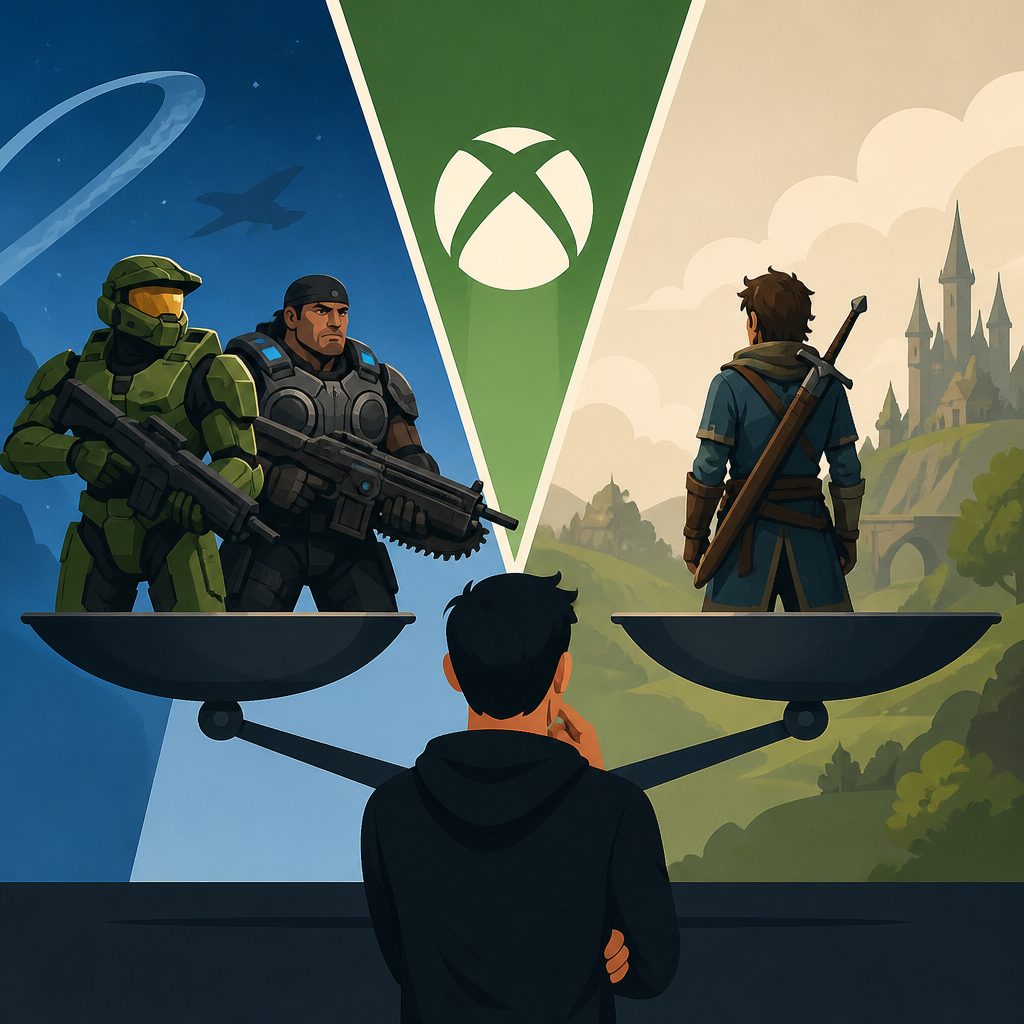
The timing also fits the company’s own promotional logic. Microsoft is already pointing people toward a June 8, 2026 Xbox Showcase, which all but invites gameplay reveals for Halo: Campaign Evolved and Gears of War: E-Day. That is the right sequencing. Big franchises need a clean marketing runway, not a crowded field where every trailer competes for attention. By keeping those two in 2026, Microsoft protects the launch window that actually moves hardware, subscriptions, and social conversation.
Second, Fable is the smartest project to delay
Fable is the most flexible of the three because it is the least dependent on pure franchise continuity. Halo and Gears are legacy systems of expectation; Fable is a rebooted promise. That makes it the safest title to move, since its audience is buying into a tone, a world, and a new interpretation rather than a direct continuation of a long-running combat loop. In practice, that means Microsoft can delay Fable without breaking the emotional contract with players.
The recent trailer cadence makes the delay easier to defend, not harder. According to the source article, Fable has shown more in-game footage than either Halo: Campaign Evolved or Gears of War: E-Day, yet it is the one being pushed back. That looks odd on the surface, but it is actually a sign of discipline. Footage is not readiness. A project can look more polished in public and still need more time to lock systems, balance progression, or finish content. Delaying the game with the broadest creative reinvention is preferable to rushing it just because it has already been visible.
The counter-argument
The strongest case against Microsoft’s move is simple: Fable has been the most visible of the three, so delaying it looks like a confidence problem. Players have seen more of it, heard more about it, and therefore expect it to be closest to release. If Microsoft can move the game with the most public momentum while keeping quieter projects locked for 2026, the company risks looking backward and opaque. That perception matters, especially for a publisher that has spent years trying to prove it can ship on time.
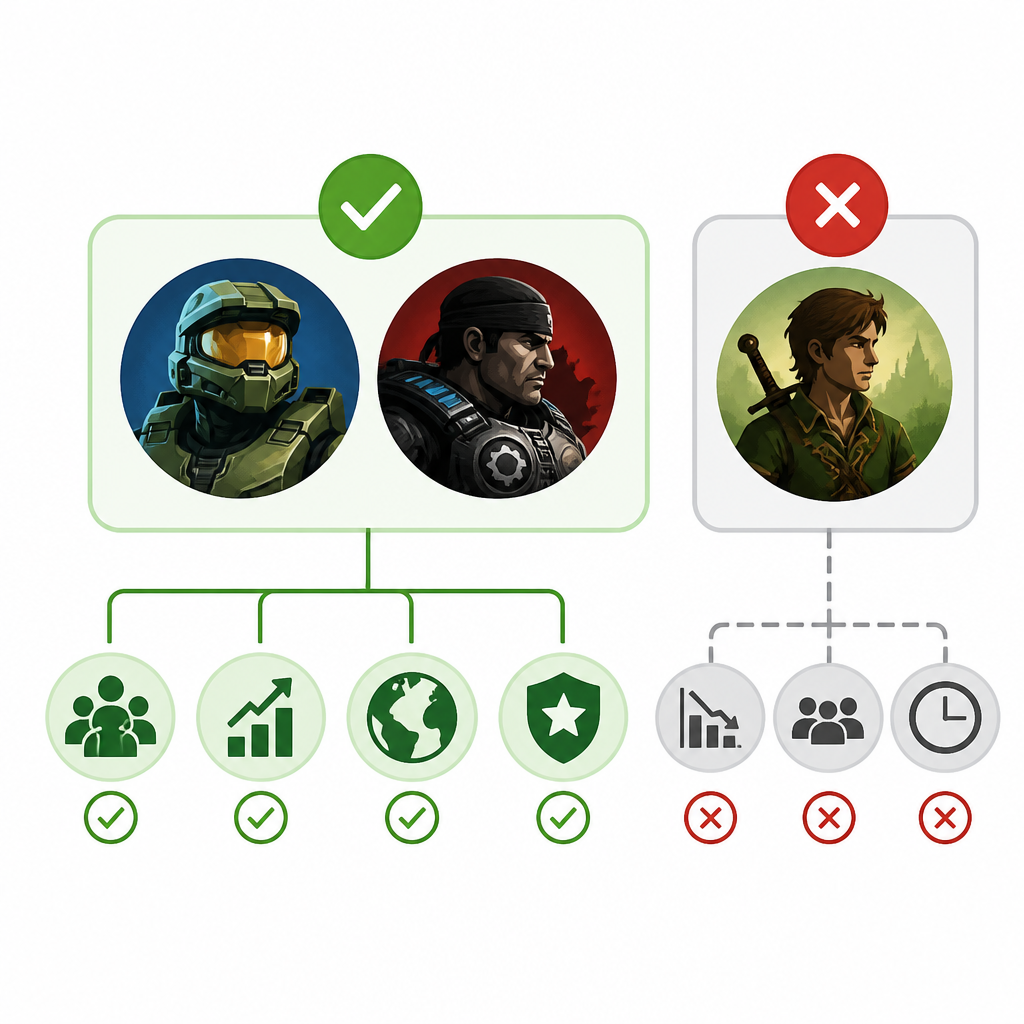
There is also a real production concern. A delay to 2027 can signal deeper trouble than a routine schedule change. If the studio needs another year after already showing gameplay, then the project may be struggling with scope, quality, or direction. Skeptics are right to ask whether Microsoft is hiding a bigger problem behind a polite date shift.
But that critique only goes so far. Microsoft is not obligated to reward the most visible game with the earliest launch date, and visibility is not a reliable measure of completion. In fact, the opposite is often true: the more a reboot is shown early, the more likely it still needs structural work. The specific reason to accept this delay is that Fable is the only one of the three that can move without weakening Xbox’s 2026 message. Halo and Gears are the message. Fable is the bonus.
What to do with this
If you are a founder or product leader, the lesson is blunt: schedule around strategic importance, not around which project has the loudest trailer. If you are an engineer or producer, treat public footage as a marketing milestone, not a shipping milestone, and do not confuse the two. Microsoft’s move is the correct one because it preserves the credibility of its biggest brands, gives its showcase a sharper focus, and buys Fable the time it needs without forcing the rest of Xbox to wait for it.
// Related Articles
- [IND]
Gemini lands inside Apple’s developer stack
- [IND]
Five AI coding IDEs that fit real workflows
- [IND]
Devin Desktop turns Windsurf into an agent hub
- [IND]
Korea’s Nvidia talks point to an AI factory push
- [IND]
OpenAI should not rush its IPO just to win the AI race
- [IND]
OpenAI updates its Europe privacy policy