Why the Middle East news cycle is wrong about escalation
The Middle East coverage is too fixated on flare-ups and misses the deeper logic of negotiated escalation.
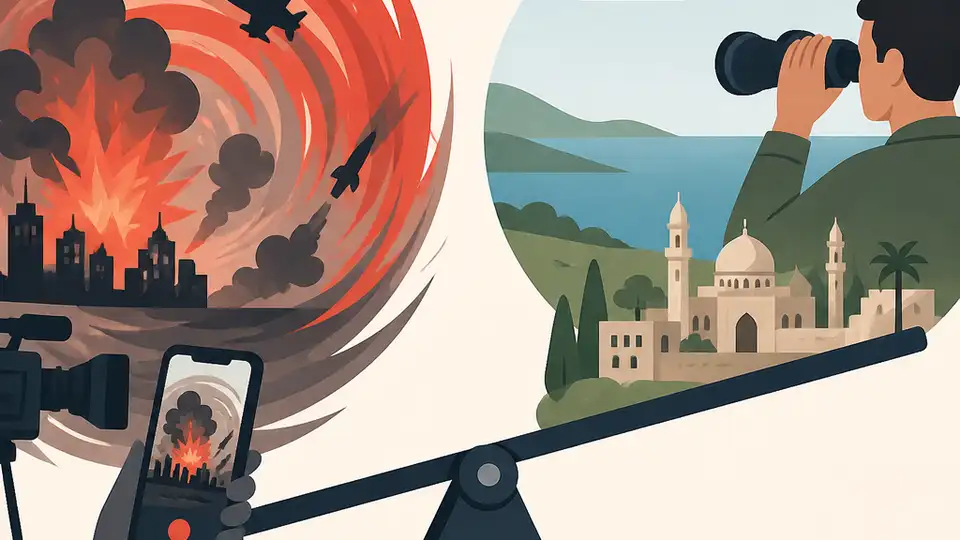
The Middle East news cycle overstates chaos and understates the logic of negotiated escalation.
The BBC’s Middle East feed reads like a live-fire map: Beirut suburbs targeted, Hezbollah and Israel trading attacks, Iran and the US edging around a deal, and satellite imagery showing damage that official statements do not fully admit. That is not random disorder. It is a system in which force, messaging, and bargaining are now intertwined, and the real story is not simply that the region is spiraling. It is that every major player is trying to use escalation to shape the next round of negotiations.
Escalation is now a bargaining tool, not just a breakdown
Get the latest AI news in your inbox
Weekly picks of model releases, tools, and deep dives — no spam, unsubscribe anytime.
No spam. Unsubscribe at any time.
The first mistake is to treat each strike as proof that diplomacy has failed. The current pattern suggests the opposite: violence is being used to improve leverage at the table. When US media report that Washington is seeking edits to a deal with Iran over the Strait of Hormuz and enriched uranium, the military pressure and the diplomatic pressure are part of the same campaign. The battlefield is not separate from the negotiation.
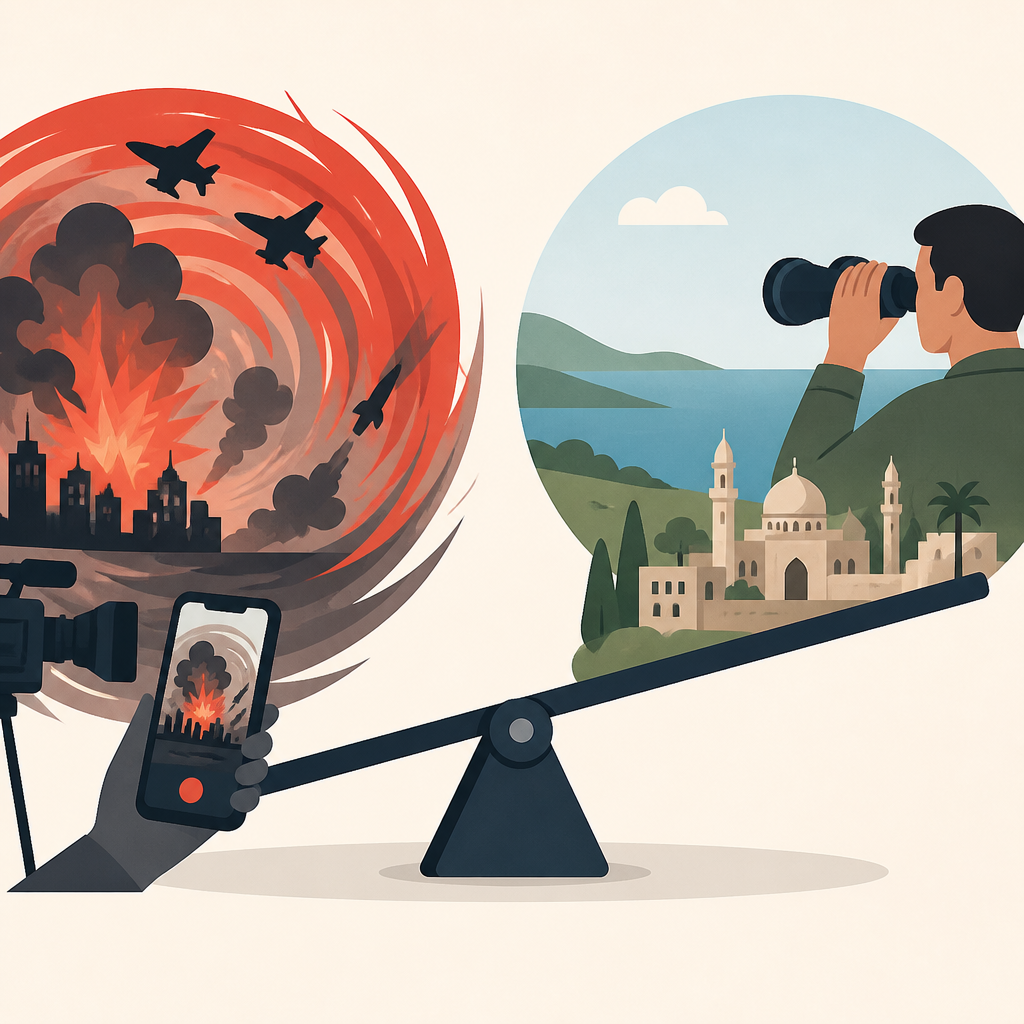
That logic also explains why the talks keep returning after every shock. A framework can be agreed, then delayed, then revised, while each side tests what the other will tolerate. The BBC’s reporting on a possible ceasefire extension and on fresh strikes around the Strait of Hormuz shows a region where coercion is not replacing diplomacy but feeding it. The cycle is ugly, but it is not aimless.
Public narratives lag behind the actual balance of power
The second mistake is to trust official language more than the evidence on the ground. BBC Verify’s reporting that Iranian strikes damaged 20 US military sites since the start of the war matters because it shows the scale of the conflict has been larger than many public statements admitted. When the facts are bigger than the rhetoric, the public is always behind the curve.
The same is true in Lebanon. Israel’s expansion of ground operations, orders to evacuate large parts of the country, and strikes on Beirut suburbs all point to a widening campaign, while Hezbollah’s use of fibre-optic drones shows adaptation rather than collapse. Neither side is simply “winning.” Both are learning, adjusting, and absorbing losses. Coverage that frames the conflict as a clean march toward victory misses the more important reality: the balance of power is unstable, contested, and constantly recalculated.
The counter-argument
The strongest case against this view is simple: calling escalation “negotiated” risks normalizing civilian harm and giving states too much credit for violence they did not carefully control. From this angle, the strikes on Beirut, the attacks on Israeli civilians, and the damage to US sites are not bargaining chips but evidence that deterrence has broken down. If leaders are misreading each other, then the region is not entering a new strategic equilibrium. It is stumbling toward a wider war.
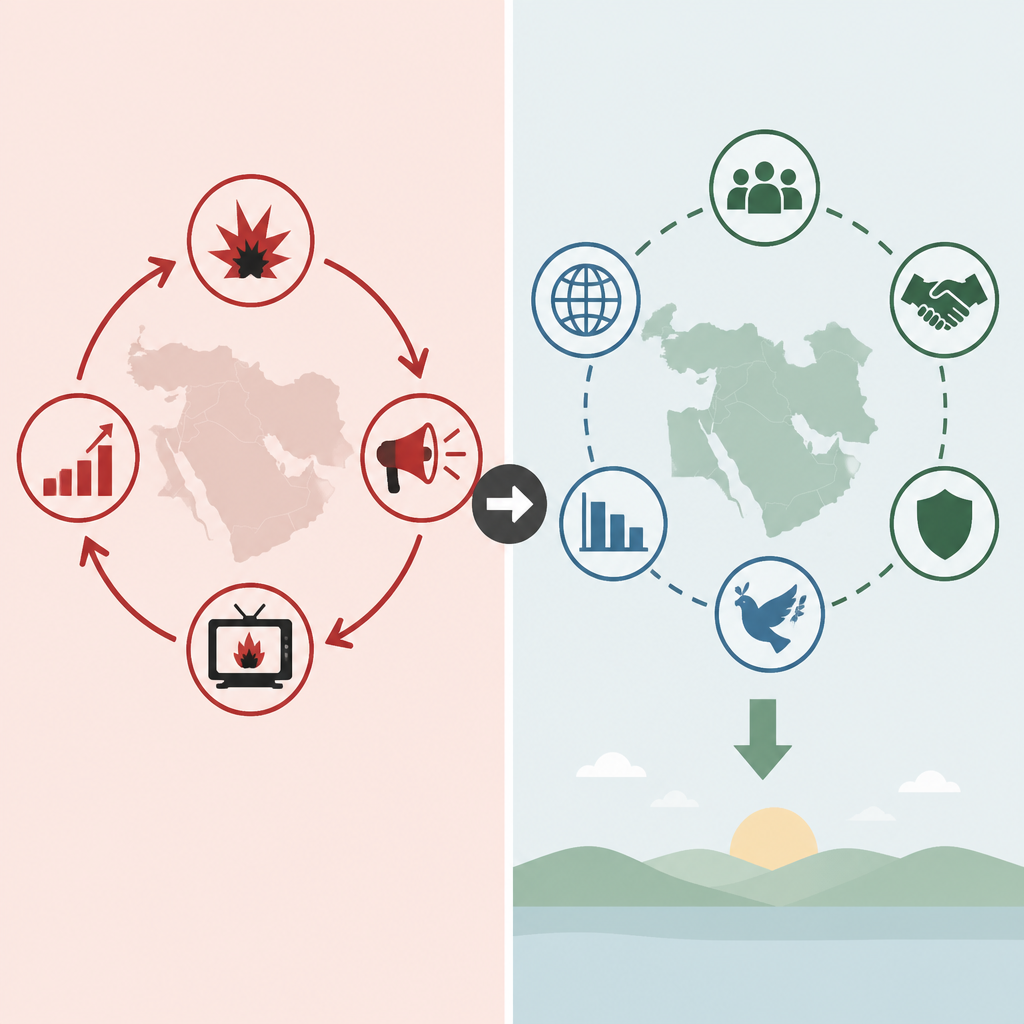
That objection is serious, and it is right about one thing: there is no guarantee that escalation stays bounded. But it still misses the central pattern. The repeated return to talks, the reported framework between the US and Iran, and the constant linkage between military action and political demands show that the actors themselves are treating force as part of a negotiation structure. That does not make the violence legitimate. It makes it legible. The limit is clear: this logic explains behavior, but it does not excuse the human cost.
What to do with this
If you are a reporter, analyst, PM, or founder building for this region, stop reading headline spikes as isolated events. Track the sequence instead: strike, claim, denial, negotiation, revision. Build your decisions around incentives, not just incidents. For engineers and product teams, that means designing systems that can handle fast-changing risk, fragmented information, and sudden policy shifts. For founders, it means planning for volatility as a permanent condition, not a temporary disruption. In the Middle East, the news is not just about conflict. It is about how conflict is used to negotiate the next reality.
// Related Articles
- [IND]
Korea’s Nvidia talks point to an AI factory push
- [IND]
OpenAI should not rush its IPO just to win the AI race
- [IND]
OpenAI updates its Europe privacy policy
- [IND]
OpenAI is right to keep ads out of sensitive chats
- [IND]
AI bootlegs are already draining streaming royalties
- [IND]
AMD and Microsoft push Windows ML on GPU and NPU