Why the Mistral Missile Still Matters in Modern Air Defense
The Mistral missile remains vital because short-range air defense now decides survival at the edge of the battlefield.
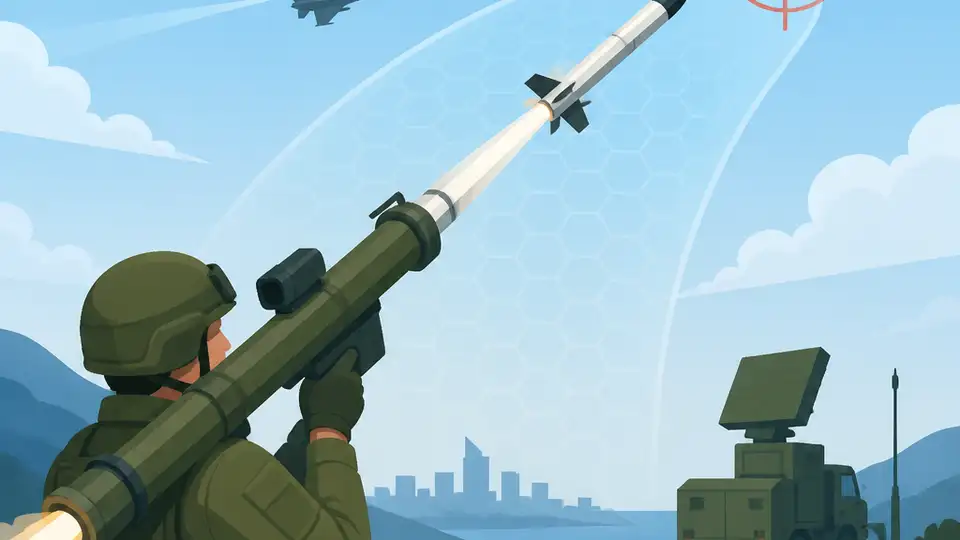
The Mistral missile remains vital because short-range air defense now decides survival at the edge of the battlefield.
The Mistral missile is not a legacy curiosity, it is a necessary answer to the drone-saturated, low-altitude fights modern armies actually face.
That is the central lesson of France’s MBDA-built system: speed, mobility, and passive infrared guidance matter more than headline range when threats arrive low, fast, and in numbers. The Mistral 3 can hit targets out to about 7.5 to 8 kilometers, travels at roughly Mach 2.5 to 2.7, and can be mounted on tripods, vehicles, ships, and helicopters. In a battlefield where loitering munitions and small drones expose every gap in layered air defense, that combination is not niche. It is essential.
First, short-range defense is where the real fight is
Get the latest AI news in your inbox
Weekly picks of model releases, tools, and deep dives — no spam, unsubscribe anytime.
No spam. Unsubscribe at any time.
Air defense debates still overvalue long-range systems because they are easier to market and easier to count. But the threats that kill troops, blind sensors, and harass logistics rarely announce themselves from far away. They skim terrain, appear briefly, and force a decision in seconds. The Mistral was built for that exact problem: a final protective layer that can be moved with the force it protects.
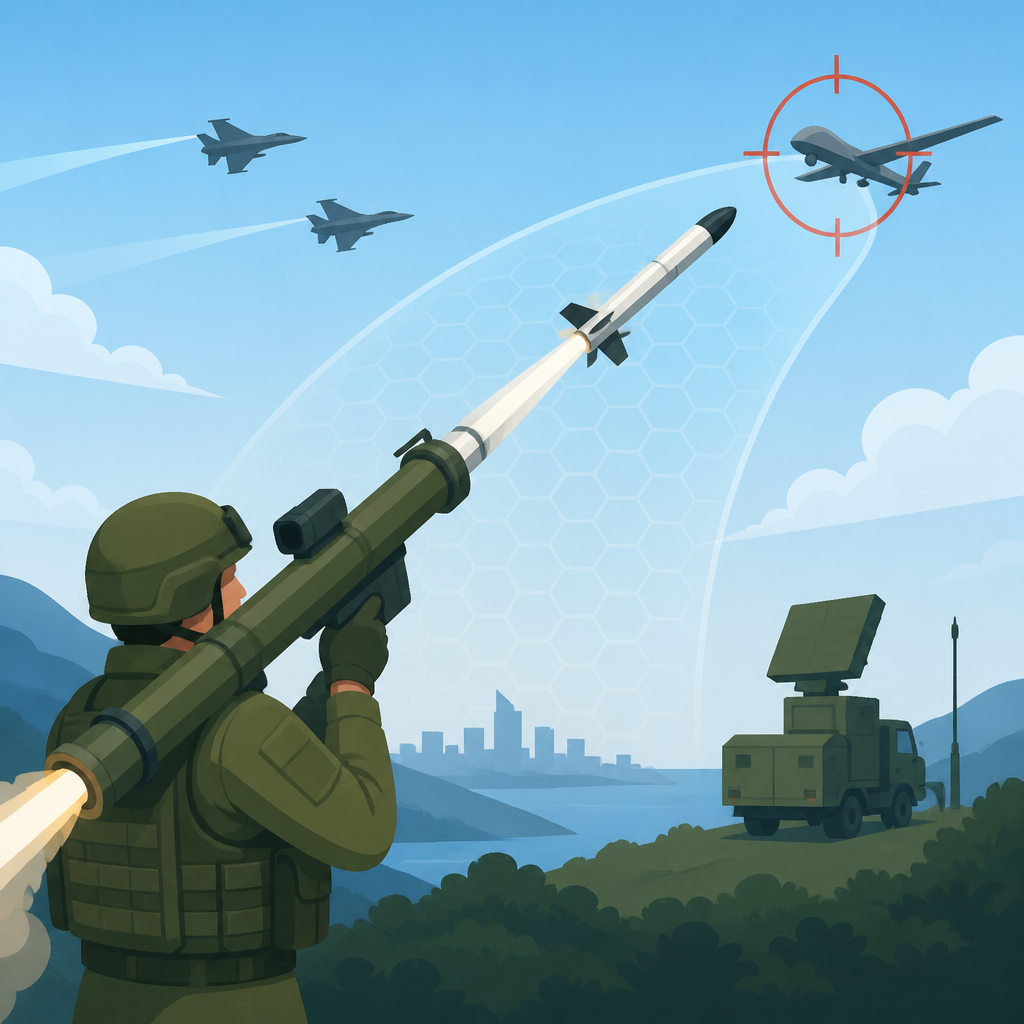
The evidence is in its design history. France began the program in 1974 to counter low-altitude threats, and the system has stayed relevant because the threat set kept changing. Mistral 1 gave way to Mistral 2, then Mistral 3 added an imaging infrared seeker and stronger resistance to decoys. That evolution matters. A weapon survives this long only if the mission remains real, and the mission has become more urgent as drones and cruise missiles multiply on modern battlefields.
Second, mobility beats theoretical perfection
The Mistral’s strongest argument is not that it is the most powerful air-defense missile. It is that it can be where the threat is. A system that can ride on a vehicle, sit on a naval mount, or be fired from a portable launcher gives commanders options that fixed batteries cannot. That flexibility is exactly why very short-range air defense is regaining importance in European and Indo-Pacific force planning.
Look at the operational footprint. More than 30 countries use Mistral, including Australia, Belgium, Romania, and the Philippines, which tells you the system is not trapped in one doctrine or one theater. It has also been used in Ukraine against low-flying aircraft and drones, proving that the market for mobile point defense is not abstract. When a weapon shows up in both armored vehicles and shipboard turrets, it is because militaries want one thing: a fast response to a threat that does not wait for a layered network to catch up.
The counter-argument
Critics are right about one thing: Mistral is not enough by itself. Its short range means it cannot replace medium- or long-range surface-to-air missiles, and it still depends on visual or sensor-based target acquisition. In other words, it is a close-in tool, not a theater shield. If a force mistakes it for a complete air-defense solution, it will create dangerous gaps.
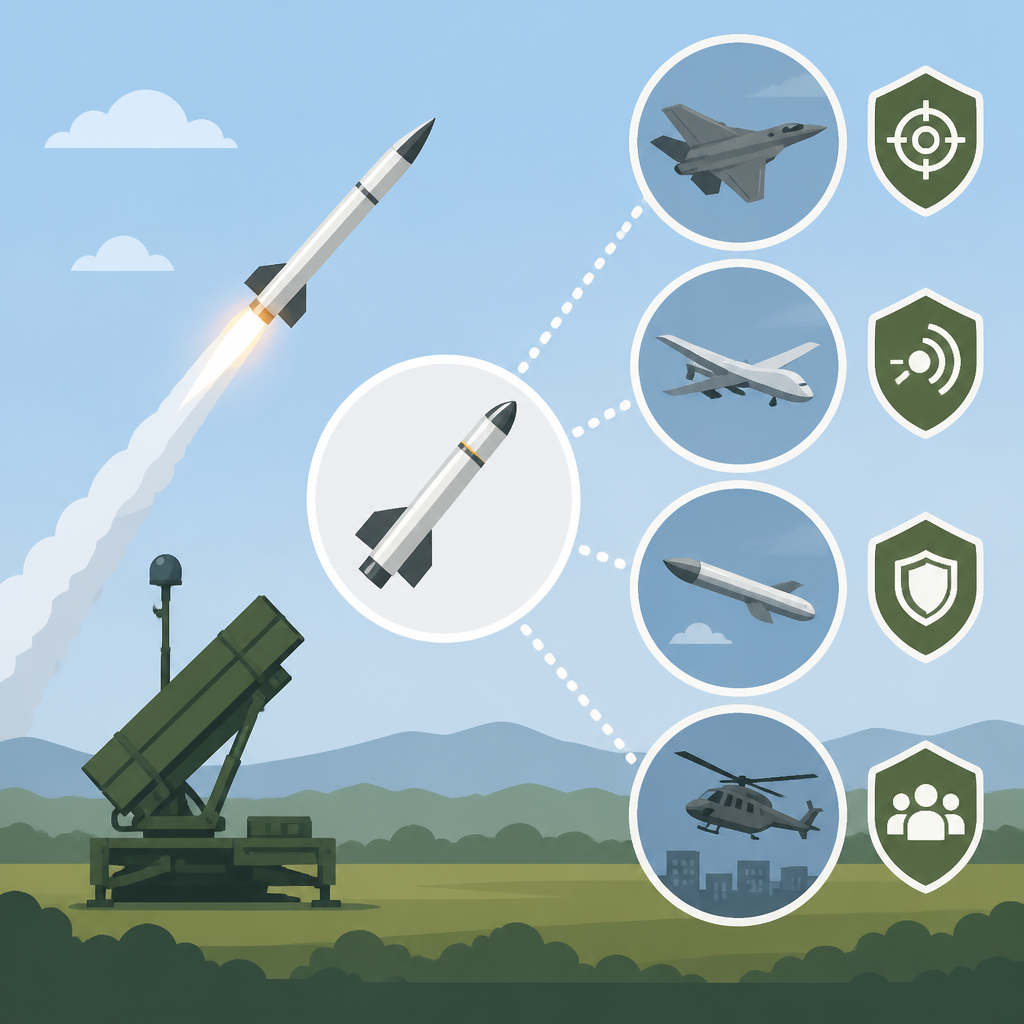
That criticism is valid, but it misses the purpose of the system. Mistral is not supposed to win the whole air war. It is supposed to close the last hole in the umbrella. In a world of cheap drones, saturation attacks, and low-signature threats, the last kilometer is often the one that matters most. A layered defense that lacks a mobile, responsive terminal layer is incomplete by design, and Mistral fills that gap better than many heavier systems that are slower, more expensive, and less adaptable.
What to do with this
If you are an engineer, PM, or founder working in defense, stop optimizing air defense as if range alone determines value. Build for deployment speed, sensor fusion, countermeasure resistance, and multi-platform integration. The winning product is the one that can be mounted, networked, and fired in the same operational window that a drone or helicopter gives you to react. Mistral’s lesson is simple: the future of air defense belongs to systems that are mobile, modular, and useful at the edge.
// Related Articles
- [IND]
Korea’s Nvidia talks point to an AI factory push
- [IND]
OpenAI should not rush its IPO just to win the AI race
- [IND]
OpenAI updates its Europe privacy policy
- [IND]
OpenAI is right to keep ads out of sensitive chats
- [IND]
AI bootlegs are already draining streaming royalties
- [IND]
AMD and Microsoft push Windows ML on GPU and NPU