Why agentic AI workflows beat chatbots for business in 2026
Agentic AI workflows are the right way for businesses to deploy AI in 2026.

Agentic AI workflows are the right way for businesses to deploy AI in 2026.
Businesses should stop buying chatbots and start deploying agentic AI workflows, because real value comes from completing work across tools, not from generating better text.
The evidence is already visible in the way teams actually work. A support rep does not need a prettier answer box; they need a system that can read a ticket, check order history, draft a response, flag a refund policy, and hand the case back for review. A marketer does not need another prompt toy; they need a flow that can take a product URL, generate a draft asset, edit captions, export the file, and publish it. That is the shift Pippit’s own product framing points to, and it is the right one: AI belongs inside a process, not beside it.
Agentic AI wins because it removes handoffs
Get the latest AI news in your inbox
Weekly picks of model releases, tools, and deep dives — no spam, unsubscribe anytime.
No spam. Unsubscribe at any time.
The first reason to back agentic workflows is simple: handoffs are where time dies. In the old model, AI gave you a draft and humans carried the rest. Copy moved into design tools, tickets moved into CRMs, and videos moved into editing apps. Every transfer added delay, context loss, and another place for error. A workflow that can move from input to review to output inside one system cuts out that waste.
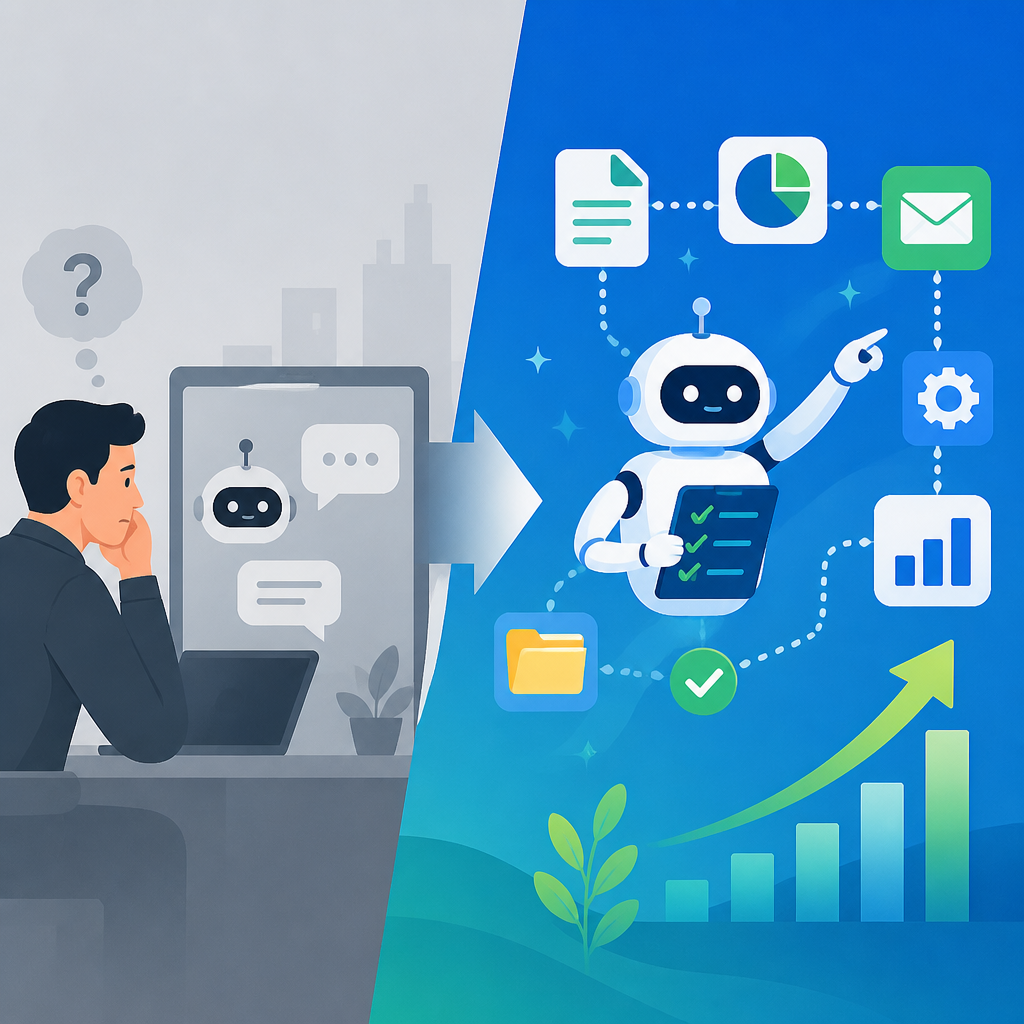
That matters most in operational teams. Customer service, for example, is not a writing problem. It is a routing, lookup, response, and escalation problem. If an agent can summarize the issue, fetch the order, propose a reply, and escalate edge cases, the team gets speed without surrendering judgment. The business win is not “AI wrote something.” The win is that the case actually moved forward.
Agentic AI is better than automation because it understands context
Automation is useful, but it is brittle. A rule-based system can send an email when a form is submitted or post content on a schedule. It cannot read a messy customer message, infer intent, or decide whether a case deserves escalation. Agentic workflows are different because they combine rules with limited decision-making and tool use. That is the gap businesses need filled.
Consider security triage. A basic automation can open a ticket when an alert fires. An agentic workflow can read the alert, compare it with historical context, summarize the risk, and route it to the right analyst with supporting evidence. That is not a cosmetic upgrade. It is a safer, more useful operating model because it turns raw signals into action. The same logic applies to coding review, finance ops, and internal reporting.
The right workflow still keeps humans in control
The strongest argument against agentic AI is that it sounds like a permission slip for machines to run wild. That fear is justified if companies deploy these systems carelessly. An AI agent with access to files, tools, and customer data can create a compliance mess if no one defines boundaries. But that is not a reason to reject the model. It is a reason to design it properly.
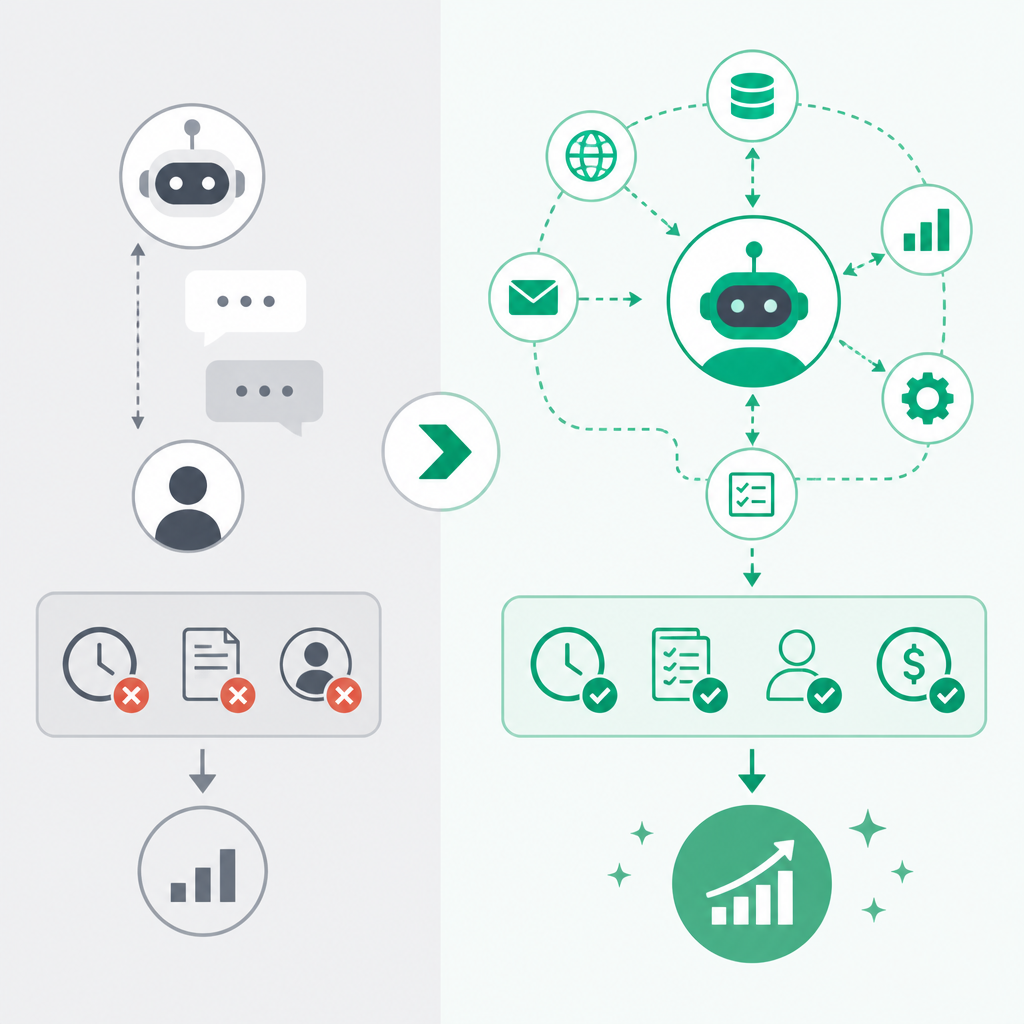
Good agentic workflows do not replace approval. They make approval more efficient. A support workflow can draft and escalate, but a human signs off on refunds. A creative workflow can generate and assemble a video, but a person reviews brand fit. A coding workflow can propose a patch, but a maintainer approves the merge. The workflow is valuable precisely because it preserves control while reducing the amount of manual glue work around the task.
The counter-argument
There is a serious case for staying conservative. Many vendors use “agent” as marketing paint on top of simple scripts, and businesses get burned when they buy hype instead of capability. The word sounds advanced, but the product may only follow fixed rules, lack real context awareness, and break the moment inputs get messy. In that sense, the skepticism is healthy: companies should not confuse a workflow label with actual intelligence.
There is also a process argument against rushing in. If a company’s underlying operations are disorganized, AI will not fix them. It will accelerate the chaos. Bad data produces bad outputs, and weak governance turns useful tooling into a risk. That critique is correct.
Still, the rebuttal is stronger: the answer is not to avoid agentic workflows, but to demand narrower scope, clearer permissions, and measurable outcomes. Businesses already know how to manage software that touches sensitive systems. They set roles, logs, approvals, and escalation paths. Agentic AI should be held to the same standard. If a vendor cannot show where the workflow starts, what tools it can access, when it stops, and who reviews the result, it is not a real business system. It is branding.
What to do with this
If you are an engineer, PM, or founder, stop evaluating AI by how fluent it sounds and start evaluating it by how much work it moves. Map one painful workflow end to end, identify the handoffs, define the human approval points, and choose tools that can connect context, actions, and review inside the same flow. That is the deployment model that will matter in 2026: not chat for its own sake, but AI that gets real work across the finish line.
// Related Articles
- [IND]
OpenAI should not rush its IPO just to win the AI race
- [IND]
OpenAI updates its Europe privacy policy
- [IND]
OpenAI is right to keep ads out of sensitive chats
- [IND]
AI bootlegs are already draining streaming royalties
- [IND]
AMD and Microsoft push Windows ML on GPU and NPU
- [IND]
OpenAI’s IPO filing turns hype into scrutiny