Why AI Agent Workflow Tools Are Winning in 2026
AI agent workflow tools are winning because they complete tasks, not just answer prompts.
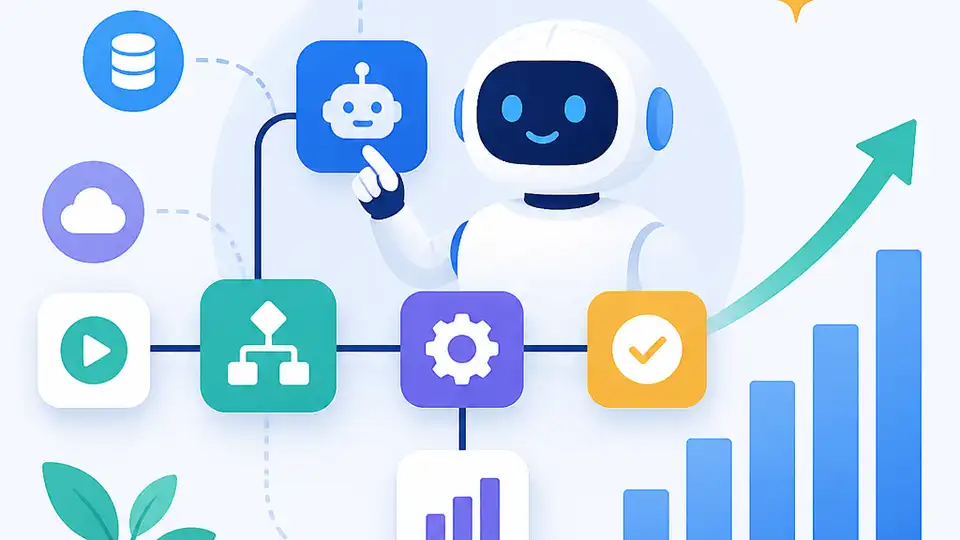
AI agent workflow tools are winning because they complete tasks, not just answer prompts.
AI agent workflow tools are not a nice-to-have layer on top of chat, they are the new operating system for delegated work.
The clearest proof is in the gap between a good answer and a finished job. A single prompt can draft a quote, summarize a contract, or suggest a support reply, but it still leaves the human to move data between systems, check state, and push the work over the line. In 2026, the tools that matter most are the ones that chain decisions, tool calls, and exceptions until the task is done. That is why products like Outlit, Celonis, and Moveworks are getting attention: they do not stop at insight. They drive execution across CRM, Slack, ERP, and document systems, which is where real operational value lives.
First, the market has moved past chat and into execution
Get the latest AI news in your inbox
Weekly picks of model releases, tools, and deep dives — no spam, unsubscribe anytime.
No spam. Unsubscribe at any time.
The first reason to take workflow agents seriously is that they solve a problem chat interfaces never could: stateful work. A sales team does not need another paragraph about a deal. It needs the quote generated, the terms checked against policy, the contract routed, and the record updated. Outlit is a clean example because it captures sales conversations, Slack messages, and past deal history, then uses that context to generate quotes and deal terms. That is not a clever demo. It is a direct attack on the slowest part of revenue operations, where delay kills conversion and manual handoffs create errors.
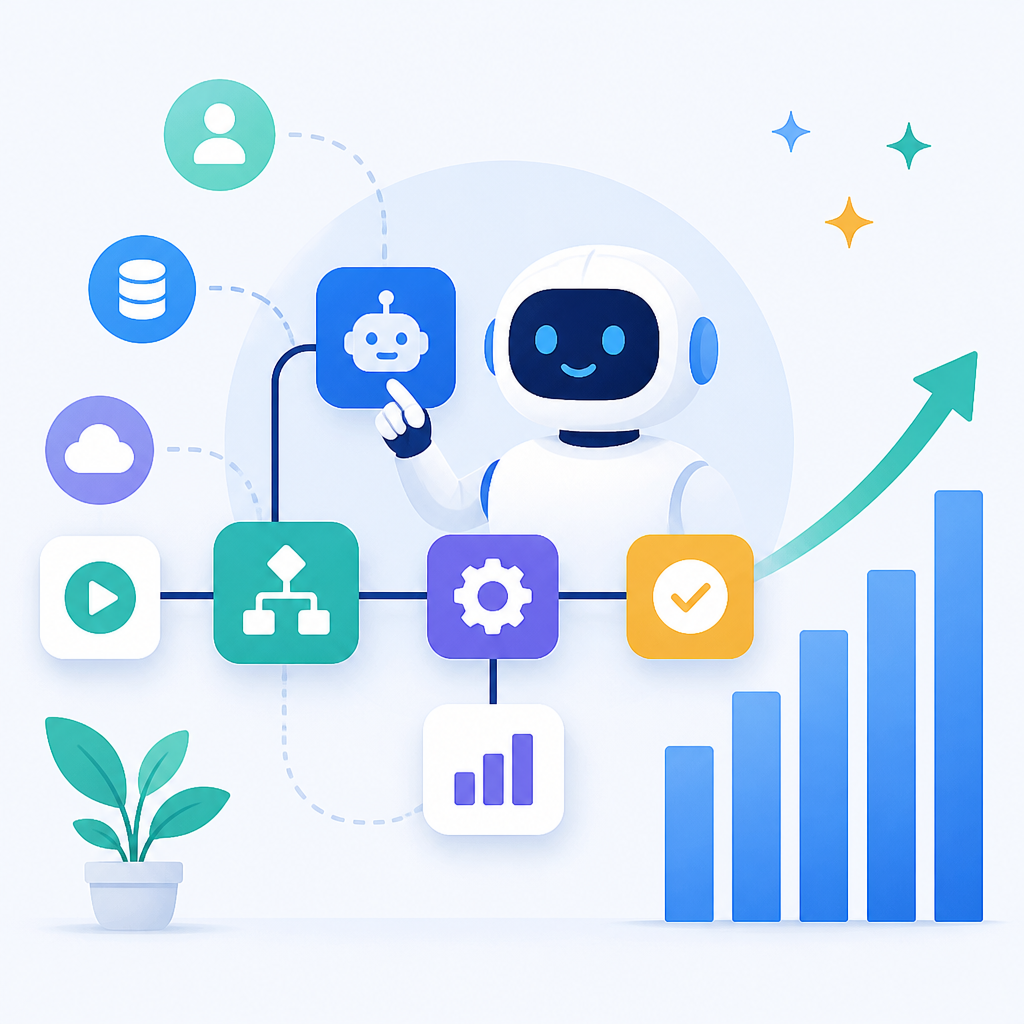
This is why the best tools in the category are not the ones with the flashiest model layer. Celonis is valuable because process mining gives agents a digital twin of business operations. That context matters more than raw model intelligence. An agent that knows where a workflow usually breaks, which system owns the source of truth, and what the exception path looks like can actually act safely. Without that context, an agent is just an expensive autocomplete with a tool call attached.
Second, the real divide is not model quality, it is deployment control
The market is splitting along infrastructure lines, and that split matters more than branding. Managed tools like Lindy, Relevance AI, and Bardeen are built for speed. They help non-technical teams stand up agents fast, connect to email or Slack, and automate repetitive work without waiting on engineering. That is useful, but it is only half the market. The other half wants self-hosting, source access, and data control. n8n and Mastra serve that buyer, and they do it for a reason: regulated teams will not hand core workflows and sensitive data to a black box SaaS layer.
Look at the adoption logic in finance, legal, and healthcare. Hebbia succeeds because it is built for audit trails and document-heavy analysis where precision is non-negotiable. That same requirement pushes teams toward tools they can inspect, extend, and govern. The technical buyer is not choosing open source because it is fashionable. They are choosing it because workflow agents become part of the system of record. Once an agent can draft, route, approve, or deploy, the cost of losing control is too high to ignore.
The counter-argument
The strongest objection is simple: most companies do not need autonomous agents, they need better automation. Traditional workflow tools already handle routing, approvals, and integrations, and adding AI can introduce failure modes that are hard to predict. A brittle agent can misread context, call the wrong API, or create a mess that a deterministic workflow would never have made. For many operations teams, the safest path is still fixed rules, human approval, and narrow automation. That critique is fair, and it explains why many agent projects die in pilot.
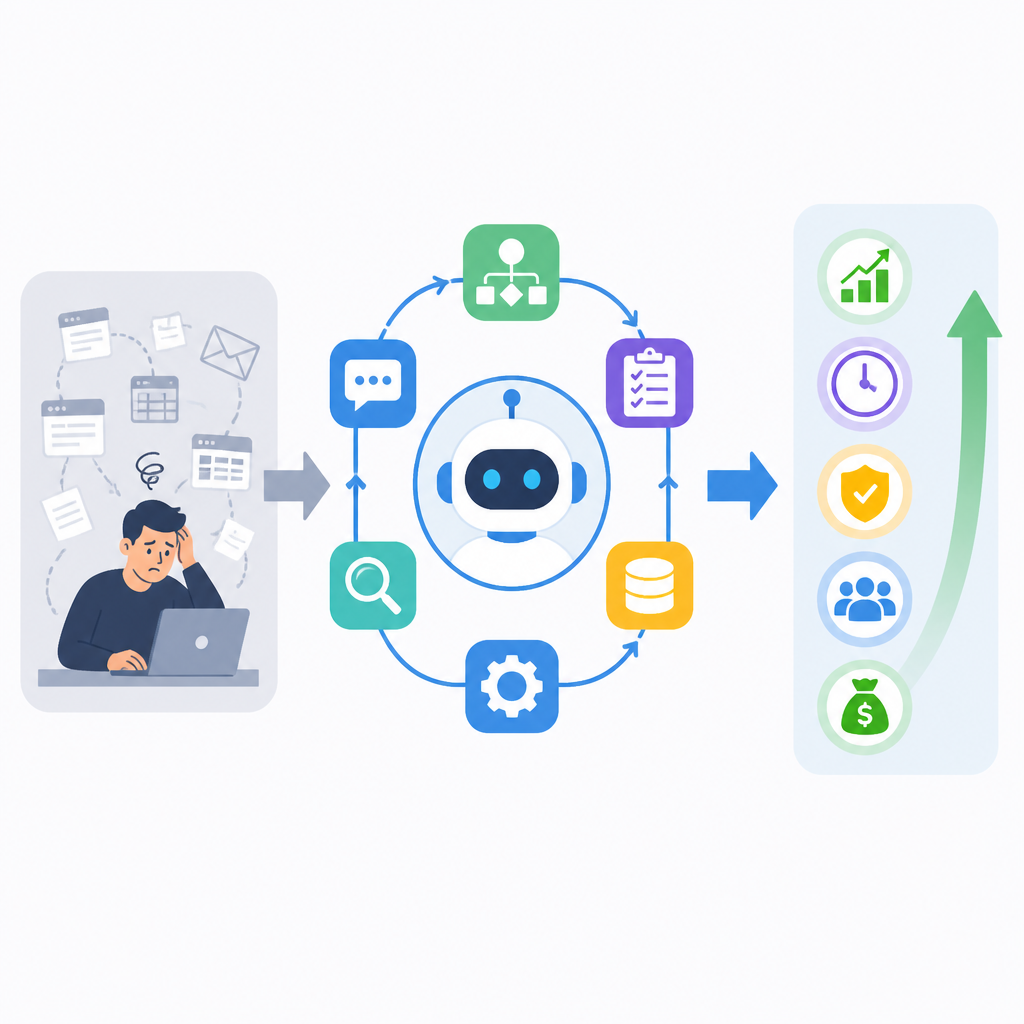
But that critique stops at the wrong layer. The point is not to replace every workflow with autonomy. The point is to use agents where judgment, context, and branching decisions dominate the work. Quote generation, inbox triage, deal desk support, document analysis, and internal service requests are not fixed-rule problems. They are context-heavy problems with too many exceptions for rigid automation to scale cleanly. The right answer is not less agentic software. It is better guardrails, better context, and narrower scopes.
What to do with this
If you are an engineer, PM, or founder, stop evaluating agent tools like they are generic AI products. Start with the task, then ask whether the tool can preserve state, call external systems reliably, and prove what happened afterward. If you build for regulated or operationally sensitive teams, prioritize auditability, self-hosting, and deterministic fallbacks. If you build for SMBs, optimize for speed to deployment and low setup friction. The winners in 2026 will not be the tools with the best demos. They will be the ones that finish work safely, repeatedly, and inside the systems companies already trust.
// Related Articles
- [IND]
Korea’s Nvidia talks point to an AI factory push
- [IND]
OpenAI should not rush its IPO just to win the AI race
- [IND]
OpenAI updates its Europe privacy policy
- [IND]
OpenAI is right to keep ads out of sensitive chats
- [IND]
AI bootlegs are already draining streaming royalties
- [IND]
AMD and Microsoft push Windows ML on GPU and NPU