Why the LA County Fair is a better event when it plans like a theme p…
The LA County Fair works best when it behaves like a cashless, ticketed theme park, not a casual stroll-through fair.
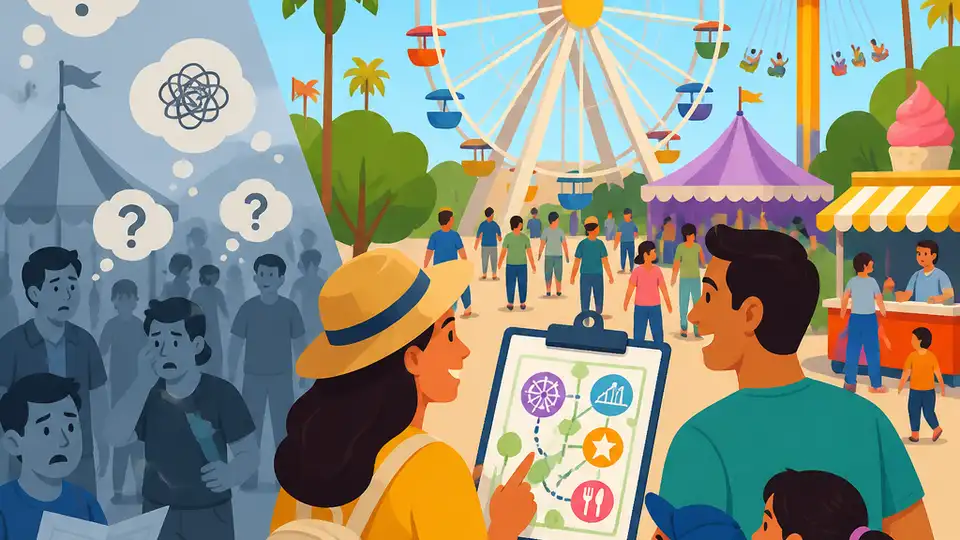
The LA County Fair works best when it behaves like a cashless, ticketed theme park, not a casual stroll-through fair.
The 2026 Los Angeles County Fair is proving that the modern county fair is no longer a loose collection of rides and fried food. It is a planned, timed, cashless, high-throughput event, and that is the right model. The Fairplex in Pomona is charging ahead with online ticketing, separate parking tiers, wristbands, concert windows, and a schedule that pushes visitors to think ahead before they arrive.
The first argument: planning beats spontaneity
Get the latest AI news in your inbox
Weekly picks of model releases, tools, and deep dives — no spam, unsubscribe anytime.
No spam. Unsubscribe at any time.
The fair’s pricing makes the case immediately. Admission starts at $18 online or $32 at the gate, parking starts at $22.50 online or $26 at the gate, and a season parking pass runs $86.50. That is not a nostalgia tax. It is a clear signal that the fair rewards preparation and punishes casual arrival. For a sprawling 500-acre event that runs across multiple weekends, that structure is rational. It reduces gate chaos, smooths traffic, and gives the organizers the leverage to manage demand instead of being crushed by it.
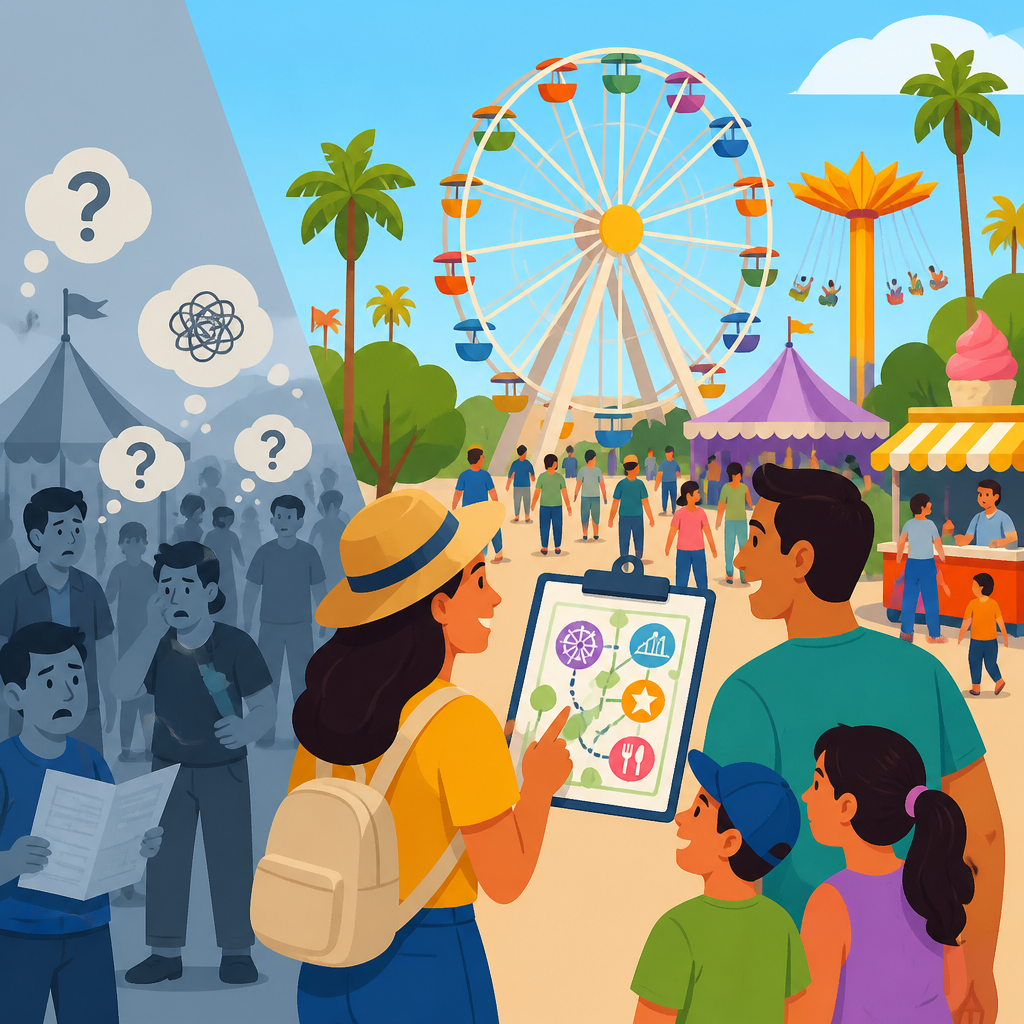
The same logic applies to the concert series and special events. Concert tickets are sold separately, but they include same-day admission, and organizers tell guests to arrive at least three hours early. That is the language of a venue that knows its scale and respects it. If you want a fair that can host rides, livestock, food vendors, and live music without collapsing into bottlenecks, you need firm rules around entry, parking, and timing. The alternative is long lines, missed shows, and a bad day for everyone.
The second argument: the best fairs are now experience platforms
The strongest sign of health here is not the number of rides, although 70 rides and 30 game booths are nothing to shrug at. It is the way the fair is layering experiences on top of the midway. New attractions like Sound Storm and Air Raid sit alongside petting zoos, barnyard races, and the Budweiser Clydesdales. That mix matters because it keeps the fair from becoming a one-note carnival. It gives repeat visitors a reason to come back and first-timers a reason to stay longer than one lap around the grounds.
The food lineup tells the same story. Funnel cake and corn in a cup still anchor the menu, but the fair is also pushing pickle pizza, spam wonton tacos, fried mangonada, and watermelon with fruit roll-up, chamoy, and tajin. That is not gimmickry for its own sake. It is a recognition that fairgoers want novelty, shareable moments, and food that feels like part of the event rather than a concession after the fact. The new pirate-themed play area and the “Cutest Dog Show on Earth” show the same instinct: create reasons for different age groups to stay on site, spend time, and build a day around the fair instead of treating it as a quick errand.
The counter-argument
The best objection is simple: a fair should feel accessible, not optimized. Once you add online-only bargains, cashless parking, separate concert tickets, wristbands, and timed arrival advice, you risk turning a public tradition into an exercise in logistics. Some visitors want the old fair experience, where you show up, wander in, spend what you have, and decide the rest as you go. There is real value in that openness, especially for families who do not want to budget every move before they leave home.
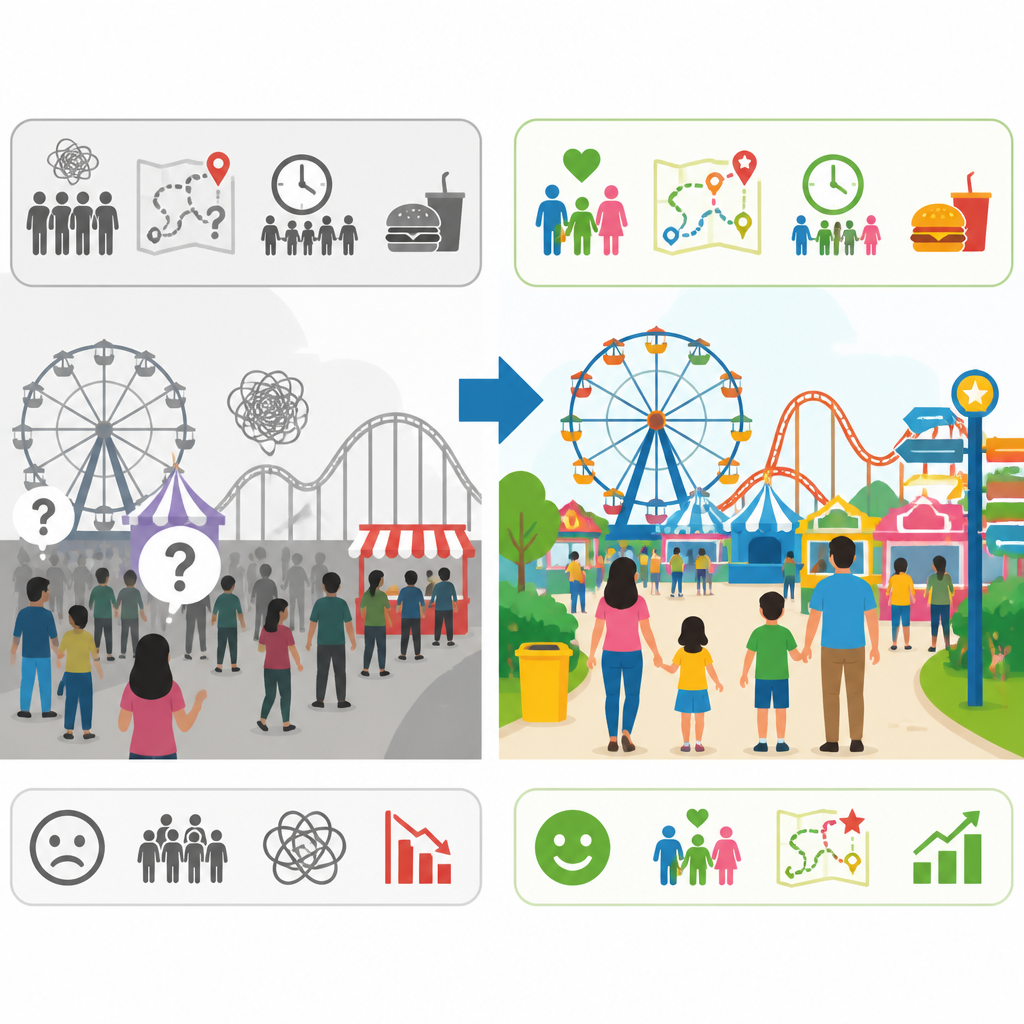
That critique is fair, and it identifies a real tradeoff. But the answer is not to abandon planning. The answer is to make planning visible and simple. The fair is too large, too crowded, and too layered to run on improvisation. Cashless parking and advance ticketing are not barriers; they are the price of keeping the event usable. If organizers want the fair to remain a mass gathering instead of a frustrating bottleneck, they have to choose operational clarity over romantic disorder.
What to do with this
If you are an engineer, product manager, or founder, treat the LA County Fair as a model for any high-traffic experience: design for throughput, not just delight. Put the pricing, timing, and access rules in front of users early. Separate the core experience from premium add-ons. Make the default path obvious, and make the expensive mistakes hard to make. The fair is showing that scale does not kill charm; bad operations do.
// Related Articles
- [IND]
Korea’s Nvidia talks point to an AI factory push
- [IND]
OpenAI should not rush its IPO just to win the AI race
- [IND]
OpenAI updates its Europe privacy policy
- [IND]
OpenAI is right to keep ads out of sensitive chats
- [IND]
AI bootlegs are already draining streaming royalties
- [IND]
AMD and Microsoft push Windows ML on GPU and NPU