4 implications of Anthropic buying Stainless
4 implications of Anthropic buying Stainless, the SDK tool used by OpenAI and Google, and what it means for AI dev tooling.

Anthropic bought Stainless, a tool used to generate AI SDKs and API docs.
Anthropic has acquired Stainless, a startup founded by former Stripe engineer Alex Rattray, in a move that puts a widely used SDK generation tool under one AI lab’s control. The deal’s terms were not disclosed, but the purchase matters because Stainless software has been used by competitors including OpenAI and Google.
1. Anthropic gets a developer-facing distribution layer
Get the latest AI news in your inbox
Weekly picks of model releases, tools, and deep dives — no spam, unsubscribe anytime.
No spam. Unsubscribe at any time.
Stainless is not a consumer app or a model benchmark. It is infrastructure for how API products are packaged, documented, and shipped to developers. That makes the acquisition more strategic than flashy: Anthropic is buying a tool that can shape how people first experience an AI platform.

For a company selling AI models, control over SDK generation and docs can reduce friction for developers and speed up integrations. It also gives Anthropic more influence over the quality and consistency of the software experience around its own APIs.
- Helps generate SDKs across multiple languages
- Supports API documentation workflows
- Can reduce manual maintenance for developer portals
2. OpenAI and Google lose a shared tool
The most notable part of the deal is that Stainless was already used by rivals. When a vendor sits inside the toolchain of multiple AI labs, an acquisition can change access, priorities, and future product direction. Even if current customers keep using the software, the ownership shift matters.
For OpenAI and Google, the question is not just whether Stainless keeps working. It is whether a competitor now controls a piece of their developer stack, and whether that affects roadmap decisions or support quality over time.
- Potential changes in pricing or licensing
- Possible shift in feature priorities
- Long-term supply-chain risk for SDK tooling
3. The deal signals how valuable AI tooling has become
This acquisition is a reminder that AI competition is not only about model weights, inference speed, or benchmark scores. The plumbing around models is becoming valuable too. Tools that make APIs easier to adopt can be worth buying because they affect developer retention and product reach.
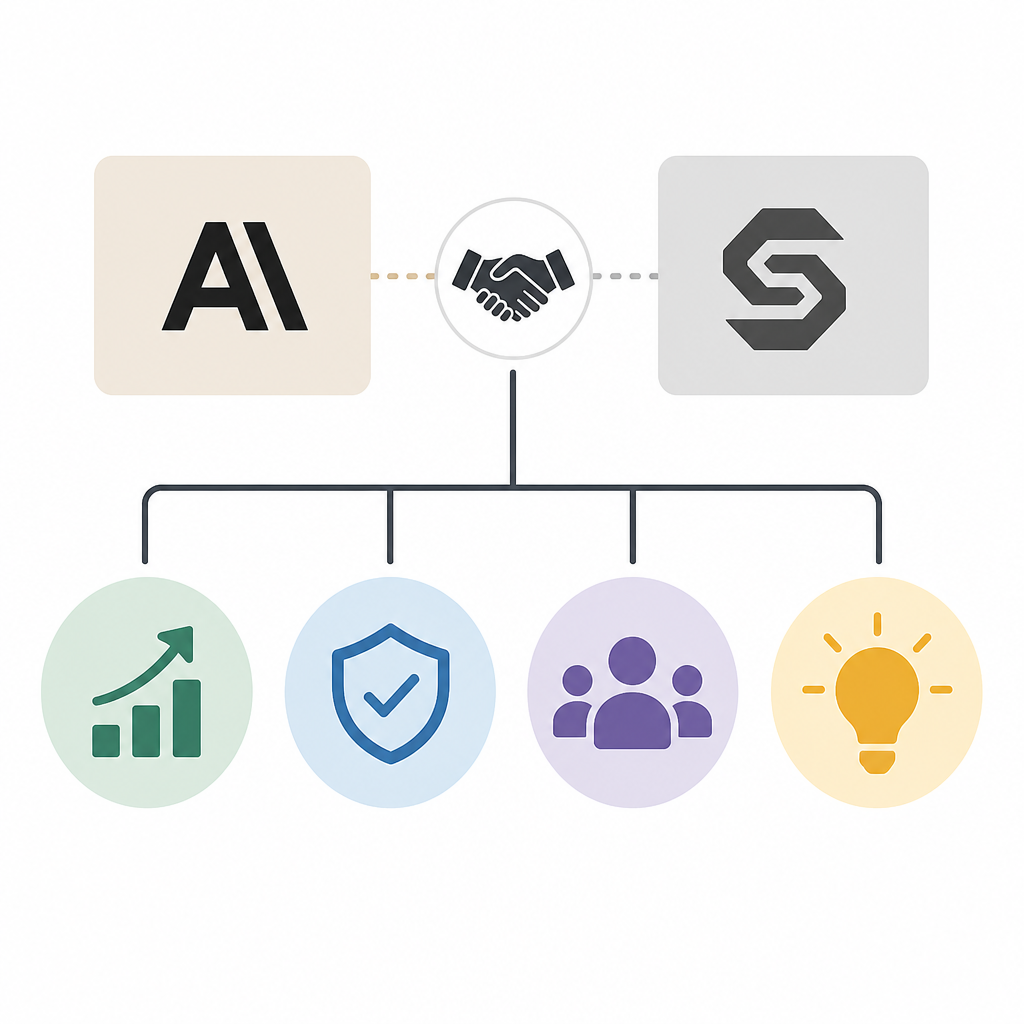
Stainless sits in a category where small teams can become strategic targets fast. If a startup becomes embedded in the workflows of major labs, its value can rise well beyond its size. That is especially true in AI, where the developer experience can decide whether a platform gets used at all.
- API SDK generation
- Docs and client library maintenance
- Developer onboarding workflows
4. It may pressure other labs to build or buy similar tools
Once one major AI company acquires a shared infrastructure vendor, others may rethink their own stack. They can keep relying on third-party tooling, build in-house alternatives, or look for acquisitions of their own. Each option has tradeoffs in speed, control, and cost.
For the market, this can accelerate consolidation around the developer layer of AI products. Labs that want tighter control over their API experience may decide that owning the tooling is safer than depending on a supplier that also works with rivals.
- Build in-house SDK tooling
- Acquire a smaller developer-tools startup
- Keep third-party tooling but diversify vendors
How to decide what this means
If you track AI competition at the model layer, this deal is a reminder to watch the developer layer too. Anthropic is not just buying code generation software. It is buying a point of control over how APIs are introduced, maintained, and scaled.
For builders, the practical takeaway is simple: the tools around AI models can become as strategic as the models themselves. If you depend on a shared vendor for SDKs or docs, ownership changes can matter more than they first appear.
// Related Articles
- [IND]
Gemini lands inside Apple’s developer stack
- [IND]
Five AI coding IDEs that fit real workflows
- [IND]
Devin Desktop turns Windsurf into an agent hub
- [IND]
Korea’s Nvidia talks point to an AI factory push
- [IND]
OpenAI should not rush its IPO just to win the AI race
- [IND]
OpenAI updates its Europe privacy policy