AI’s real bottleneck is power, not chips
Big Tech’s AI race is now constrained by electricity and grid buildout, not model demand.

Big Tech’s AI race is now constrained by electricity and grid buildout, not model demand.
AI is no longer being limited by ambition or capital; it is being limited by electricity, and that makes power the decisive battleground for the next phase of the industry.
The clearest evidence is the White House pledge from Microsoft, Google, Amazon, Meta, OpenAI, Oracle, and xAI to pay for every megawatt their AI projects consume, plus the grid upgrades those projects need. That is not a symbolic promise. It is an admission that the usual bottleneck is gone and a harder one has taken its place: the physical ability to deliver enough power, fast enough, to keep data centers running.
First argument: AI demand has outrun the grid
Get the latest AI news in your inbox
Weekly picks of model releases, tools, and deep dives — no spam, unsubscribe anytime.
No spam. Unsubscribe at any time.
AI infrastructure spending shows how serious the demand side has become. The five biggest AI infrastructure providers plan to spend roughly $660 billion to $690 billion on capex in 2026 alone. That scale is not being directed at consumer apps or marketing. It is going into servers, cooling, substations, transmission, and the electricity supply needed to keep those assets productive.
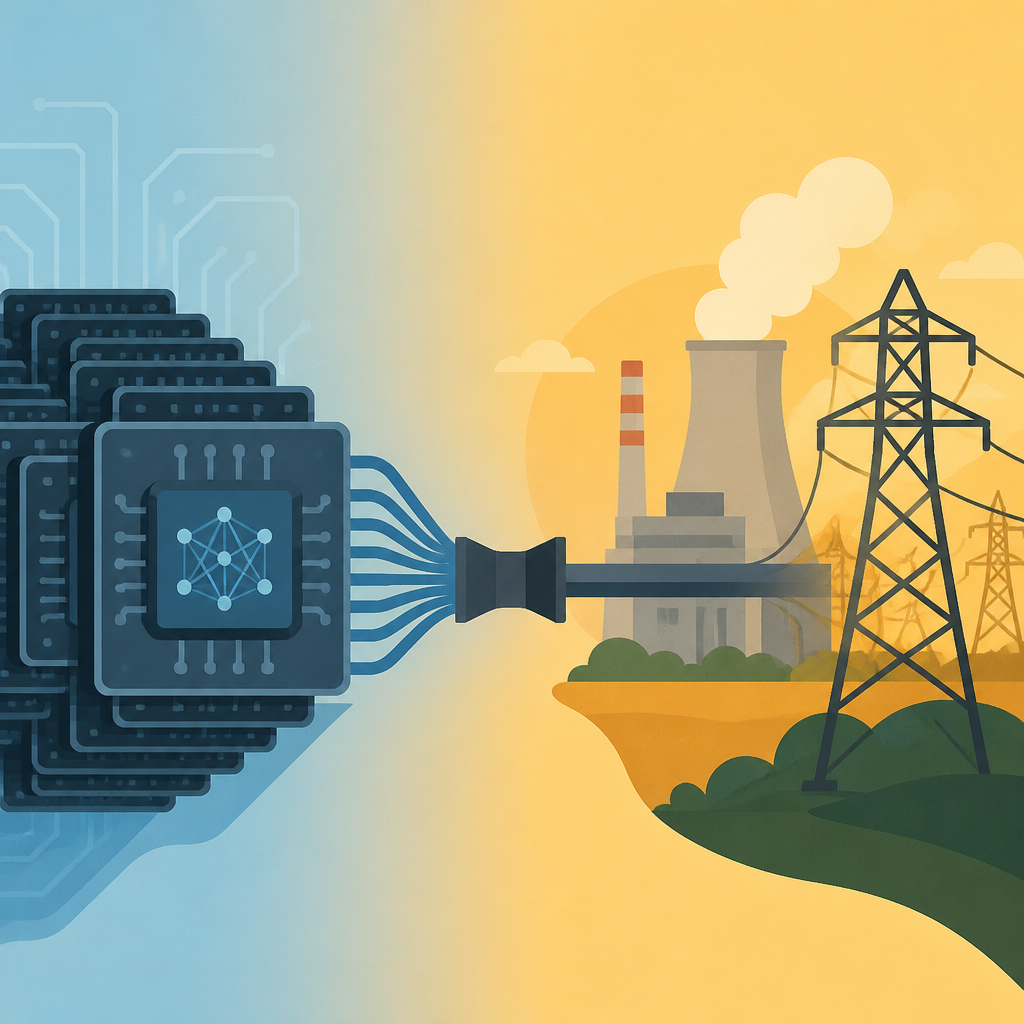
But money does not create megawatts on command. A new utility-scale power plant can take five to ten years from approval to operation, and nuclear takes even longer. Microsoft’s Three Mile Island restart is not expected to deliver until 2027 at the earliest, while Google’s first Kairos reactor is not expected online until 2030. The industry has already spent its way into a timeline problem, and the timeline problem is now the story.
Second argument: the power advantage is becoming a moat
Once electricity becomes the scarce input, the winners are not the companies with the loudest AI strategy decks. The winners are the operators that already secured cheap, abundant power before the market woke up. That is why sites with locked-in access to low-cost hydro, direct grid connections, or preapproved capacity are suddenly more valuable than many software-first AI bets.
Bitzero is a useful example because it illustrates the new logic of the market. The company says its Norway site draws 100% renewable hydro at 3 to 4 cents per kilowatt-hour, and it has already signed a 15-year lease with OneQode for the full 110 megawatts there. Norway has since capped new data center projects at five megawatts, which means the window for building at that scale has effectively closed. In AI infrastructure, the scarce asset is no longer the model. It is the power contract.
The counter-argument
The strongest objection is that this is all temporary. Data centers can be optimized, chips can become more efficient, and utilities can eventually build the transmission and generation needed to catch up. On that reading, the current scramble for power is just a transitional phase before the market normalizes. Investors who focus on electricity today may be chasing a short-lived shortage.
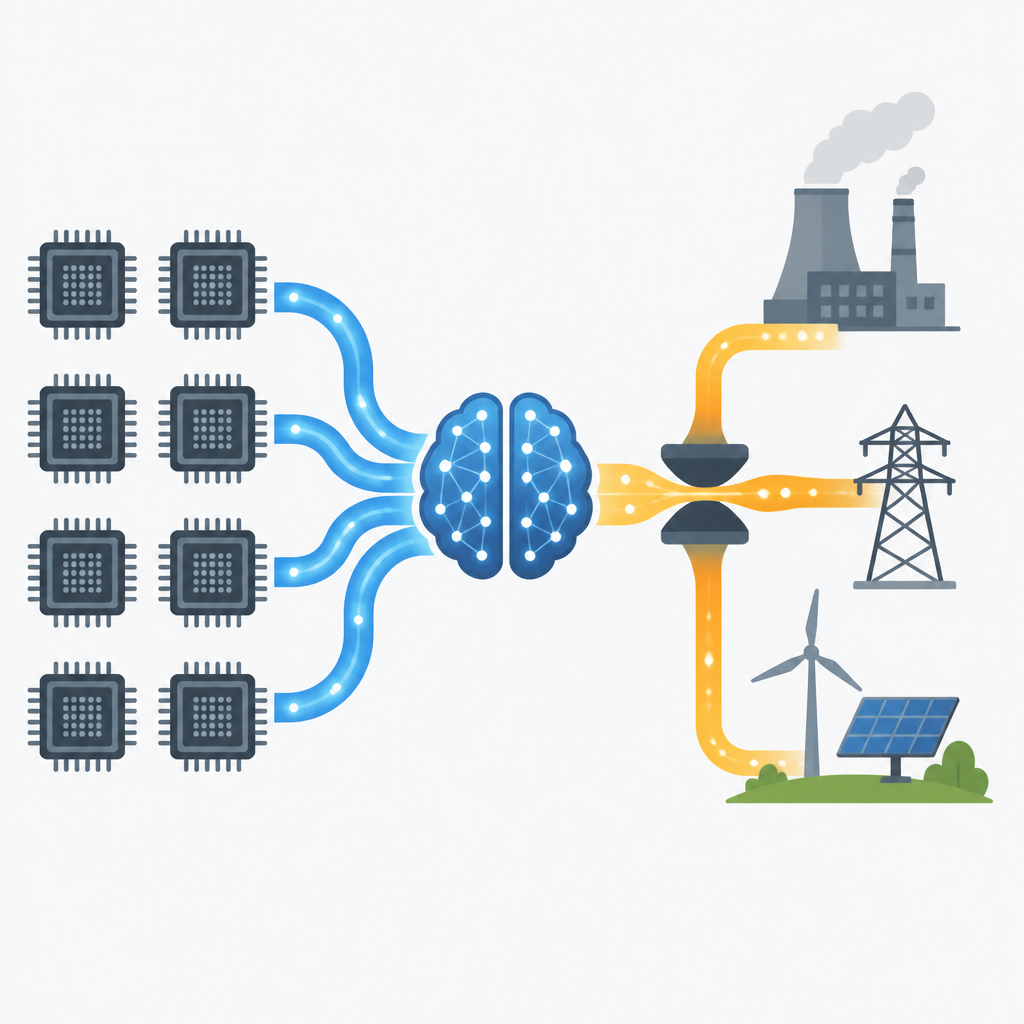
That argument has merit, because efficiency gains are real and grid expansion does happen. It is also true that some AI workloads will shift to smaller models or better scheduling. But the rebuttal is simple: the shortage is not temporary for the companies making decisions now. Their deployment windows are measured in quarters and years, while new generation is measured in half-decades. A bottleneck that lasts longer than a product cycle is not a footnote. It is the market.
What to do with this
Engineers, PMs, and founders should stop treating power as a facilities issue and start treating it as a core product constraint. If you are building AI infrastructure, choose sites by megawatts, interconnect strength, and energy cost before you choose them by geography or brand name. If you are building AI software, assume your customers will increasingly ask about workload efficiency, inference cost, and where the compute actually runs. And if you are raising capital around AI, make the power plan as explicit as the model roadmap, because the companies that control electricity will set the pace of the next wave.
// Related Articles