Severe Storms Threaten the Central U.S. Tonight
Storms over the Central Plains and Midwest brought golf-ball hail, damaging winds, and overnight severe weather risk on Saturday.
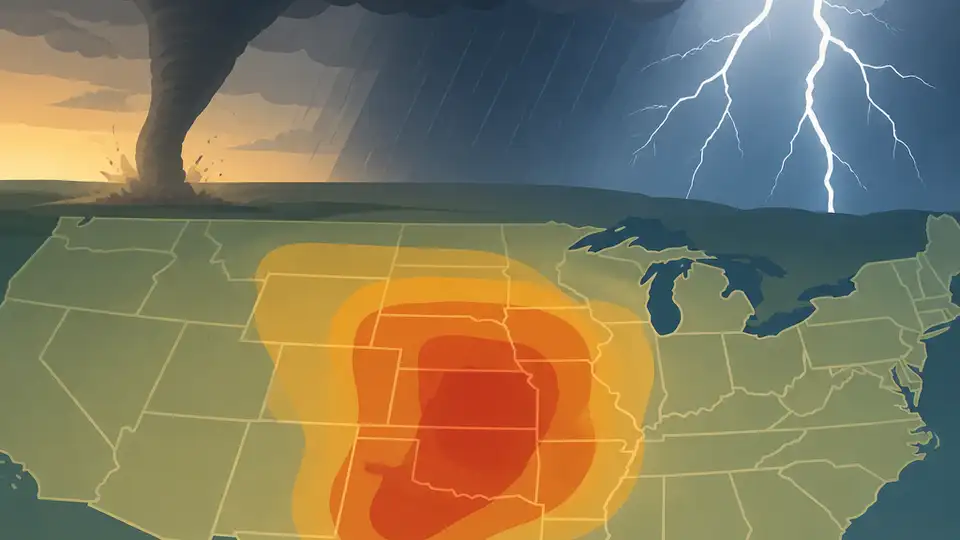
Severe storms hit the Central Plains and Midwest with hail, wind, and lightning on Saturday.
By late afternoon on Saturday, thunderstorms had already formed across parts of southern Iowa, northern Missouri, and western Illinois. Forecasters kept the severe-weather risk in place over the Central Plains and the Midwest through the night, with reports of hail as large as golf balls and winds strong enough to knock over trees.
Where the storms were concentrated
Get the latest AI news in your inbox
Weekly picks of model releases, tools, and deep dives — no spam, unsubscribe anytime.
No spam. Unsubscribe at any time.
The storm zone stretched across a broad swath of the central United States, with the most active weather focused over the Central Plains and the Midwest. The article points to southern Iowa, northern Missouri, and western Illinois as the areas where storms had already produced damaging weather by late afternoon.
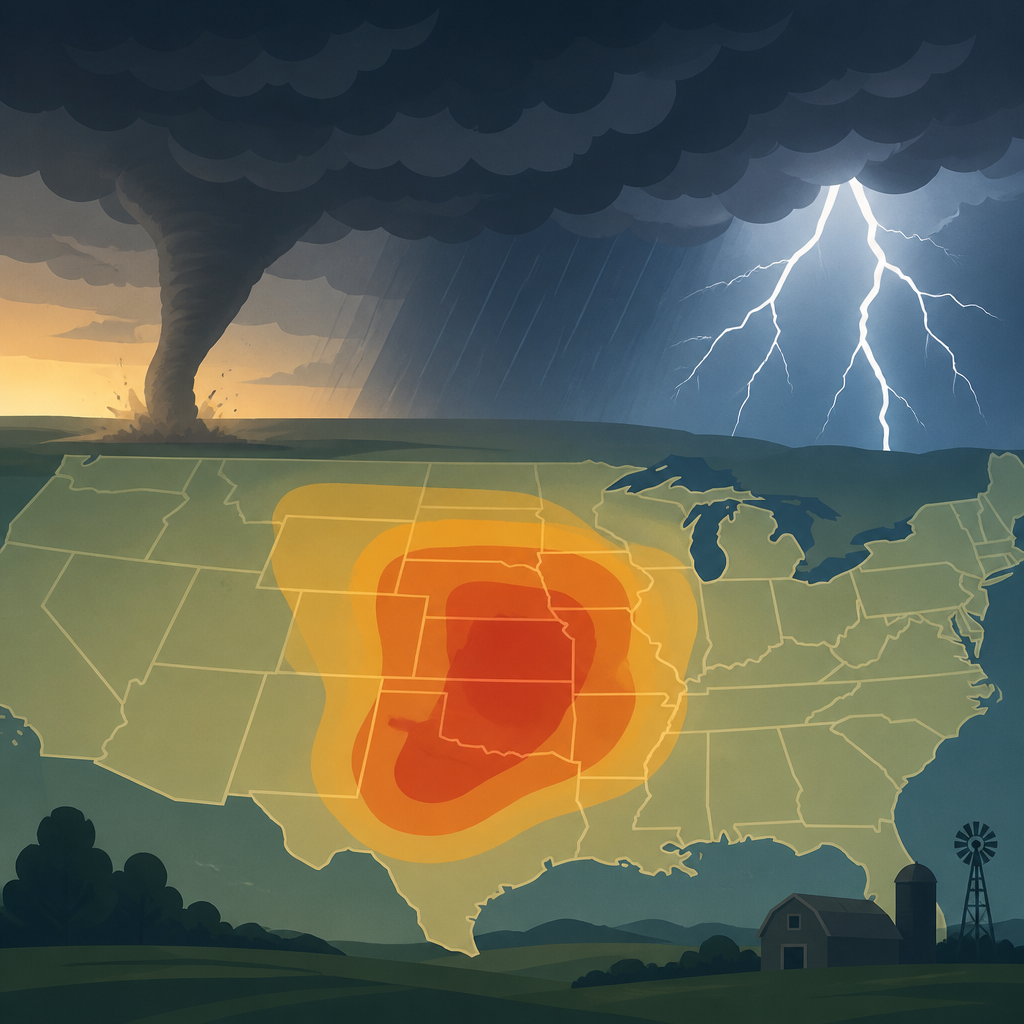
That matters because these storms were not isolated pop-ups. Once storms organize across multiple states, the threat can move fast from one county to the next, especially when hail and wind are already being reported on the ground.
- Southern Iowa saw thunderstorms develop by late afternoon.
- Northern Missouri reported lightning and hail.
- Western Illinois saw damaging wind and fallen trees.
- The severe threat was expected to continue overnight.
What the weather reports actually said
The most concrete reports in the story were hail as large as golf balls and winds that knocked over trees. Those are the kinds of details that turn a routine thunderstorm into a serious local hazard, especially for drivers, outdoor events, and power lines.
For context, the National Weather Service warns that hail can damage cars, roofs, and crops, while strong thunderstorm winds can bring down branches and utility lines. The forecast here was not about one quick burst of weather. It was about a long window of risk that stretched into the night.
“Severe thunderstorms and tornadoes are possible in parts of the central and southern Plains this evening and overnight,” the Storm Prediction Center said in its outlook.
That outlook fits the pattern described in the article: storms forming in the afternoon, then continuing as the atmosphere stayed primed for more severe cells after dark. Nighttime severe weather is especially tricky because people are less likely to see warnings developing in real time.
How this compares with a typical spring storm setup
Spring severe weather in the central U.S. often brings a mix of hail, wind, and tornado risk, but the combination of early development and overnight persistence raises the stakes. When storms begin in the afternoon and remain active after sunset, the window for impact gets longer.
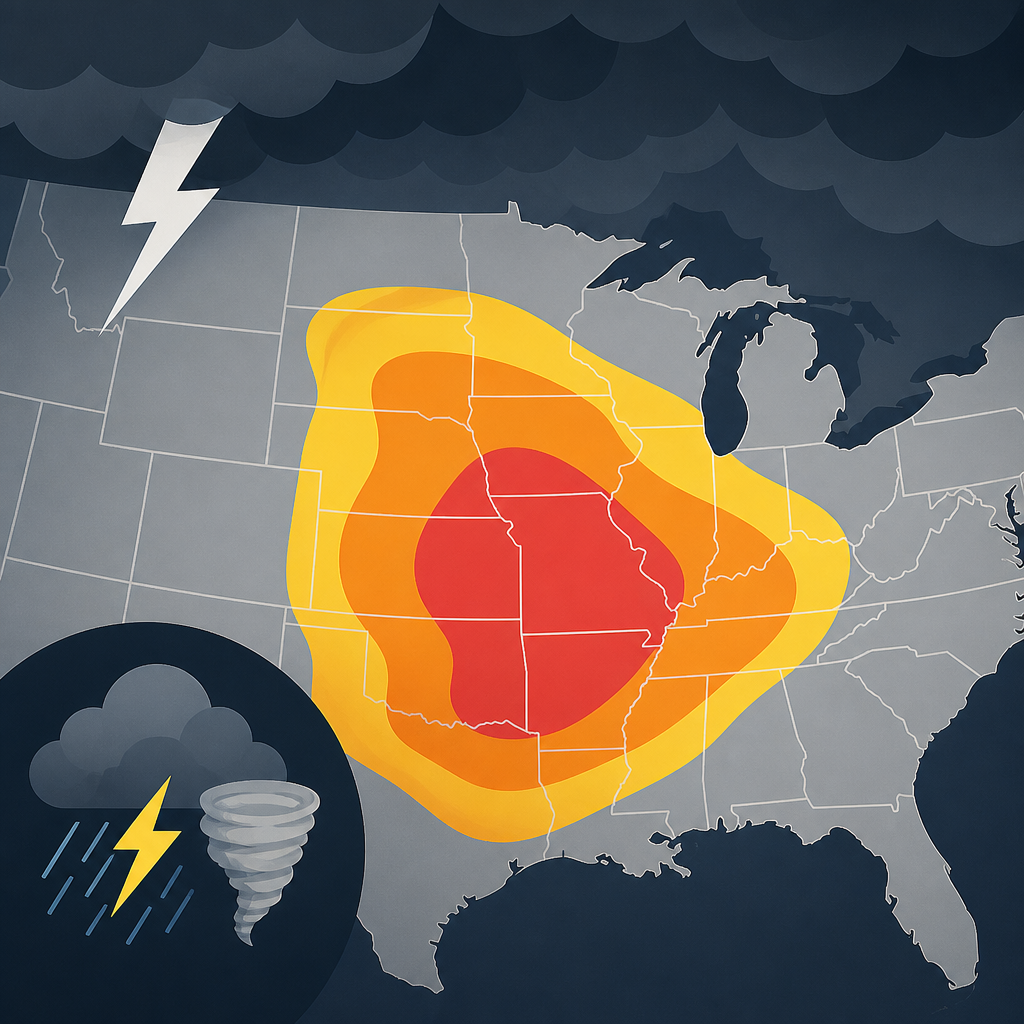
Here is a simple comparison of the hazards named in the report:
| Hazard | What was reported | Why it matters |
|---|---|---|
| Hail | As large as golf balls | Can damage cars, roofs, and crops |
| Wind | Strong enough to knock over trees | Can bring down branches and power lines |
| Lightning | Reported across the storm area | Creates immediate danger outdoors |
| Timing | Expected to continue overnight | Makes warnings harder to notice |
If you live in the region, the practical lesson is simple: don’t treat an afternoon thunderstorm as the end of it. Severe weather can build, shift, and keep going after dark, and the first round of storms can be followed by more intense cells later in the evening.
What to watch next
The article gives a snapshot, not the full storm track, but the direction is clear: the central U.S. was in a severe-weather window that included hail, damaging wind, and overnight risk. The key question is how far east or south the strongest cells travel before the system weakens.
For readers in the affected states, the takeaway is to keep warnings on and check local alerts before traveling, especially if thunderstorms are still active after sunset. If the storm line holds together overnight, the next update could shift from hail and wind reports to more widespread damage assessments by morning.
// Related Articles