Why AI is the only honest bridge for musicians losing mobility
AI should be used to preserve musicianship when illness takes away the ability to perform it directly.
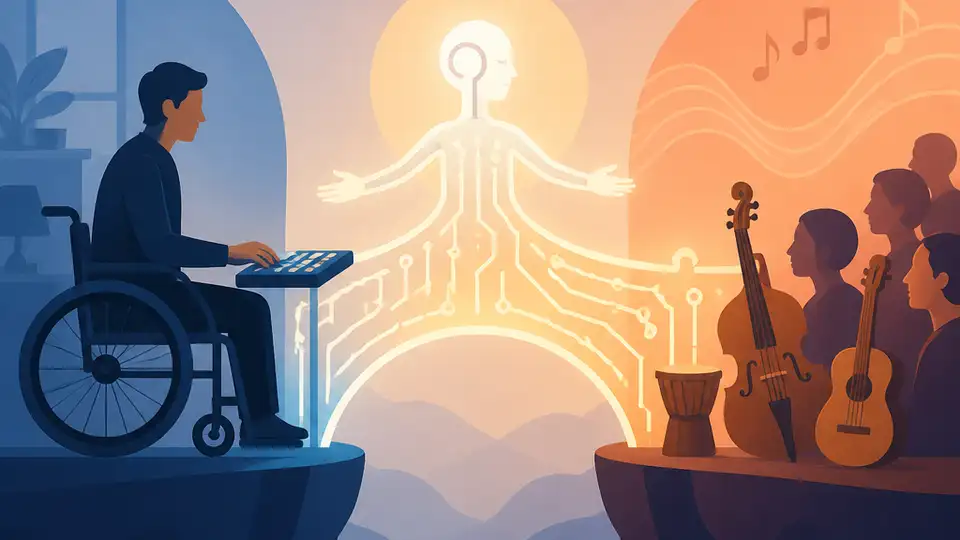
AI is a practical bridge for musicians who lose the physical ability to play.
AI did not replace the musician in this story; it preserved the work of making music after Parkinson’s disease took away much of his ability to play guitar. That distinction matters. The point is not that a machine wrote the album for him. The point is that tools helped him keep working in a craft his body was trying to take away. That is a legitimate use of AI, and one of the clearest reasons to stop treating every creative application of the technology as a threat.
First argument: AI extends agency when the body stops cooperating
Get the latest AI news in your inbox
Weekly picks of model releases, tools, and deep dives — no spam, unsubscribe anytime.
No spam. Unsubscribe at any time.
For a musician with a degenerative disease, the central issue is not novelty. It is continuity. When Parkinson’s makes guitar performance unreliable or impossible, AI becomes a practical accessibility tool, not a gimmick. It lets the artist keep shaping songs, arranging parts, and finishing records in a way that would otherwise disappear with the loss of fine motor control.
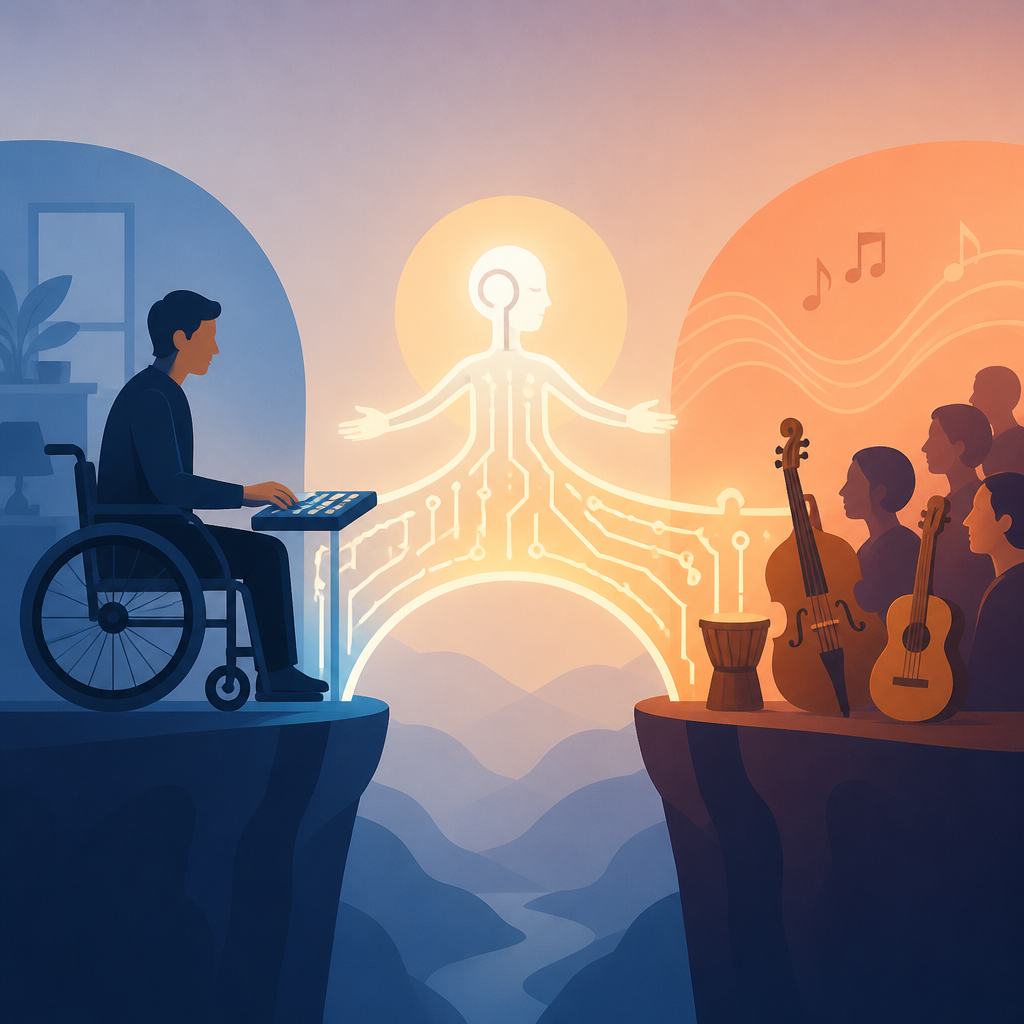
This is the same moral logic behind other assistive technologies. A wheelchair does not “cheat” walking. Speech-to-text does not “cheat” writing. In the same way, AI can function as a creative prosthetic. The value is not that it makes art easier in some abstract sense. The value is that it keeps authorship in the hands of the person who still has the ideas, taste, and intent, even when their body no longer cooperates.
Second argument: the real measure is whether the artist remains the decision-maker
The decisive question is not whether AI touched the process. It is who made the calls. If the musician is choosing the structure, tone, lyrics, and emotional direction, then AI is an instrument in the production chain. That is materially different from handing creative control to a model and calling the output personal expression. In this case, the story points to assistance, not substitution.
Consider what this means for the wider music world. Many artists already depend on tools they do not physically “play” in the traditional sense: drum machines, samplers, digital audio workstations, pitch correction, and studio editing. AI belongs in that lineage when it supports a human’s intent. The line is crossed only when the tool starts dictating the work instead of enabling it. That is a governance problem, not a reason to ban the tool.
The counter-argument
The strongest objection is that AI-assisted music risks blurring authenticity. Fans want to know that the voice, phrasing, and performance came from the artist, not from a model trained on other people’s work. There is also a fair labor concern: if AI can finish albums for musicians who can no longer play, studios may use the same logic to cut corners with healthy artists, too. The fear is not irrational. Creative industries have a long history of using “efficiency” as cover for flattening human labor.
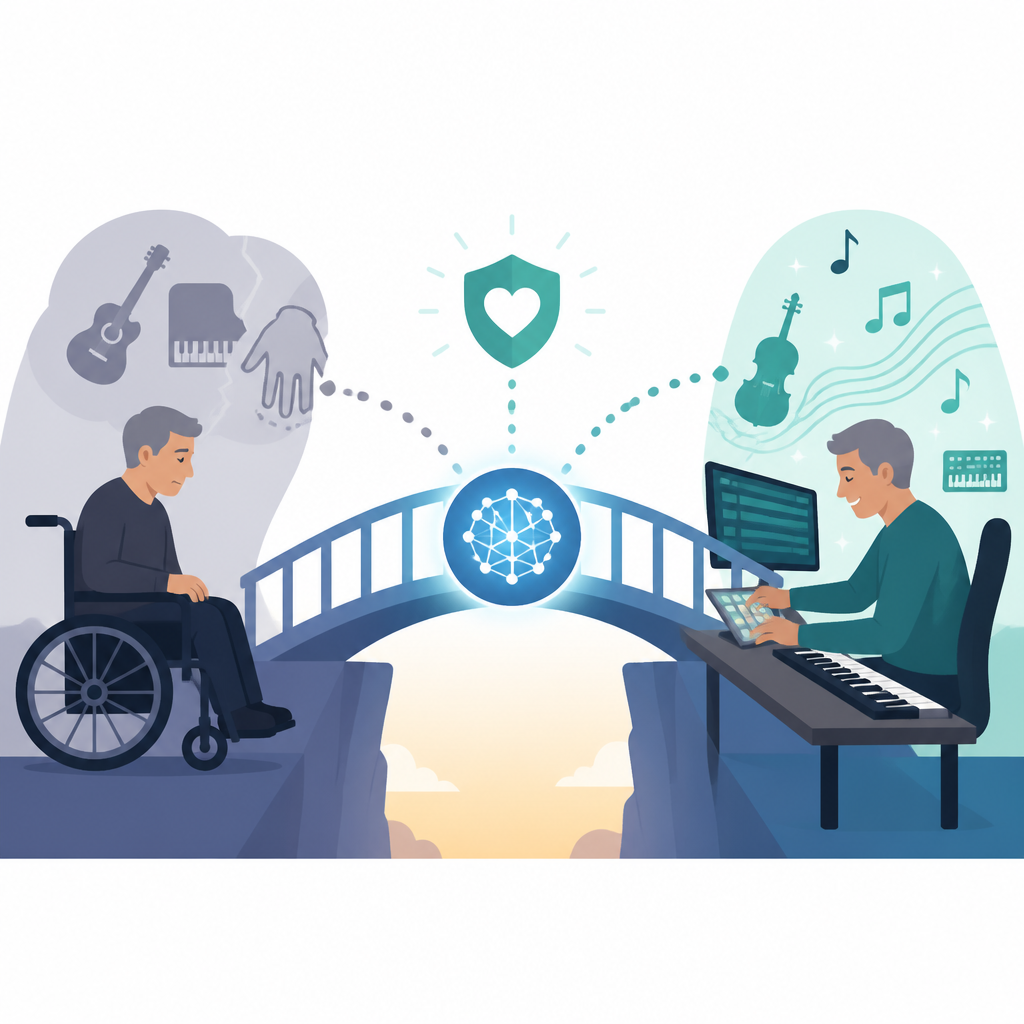
That concern deserves respect, but it does not defeat the case here. The key difference is purpose. A tool used to restore artistic participation after disease is ethically distinct from a tool used to replace labor because it is cheaper. The answer is not to reject AI assistance; it is to require disclosure and preserve the artist’s control. If the musician is the author and AI is the mechanism, that is a defensible use. If the model becomes the author, the line has been crossed.
What to do with this
Engineers, PMs, and founders should build for assistive creativity first. That means making AI tools that are transparent, editable, and clearly under human control. It means treating accessibility, not automation, as the first design principle. If your product can help a disabled artist keep making work they otherwise could not make, you are solving a real problem. If it hides authorship or erases the human’s role, you are building the wrong thing.
// Related Articles
- [IND]
OpenAI updates its Europe privacy policy
- [IND]
OpenAI is right to keep ads out of sensitive chats
- [IND]
AI bootlegs are already draining streaming royalties
- [IND]
AMD and Microsoft push Windows ML on GPU and NPU
- [IND]
OpenAI’s IPO filing turns hype into scrutiny
- [IND]
Skatteetaten proves public sector AI should be judged by outcomes