YZi Labs ties creators to Web3 and AI deal flow
YZi Labs launched a Creator Program that gives storytellers access to 300-plus portfolio firms, founders, and distribution channels.

YZi Labs launched a Creator Program that links storytellers to 300-plus portfolio companies.
YZi Labs has added a new layer to its crypto and AI playbook: a curated Creator Program that connects storytellers with founders, products, and distribution inside a portfolio of more than 300 companies. The move matters because it turns media, hiring, and capital into one connected system instead of treating them as separate jobs.
| Item | Number | What it means |
|---|---|---|
| Portfolio companies | 300+ | Creators get access to a wide network of founders and products |
| Builder Fund size | $1 billion | YZi Labs has cash to back early-stage teams |
| Per-team funding | Up to $500,000 | Selected founders can get meaningful early capital |
| Bitcoin price backdrop | Above $70,000 | Crypto still has a strong market anchor |
| Ether price backdrop | Above $2,000 | AI and Web3 bets still sit near a large liquid asset base |
A creator program built around distribution, not vanity
Get the latest AI news in your inbox
Weekly picks of model releases, tools, and deep dives — no spam, unsubscribe anytime.
No spam. Unsubscribe at any time.
The program is designed to do more than hand out access badges. According to the company’s announcement on ChainCatcher, participating creators get priority access to founders across the portfolio, while portfolio teams get people who can explain technical products without flattening them into generic marketing copy.
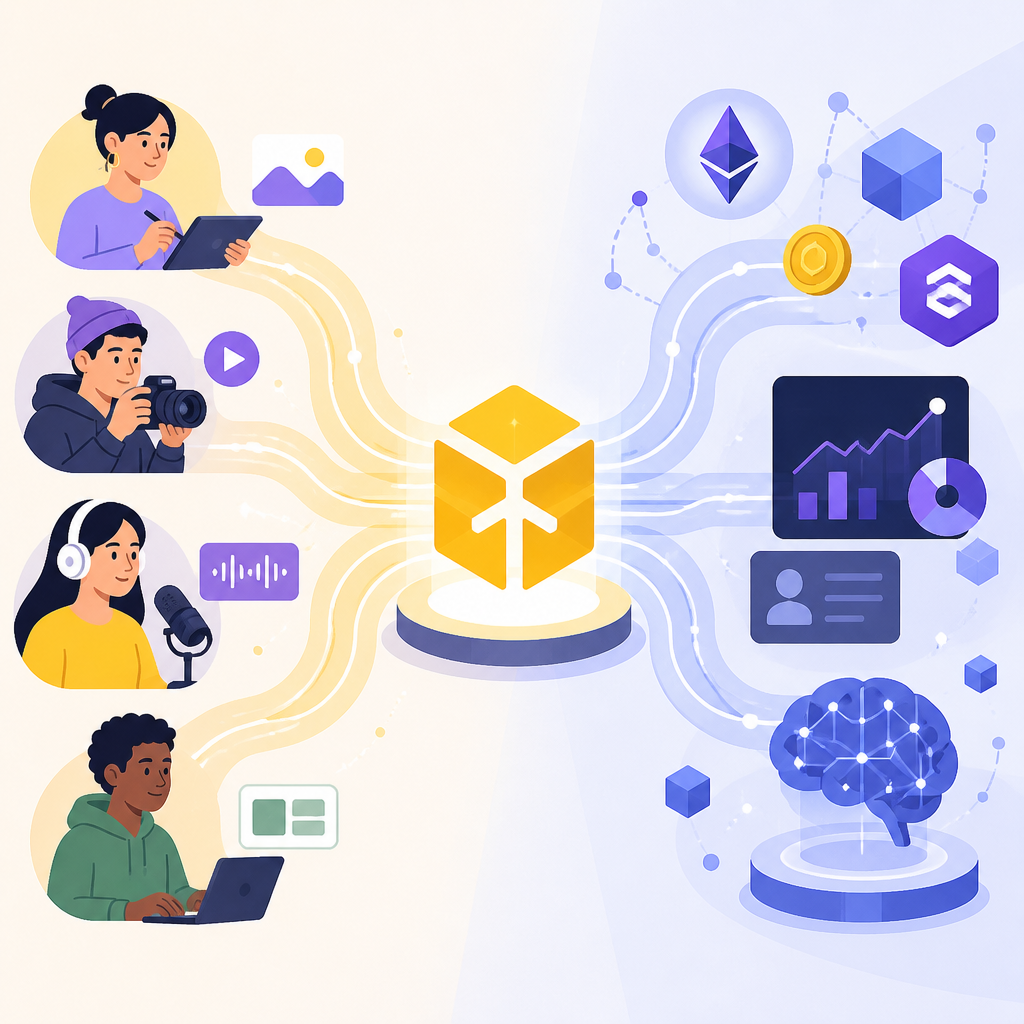
That distinction matters. A lot of Web3 marketing still looks like recycled hype: a launch thread, a few influencer posts, and a paid campaign that disappears after a week. YZi Labs is trying a different approach by making creators part of the operating system around its investments.
The firm said the program focuses on Web3, AI, and frontier technology, which matches the sectors it has already been funding and incubating. That makes the creator layer feel less like a side project and more like an extension of its investment thesis.
- Creators get early access to founders and product teams
- Portfolio companies get storytellers with domain knowledge
- Distribution flows through YZi’s existing network
- The program targets Web3, AI, and frontier tech
YZi is building one connected stack
This is where the strategy gets interesting. YZi Labs, formerly Binance Labs, has been assembling pieces that fit together: incubation, recruiting, capital, and now creator access. The company’s EASY Residency program supports early-stage founders in Web3, AI, and biotech, while its YZi Talent platform aggregates open roles from across the portfolio.
Put those together and the picture is clear. YZi is not just investing in companies. It is building a shared operating layer around them, where founders, engineers, and creators all pass through the same network.
“Today we're launching the YZi Labs Creator Program — a curated network of creators across Web3, AI, and frontier tech, plugged into the distribution layer of our 300+ portfolio companies.” — YZi Labs, X post on May 28, 2026
The company’s own language makes the strategy plain: creators gain warm access to founders, founders get better storytelling, and YZi keeps the whole loop inside its ecosystem. That is efficient, but it is also tightly controlled. If it works, YZi can shape how its portfolio is explained to the market before outside media even gets a chance to frame the story.
There is also a recruiting angle hiding in plain sight. When a creator program sits beside a talent platform, a residency track, and a venture fund, the company can move people from audience to applicant to contributor without leaving the ecosystem. That is a much more durable funnel than a one-off influencer campaign.
Why the numbers matter more than the branding
The raw numbers tell you why this announcement deserves attention. YZi says the Creator Program plugs into more than 300 portfolio companies. Earlier this year it also unveiled a $1 billion Builder Fund for early-stage founders on BNB Chain, with some teams able to secure up to $500,000 each. Those are not symbolic figures. They are enough to shape which teams get built, hired, and heard.
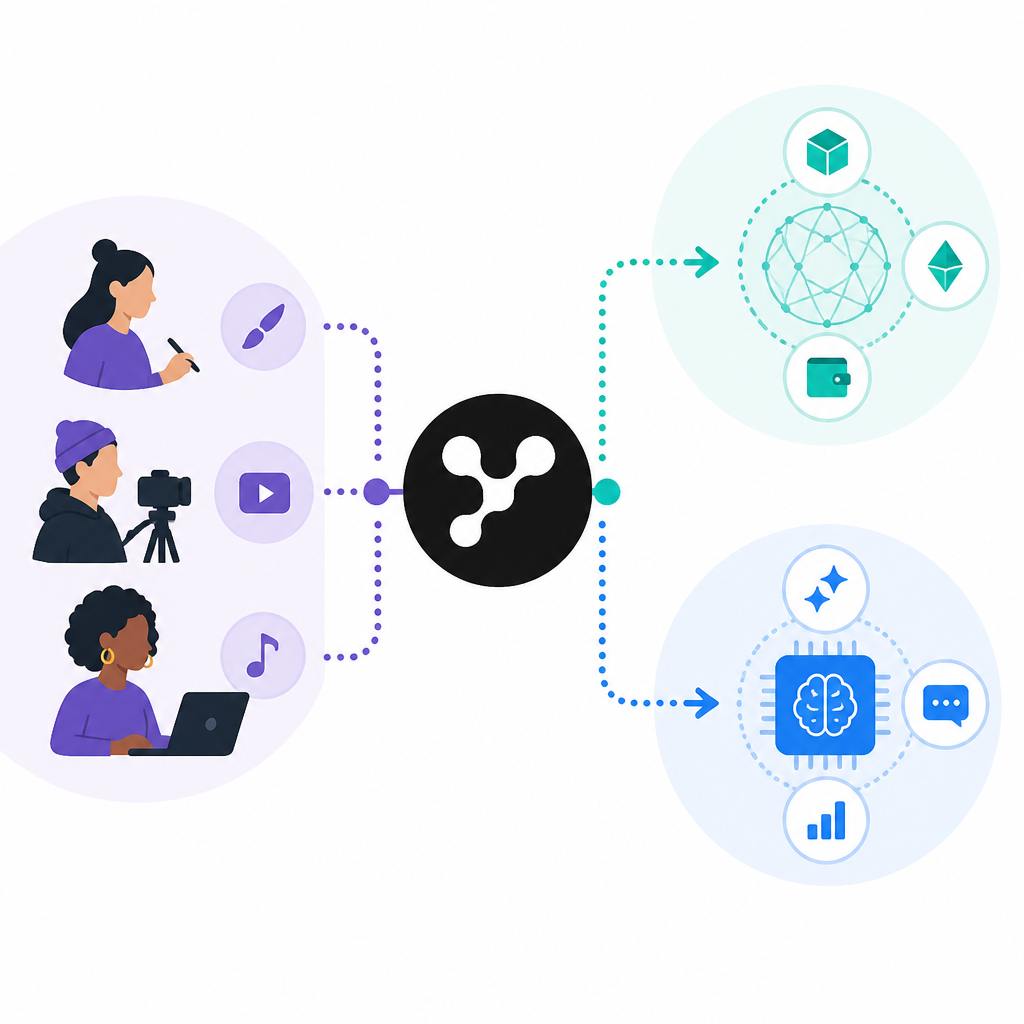
There is a market backdrop too. Bitcoin is trading above $70,000 and ether is above $2,000, which keeps crypto capital and attention flowing into adjacent bets like AI infrastructure and creator tooling. That matters because a creator network is only useful if there is enough market activity to keep founders, investors, and users paying attention.
- 300+ portfolio companies create a large internal distribution surface
- $1 billion Builder Fund gives YZi capital depth
- Up to $500,000 per team can change an early build plan fast
- BTC above $70,000 and ETH above $2,000 keep the macro setting supportive
Compared with a standard agency model, this setup is more selective and more opinionated. YZi is choosing who gets access, which stories get amplified, and which founders get matched with creators. That can improve quality, but it also concentrates narrative power inside the firm.
For creators, the upside is obvious: better access, better context, and a chance to work with teams shipping real products instead of chasing engagement bait. For founders, the benefit is equally clear: a storyteller who already understands the sector and can explain the product without a week of onboarding.
What this says about the next wave of crypto media
Web3 has spent years promising that creators will own more of their audience and earn more directly from their work. Projects like Promeet have pushed that idea from the payment side, while YZi is attacking the distribution side. The difference is subtle but important: one changes how creators get paid, the other changes who gets access to the people building the products.
That makes YZi’s move feel less like a press release and more like infrastructure for influence. If the program scales, it could become a template for how venture firms package capital, talent, and narrative under one roof.
The bigger question is whether other funds copy the model or whether this stays a YZi-specific advantage. My bet is that more firms will try, but few will have the combination of portfolio size, capital, and existing audience to make it work at the same level. The real test is whether these creators produce better coverage, stronger founder relationships, and measurable distribution gains over the next few quarters.
For now, the signal is clear: in crypto and AI, attention is becoming an asset class of its own, and YZi Labs wants to own more of the plumbing behind it.
One thing to watch next is whether YZi starts publishing creator outcomes the same way it publishes talent and founder activity. If it does, we will get a much cleaner read on whether this is a smart ecosystem move or just a well-packaged media experiment.
// Related Articles
- [IND]
Korea’s Nvidia talks point to an AI factory push
- [IND]
OpenAI should not rush its IPO just to win the AI race
- [IND]
OpenAI updates its Europe privacy policy
- [IND]
OpenAI is right to keep ads out of sensitive chats
- [IND]
AI bootlegs are already draining streaming royalties
- [IND]
AMD and Microsoft push Windows ML on GPU and NPU