Why B.AI’s Solana move is the right play for multi-chain AI
B.AI is right to add Solana because multi-chain access is now the baseline for crypto-native AI products.
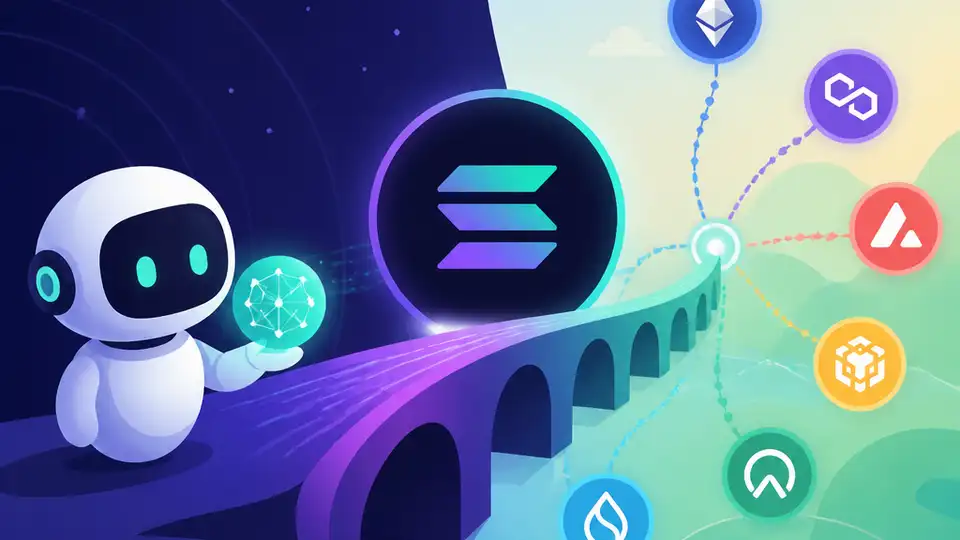
B.AI is right to add Solana because multi-chain access is now the baseline for crypto-native AI products.
B.AI’s decision to add Solana is the right move, and it should be treated as a baseline requirement rather than a flashy expansion. The platform says it now supports one-click access through MetaMask and Phantom, accepts deposits in SOL, USDT, USDC, and WBTC, and spans eight major networks including Ethereum, Base, Arbitrum, Optimism, Polygon, TRON, BNB Chain, and Solana. That is not cosmetic. It is the minimum viable shape of a product that wants to sit at the intersection of AI, payments, and onchain access without forcing users to care which chain they came from.
Multi-chain access is now the product, not the feature
Get the latest AI news in your inbox
Weekly picks of model releases, tools, and deep dives — no spam, unsubscribe anytime.
No spam. Unsubscribe at any time.
The strongest reason to welcome this update is simple: chain friction kills adoption. If a user has to stop and ask whether they need MetaMask, Phantom, or a bridge before they can even try a product, the product is already losing. B.AI’s one-click access through both MetaMask and Phantom lowers that barrier in a way users can feel immediately. It acknowledges a reality crypto teams still resist, which is that users do not want to learn your infrastructure before they use your app.
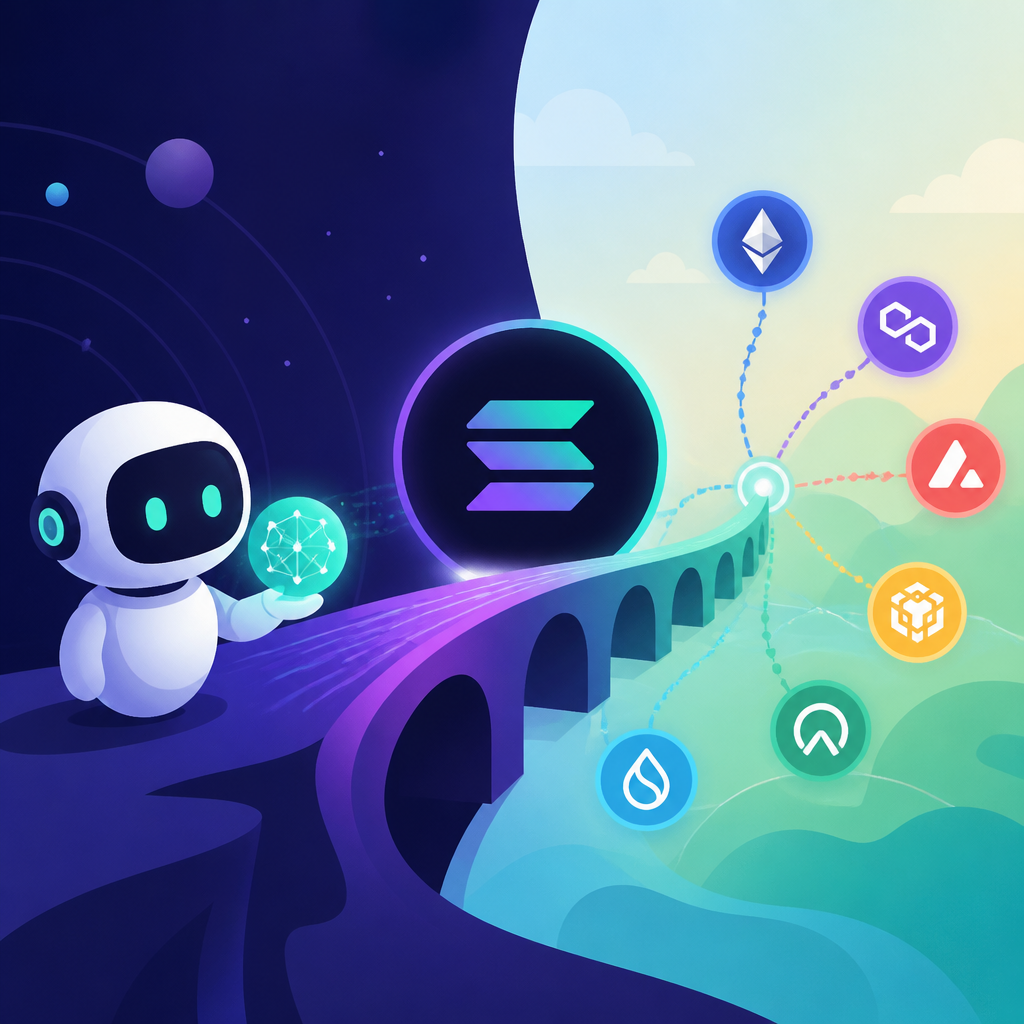
The network list matters for the same reason. Supporting eight chains is not just a bragging right, it is a signal that B.AI understands where liquidity and user habits already live. Ethereum users, Solana users, and the people spread across Base, Arbitrum, and Polygon are not waiting to be unified by ideology. They want a service that accepts their assets and gets out of the way. In that sense, B.AI’s move is pragmatic, not visionary, and pragmatism is exactly what wins in this category.
Solana brings the right user profile for this kind of product
Solana is a smart addition because it brings a large base of users who already expect speed and low fees. That matters for any platform that mixes AI access with onchain payments, because the user experience is only as good as the cheapest, fastest path into the system. If B.AI wants people to fund accounts, explore credits, and return often, it needs a chain that makes small transactions feel painless. Solana does that better than most of its peers.
The supported deposit assets reinforce the point. Accepting SOL, USDT, USDC, and WBTC gives users options that match how they already manage capital across crypto. This is not about theoretical interoperability. It is about removing excuses. A user who holds stablecoins on Solana should not have to bridge, swap, or reconfigure their wallet just to test an AI product. B.AI gets that, and the result is a cleaner path from curiosity to usage.
The incentives show B.AI is trying to create habit, not hype
The credit giveaway is not the main story, but it does reveal the company’s intent. New users get 500,000 credits on first login, and B.AI is offering a 1:1 top-up match with up to $100 in extra credits per user. That is a classic activation strategy: make the first session feel generous enough that users actually explore the product. In a market crowded with AI-branded experiments, the hardest thing is not attracting attention. It is getting someone to stay long enough to understand the value.
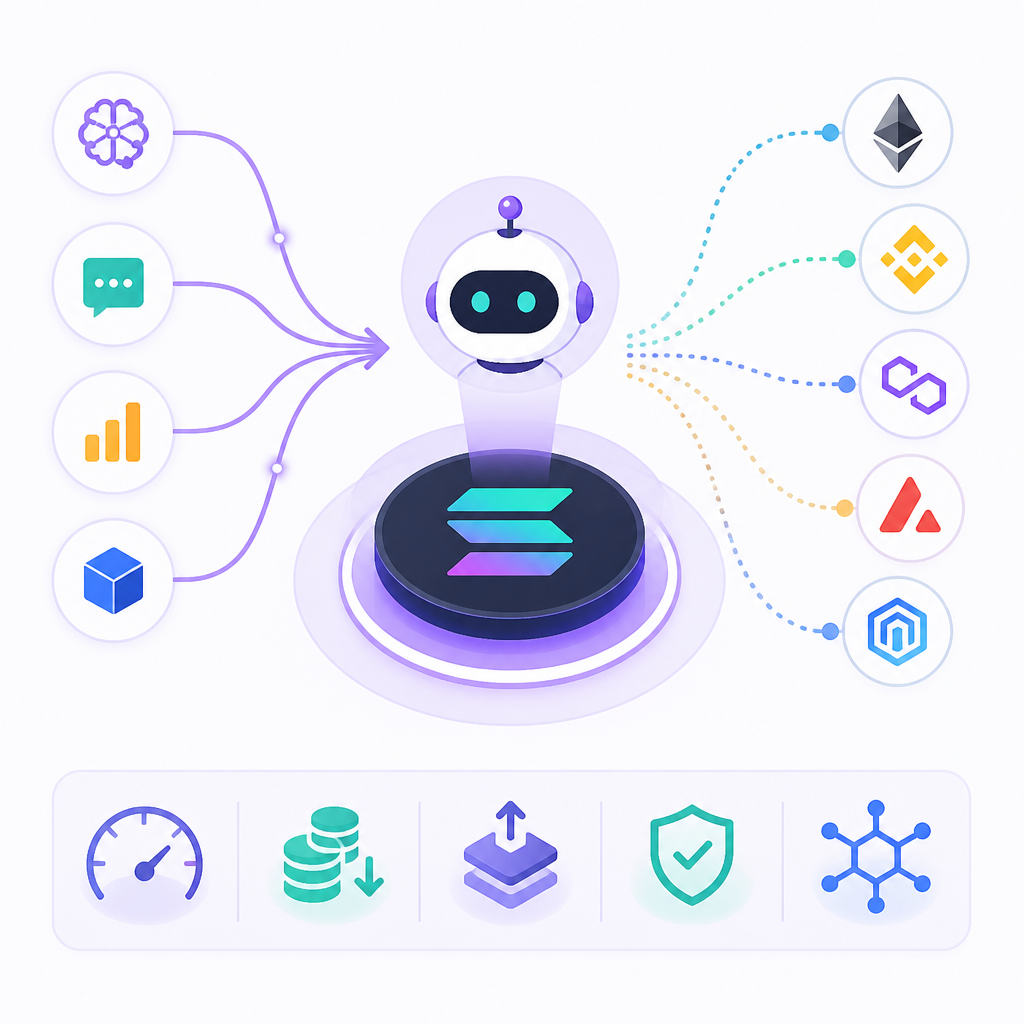
That is why the company’s “autonomous AI economic ecosystem” language should be read as a product thesis, not just marketing copy. B.AI is trying to combine access, funding, and AI interaction inside one system. That only works if the onboarding path is frictionless and the payment rails are broad enough to meet users where they are. Solana helps on both counts. It increases reach, and it makes the ecosystem feel like a place users can actually enter rather than a concept they are asked to believe in.
The counter-argument
The best objection is that multi-chain support can become a distraction. Every added network increases operational complexity, creates more surface area for bugs, and adds more wallet and payment edge cases. There is also a real risk that platforms use broad chain support as a substitute for product depth. A service can support every major network and still fail to give users a reason to come back.
That critique is fair, but it does not defeat B.AI’s move. The problem is not multi-chain support itself. The problem is adding chains without a clear user path. B.AI is not doing that here. It is pairing Solana support with wallet login simplification, multiple deposit assets, and a concrete credit incentive. That is a coherent onboarding stack, not random chain sprawl. The company may still need to prove the AI layer is useful, but the infrastructure decision is correct.
What to do with this
If you are building an AI product with onchain payments, copy the discipline here: support the wallets and chains your users already trust, make funding obvious, and remove the need for bridges or manual work wherever possible. If you are a founder, treat multi-chain support as a conversion issue, not a branding move. If you are a PM or engineer, optimize for the shortest path from wallet connect to first successful action, because that is where adoption is won or lost.
// Related Articles
- [CHAIN]
7 Solana APIs that cut weeks off integration
- [CHAIN]
Solana Unchained token sale nears Phase 1 close at $0.05
- [CHAIN]
June 2026 Web3 Signals Founders Should Use Now
- [CHAIN]
Bitcoin DeFi will grow, but not by copying Ethereum
- [CHAIN]
AI-blockchain projects need real utility, not token theater
- [CHAIN]
DMG’s 50 MW AI LOI is a better use of miners’ power assets