AI, Agentic DeFi, and Web3 Grants to Watch
March 2026 brings fresh Web3 funding for AI, agentic DeFi, and blockchain builders, with grants up to £49.8M and $5M on offer.

March 2026 is turning into a busy month for Web3 funding. One grant call in this batch is worth £49.8 million, while another puts $5 million behind prediction-market builders, and a third allocates $4 million to teams shipping on Bags.
That mix tells you where the money is going: AI agents, DeFi infrastructure, and projects that can prove real usage instead of pitching abstract token stories. If you build in crypto, the opportunity set is broader than it was a few months ago, but the bar is higher too.
What this March grant wave says about Web3
Get the latest AI news in your inbox
Weekly picks of model releases, tools, and deep dives — no spam, unsubscribe anytime.
No spam. Unsubscribe at any time.
The clearest signal in Cornaro Labs’ latest grant roundup is that funding is splitting into two lanes. One lane backs infrastructure that can support AI-native products. The other lane backs ecosystems that already have users, volume, or developer activity and want more builders.
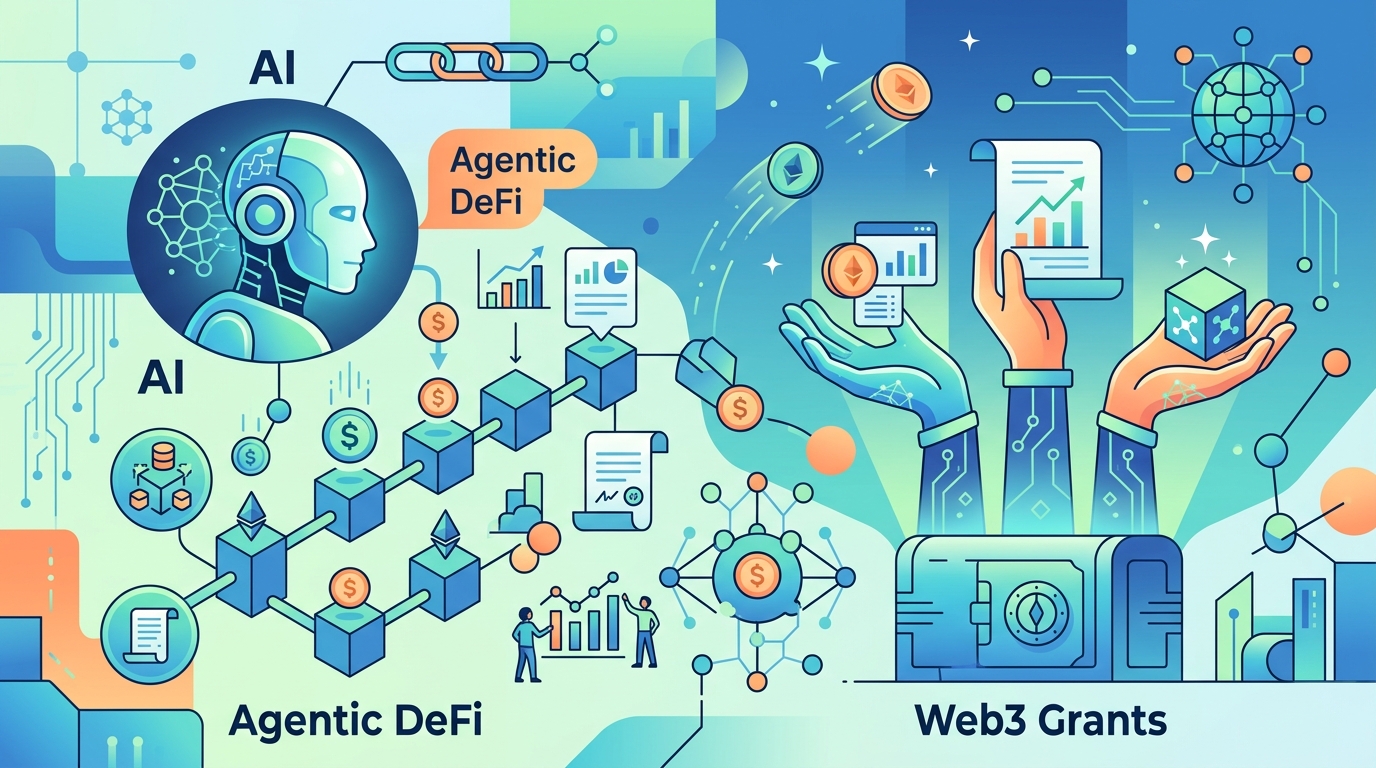
That matters because the old “launch a token, then ask for grants” playbook is losing steam. The new pattern is more practical: show traction, show a use case, and show why your project fills a gap in a live ecosystem. Across the grants in this edition, the most common requirements are active users, migration plans, clear milestones, or a working prototype.
There is also a visible shift in what ecosystems want to fund. Rather than broad branding campaigns, they want tooling, agent infrastructure, data layers, validators, and integrations that can stick around after the grant money is spent.
- £49.8M for a UK R&D programme focused on a secure testing arena for AI agents
- $5M grant pool from Rain for prediction-market builders
- $4M total funding from Bags, including $1M in grants for 100 teams
- $3M direct development grants from Toby’s Grants Program for Solana validators
- $10,000 to $100,000 staged funding from Venom Foundation
The biggest opportunities in the list
The headline item is Scaling Trust – Multi-Agent Security Arena, a £49.8 million R&D programme looking for a partner to co-design and operate a secure testing arena for AI agents. The deadline is 14 April 2026, and the focus is squarely on AI infrastructure.
Arbitrum is also pushing hard on the builder side with its mentorship program. It is an 8-week track starting 13 April, aimed at teams moving from experimentation to mainnet launch. The emphasis is on go-to-market, liquidity design, and fundraising support, which is a useful sign that ecosystems now care about the messy work after code ships.
Then there is Solana via Toby’s program, which splits funding into three buckets: direct grants, ecosystem rewards, and a trading-volume incentive. That structure is interesting because it rewards both shipping and staying active, instead of paying only for the first milestone.
“The question is no longer whether AI will enter the grants pipeline, but how quickly programmes will build the guardrails to do it responsibly.”
That line from the source article captures the mood well. Grant programs are starting to treat AI as both a topic and a tool. On one side, they fund agentic DeFi, decentralized AI, and AI tooling. On the other, they use AI to review applications, spot inconsistencies, and reduce the grind of governance.
Coinbase is part of that broader shift too, with its Agentic Wallets work pointing toward AI-managed DAO treasuries that can move funds and pay contributors without a vote every month. That is a big operational change, especially for teams that spend more time coordinating than building.
How the grants compare on size and requirements
The differences between these programs are more useful than the similarities. Some are open-ended and research-heavy, while others are strict about traction and ecosystem fit. If you are choosing where to apply, the real question is whether your project needs capital, credibility, distribution, or technical support.
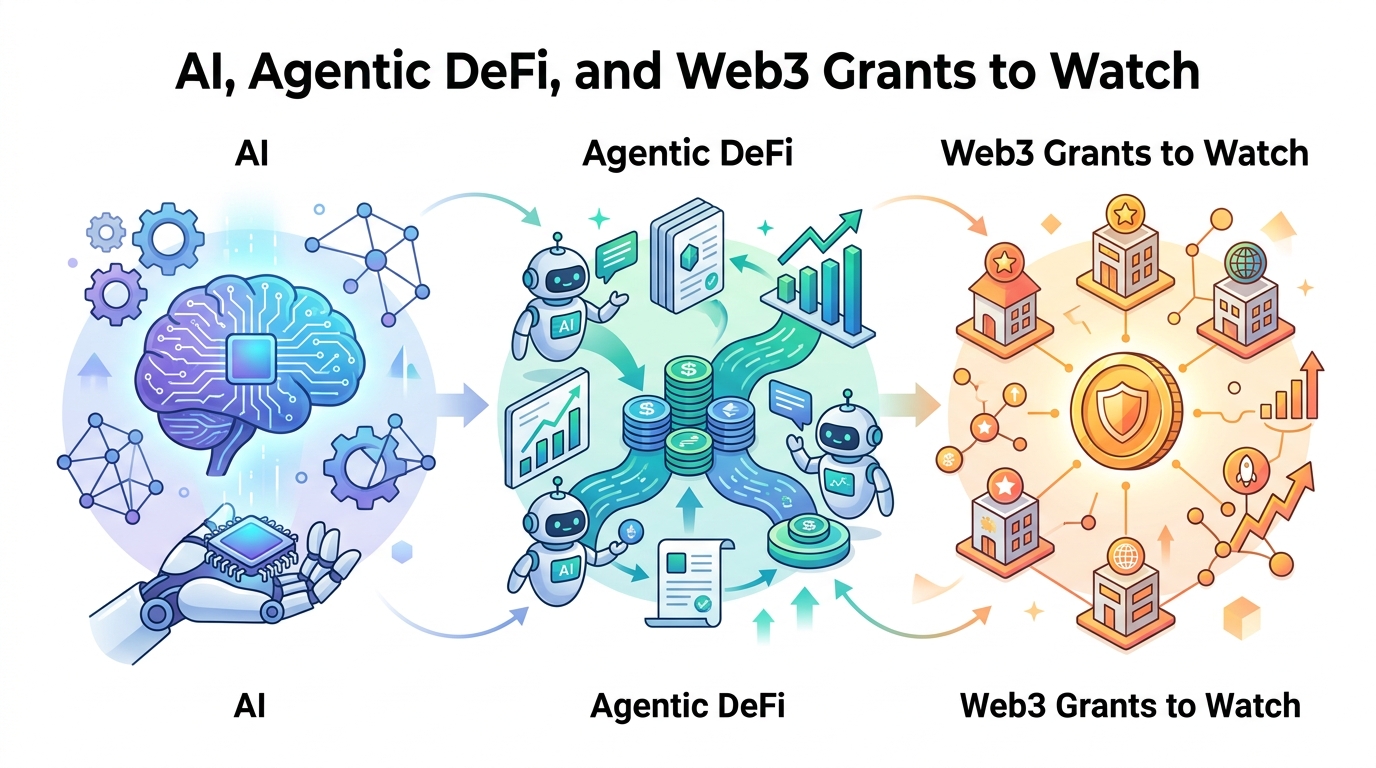
Here is the practical comparison:
- Scaling Trust: £49.8M, deadline 14 April 2026, built for AI security and infrastructure research
- Arbitrum Mentorship Program: 8 weeks, starts 13 April, focused on teams nearing mainnet launch
- Rain Grant Program: $5M, paired with an OpenClaw-compatible AI agent SDK for prediction-market builders
- Venom Foundation: initial $10,000 with follow-on funding up to $100,000, plus user and revenue expectations
The most selective programs are also the most specific. Venom wants teams with an active social following, at least 1,000 monthly active users, and a clear financial model. That is not a hobbyist grant. It is an invitation for teams that already have something moving and want to scale it inside a single chain ecosystem.
The EU calls are different again. Horizon Europe is funding virtual-worlds and Web 4.0 work around standards, protocols, immersive interaction, and data exchange. The deadline for both calls in this roundup is 15 April 2026, which makes them relevant for teams building XR, open internet infrastructure, or digital-identity-adjacent systems.
Why AI is changing grant programs themselves
The most interesting part of this roundup is not a single grant. It is the way AI is changing how grants get managed. The article notes that agents are already being used to flag inconsistent applications, estimate treasury runway, and reduce voter fatigue in governance-heavy systems.
That is a real operational shift. Grant committees often drown in repetitive review work, while applicants spend weeks tailoring the same pitch for different ecosystems. AI can compress that work, but only if the rules are clear enough that humans still control the final decision.
The CL Web3 Grants Hub is part of that same movement. It tracks more than 150 active Web3 and crypto grants, updates every 48 hours, and uses AI to match projects with funding opportunities. That is less about hype and more about making grant discovery less painful for builders who do not have time to monitor every ecosystem by hand.
There is also a wider industry implication here. The same stack that powers agentic finance can power grant administration: wallets, automation, permissions, treasury controls, and audit trails. If teams get that right, the grant process gets faster without turning into a black box.
For builders, that means one thing: applications need to read like operating plans, not marketing decks. If you can show users, explain your milestone path, and prove why your project belongs in a specific ecosystem, you have a better shot than teams relying on generic “AI + crypto” positioning.
What builders should do next
If you are applying this month, start with the programs that match your current stage. Research-heavy teams should look at the UK and EU calls first. Product teams with traction should focus on Arbitrum, Venom, Rain, Solana, or Bags, depending on where your users already are.
The best move is to treat grants like distribution channels, not just funding sources. A good grant can buy you a pilot, a technical relationship, or a path into an ecosystem that would otherwise ignore you. But if your project cannot show a live need, a working demo, or a clear path to adoption, the money will go elsewhere.
My read is simple: the next six months will favor teams that can ship in public, document usage, and fit cleanly into one ecosystem’s technical story. If you are building in AI x Web3, this is a strong window to apply before deadlines stack up in April.
So the real question is: can your project explain, in one paragraph, why a grant committee should fund it now instead of later?
// Related Articles
- [CHAIN]
Crypto exchanges should show up in LATAM, not just advertise there
- [CHAIN]
UAE Web3 setup turns crypto rules into a checklist
- [CHAIN]
Five AI Futurist features shaping Futurist 2026
- [CHAIN]
Regulation Now Moves Bitcoin and Ethereum More Than War
- [CHAIN]
The SEC Crypto Rule Proposal Will Clean Up Crypto, Not Kill It
- [CHAIN]
Web3 platforms need fee discipline, not token theatrics, to make money