Yakovenko Warns AI Could Crack PQC Wallets
Solana co-founder Anatoly Yakovenko says AI may break post-quantum signature schemes before blockchains finish migrating.

Anatoly Yakovenko says AI may break post-quantum signature schemes before blockchains finish migrating.
Solana co-founder Anatoly Yakovenko posted the warning on X on May 2, 2026, and it landed in a very specific corner of crypto security: post-quantum cryptography. His point was blunt. If AI can find weaknesses in the new signature schemes faster than expected, wallets and transaction systems could inherit a fresh set of risks before quantum-resistant upgrades are fully in place.
The concern matters because this is not a Solana-only problem. Solana, Ethereum, and Bitcoin all depend on public-key cryptography that must eventually survive a future with stronger attackers, whether those attackers are quantum machines or AI-assisted researchers.
| Item | Detail |
|---|---|
| Post date | May 2, 2026 |
| Article date | May 3, 2026 |
| Yakovenko’s proposal | 2/3 wallet support for PQC schemes |
| Alternative he suggested | Native support via PDAs in the transaction processor |
| Networks mentioned in the article | Solana, Bitcoin, Ethereum |
What Yakovenko actually said
Get the latest AI news in your inbox
Weekly picks of model releases, tools, and deep dives — no spam, unsubscribe anytime.
No spam. Unsubscribe at any time.
Yakovenko did not frame the issue as a distant academic problem. In his post, he argued that the biggest risk is that post-quantum cryptography signature schemes could be broken by AI. He also said the industry does not fully understand the “implementation footguns” yet, and that the math itself may hide even more problems.
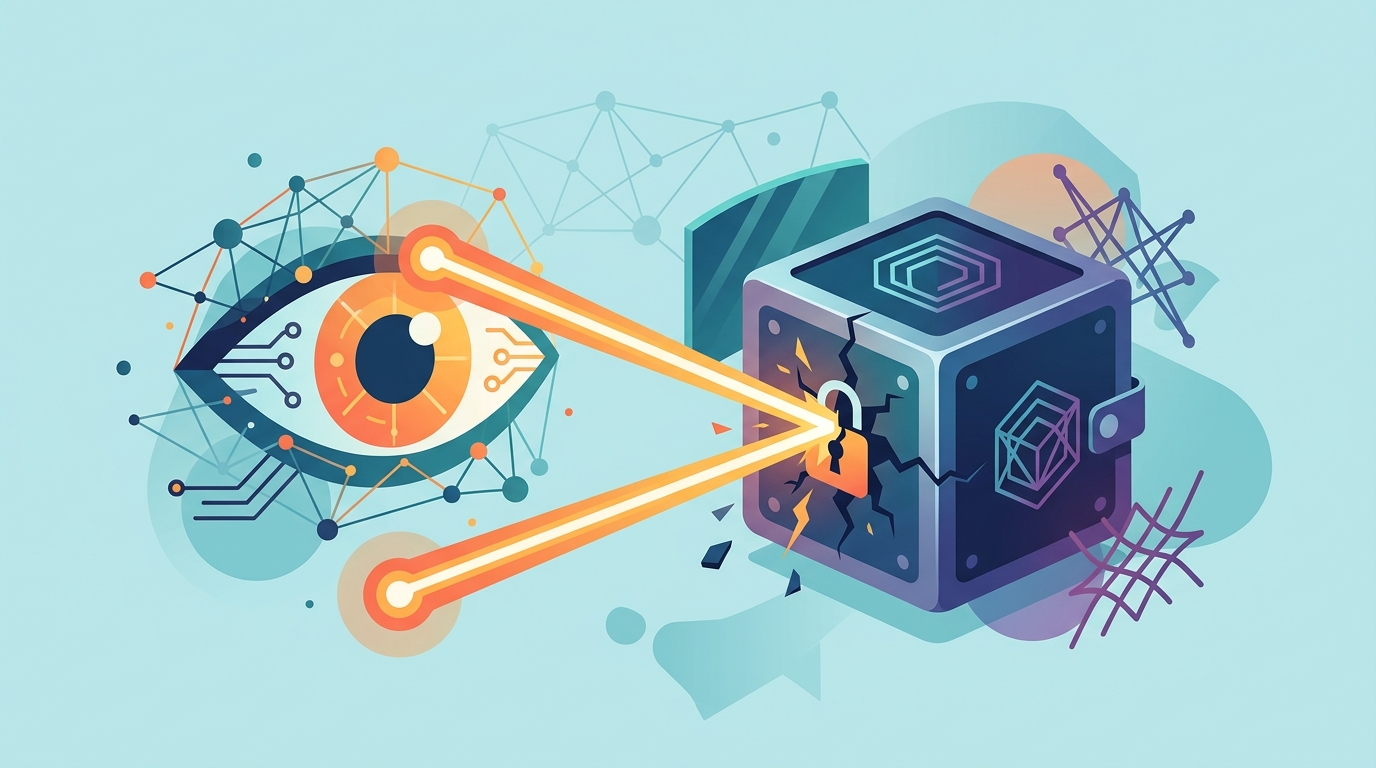
That wording matters. A lot of blockchain security debates focus on theoretical attacks, but Yakovenko is pointing at two layers of failure at once: the cryptography and the software that implements it. One layer can be sound on paper and still fail in production if developers mis-handle edge cases, key management, or wallet integration.
The post also included a concrete engineering suggestion. Yakovenko wants support for 2/3 wallets for post-quantum schemes, and he said native support through Program Derived Addresses, or PDAs, inside the transaction processor would be even better.
- His warning centered on PQC signature schemes, not general blockchain encryption.
- He called out both math-level and implementation-level weaknesses.
- He proposed 2/3 wallet support as a migration aid.
- He suggested native PDA support as the cleaner long-term path.
Why the Solana team is already preparing
This is not a random opinion from outside the protocol. Solana’s engineering arm, Anza, has already published research on quantum readiness. That work looks at how Solana could move toward quantum-resistant cryptography without wrecking performance, which is the real constraint for high-throughput chains.
Solana has always sold itself on speed and low fees, so any security migration has to preserve those traits. That makes the quantum transition harder than a simple cryptographic swap. Wallet compatibility, validator behavior, transaction size, and developer tooling all have to keep working while the network changes underneath them.
“I think the biggest risk is that pqc signature schemes will get broken by ai,” Anatoly Yakovenko wrote on X on May 2, 2026.
That quote is the heart of the story. It is a warning about the timing of the transition, not a claim that current wallets are already broken. Yakovenko is saying the crypto industry may be racing to adopt new defenses while a different class of attacker gets better faster than expected.
The same problem reaches other chains
Solana is just the loudest voice in this article, but the cryptographic exposure is broader. Any chain that relies on ECDSA or EdDSA signatures faces the same long-term issue. That includes the two biggest names in the sector: Bitcoin and Ethereum.
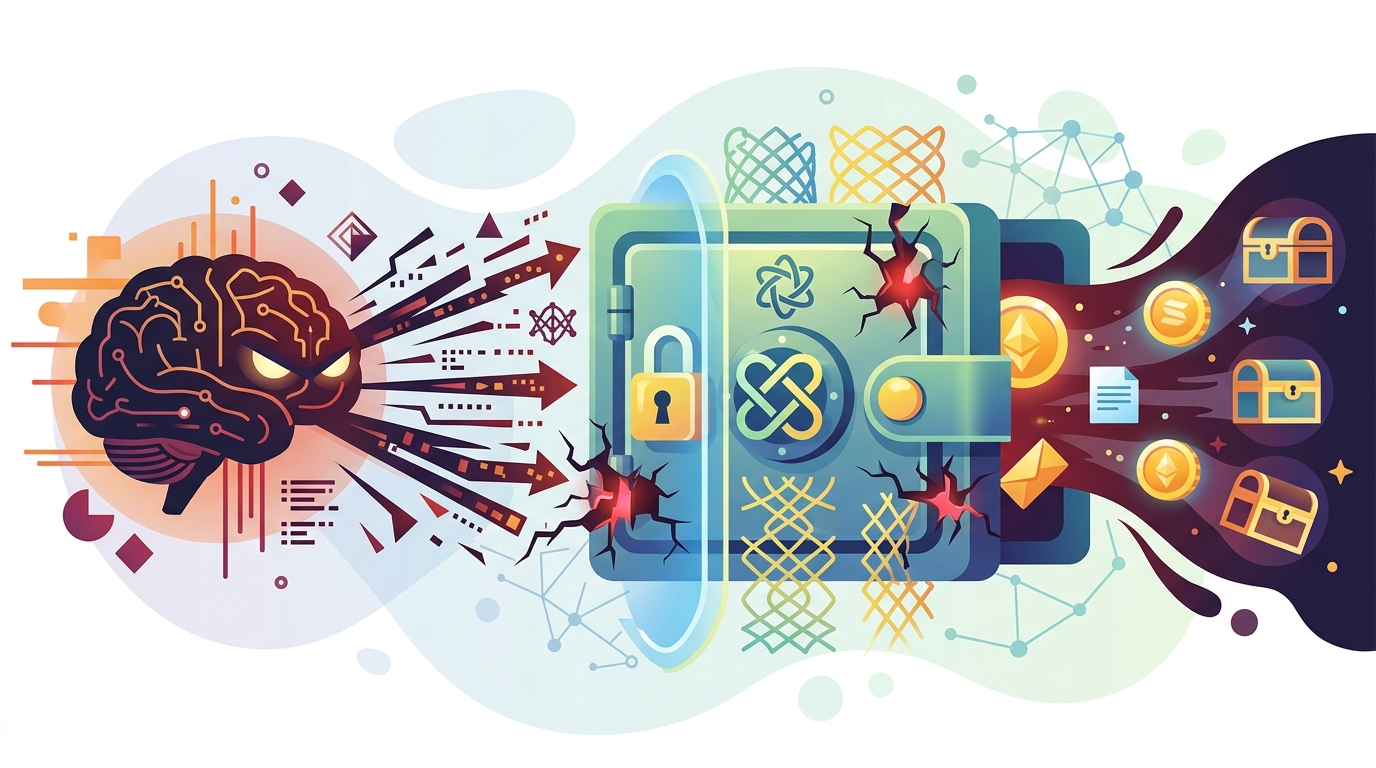
Ethereum has already discussed a quantum resistance roadmap, which shows how seriously core protocol teams are treating the topic. Bitcoin has no short-term need to panic, but its address and signature model still depends on assumptions that would not hold forever if quantum-capable attackers arrive.
- Ethereum’s roadmap includes long-term security planning.
- Bitcoin still relies on public-key primitives that would need a migration path.
- Solana’s ecosystem is already discussing quantum readiness in public.
- Yakovenko’s comments link wallet design directly to protocol security.
The hard part is migration, not awareness. Moving millions of wallets, smart contracts, and custody systems to a new signature standard means coordinating upgrades across exchanges, developers, validators, and end users. That is a long list of moving parts, and every one of them can break if the rollout is rushed.
For institutional players, the signal here is simple: protocols with a believable migration story will look better than those that treat quantum resistance as a future blog post. Security teams at exchanges and custody providers should already be stress-testing how they would phase in new keys, new wallets, and new transaction formats.
What developers should watch next
Yakovenko’s warning is less about fear and more about engineering discipline. If AI can help researchers spot flaws in post-quantum schemes, then the same pressure will hit wallet providers, chain teams, and security auditors trying to deploy those schemes safely.
That means the next debate is not whether quantum-resistant cryptography matters. It does. The real question is which networks can roll it out without breaking user flows or creating new attack surfaces in the process. If Solana’s Anza team keeps publishing technical work, expect other chains to answer with their own migration plans, not just marketing language.
For now, the takeaway is practical: wallet vendors and protocol teams should treat PQC as an active integration project, not a distant research topic. The chains that start testing migration paths now will have fewer surprises when the cryptography underneath crypto finally changes.
// Related Articles
- [CHAIN]
UAE Web3 setup turns crypto rules into a checklist
- [CHAIN]
Five AI Futurist features shaping Futurist 2026
- [CHAIN]
Regulation Now Moves Bitcoin and Ethereum More Than War
- [CHAIN]
The SEC Crypto Rule Proposal Will Clean Up Crypto, Not Kill It
- [CHAIN]
Web3 platforms need fee discipline, not token theatrics, to make money
- [CHAIN]
Riyadh’s blockchain show proves Web3 is now infrastructure