Next-Gen Crypto Simulators Are Getting Smarter
Crypto simulators are adding AI coaching, on-chain practice, and tougher market models to train traders without risking capital.

Crypto paper trading used to mean a fake balance, a price chart, and a hope that you learned something. That version is fading fast. Today, Cryptostart is talking about AI coaching, Web3 mechanics, and market simulation that tries to mimic real execution, not just price direction.
The timing matters. In 2026, crypto traders are no longer just learning how to click buy and sell. They need to understand slippage, wallet flows, on-chain fees, liquidity depth, and the emotional damage of a bad streak. Simulators are starting to teach those skills without forcing people to burn real capital first.
This shift matters because the old model of “practice on a chart, then go live” leaves too many gaps. A trader can look disciplined in a clean demo account and still fall apart when the market moves fast, the order book thins out, or a token bridge gets congested. The next generation of simulators tries to close that gap.
AI coaching turns practice into feedback
Get the latest AI news in your inbox
Weekly picks of model releases, tools, and deep dives — no spam, unsubscribe anytime.
No spam. Unsubscribe at any time.
The biggest change is simple: simulators are moving from passive tools to active teachers. Instead of recording trades and leaving you to interpret your mistakes, AI can now flag patterns like revenge trading after a loss, oversized position sizing, or entries that happen far too late.
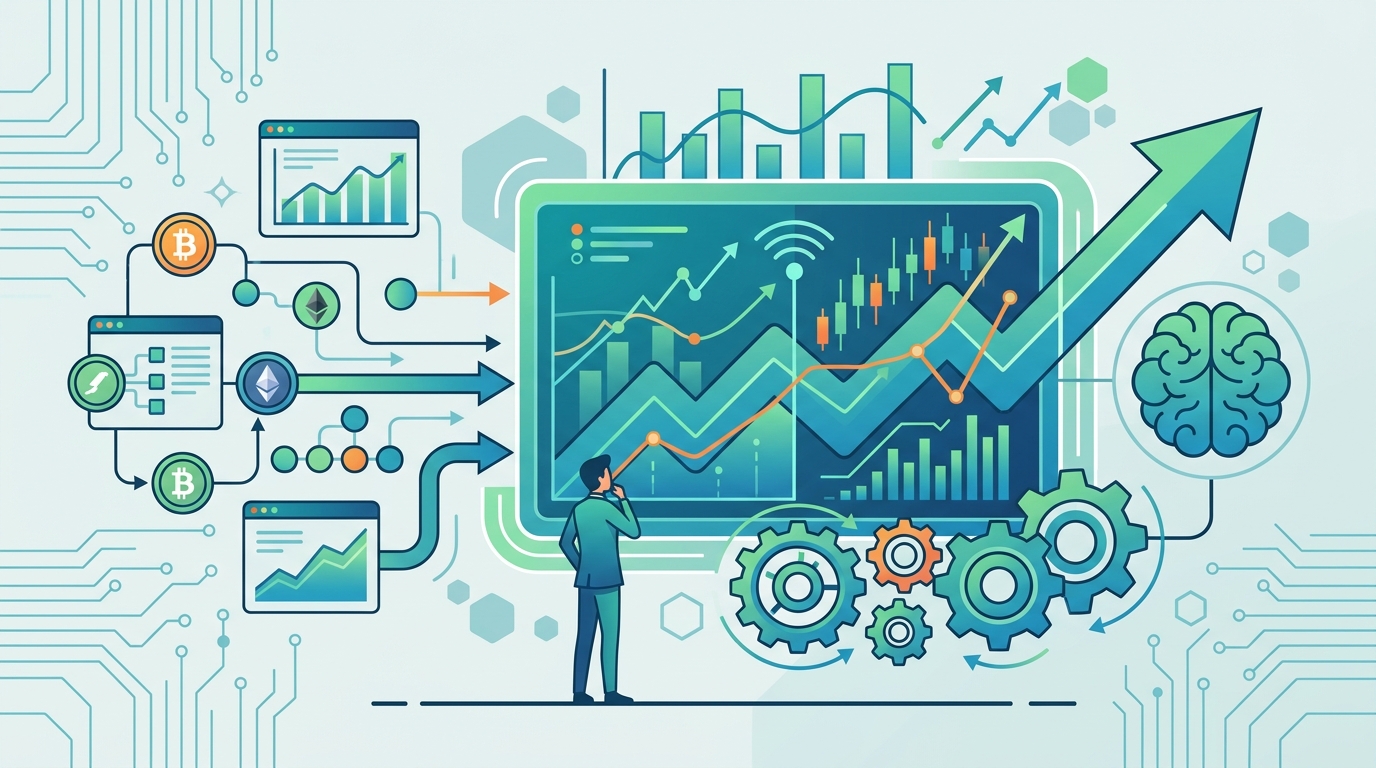
That matters because trading mistakes are often behavioral, not technical. A simulator that spots repeated errors and responds with targeted lessons is far more useful than one that only shows a profit-and-loss chart at the end of the day. OpenAI and Google DeepMind have made the broader case for AI systems that adapt to user behavior, and crypto training products are starting to borrow that logic.
In practical terms, AI-driven crypto practice platforms can:
- detect repeated overtrading after losses and warn the user in real time
- adjust difficulty when a learner keeps making the same execution mistake
- generate short lessons tied to the exact trade that went wrong
- surface patterns across dozens of sessions instead of one noisy day
That turns practice into a loop: trade, review, fix, repeat. For beginners, that is a much faster way to build habits than reading generic trading guides.
Web3 features make simulators feel closer to the real market
Web3 integration is where these tools start to feel less like training wheels and more like a live environment. A simulator that includes wallet interactions, testnet transactions, and decentralized exchange flows teaches the messy parts of crypto that traditional stock-style paper trading ignores.
Projects like Ethereum, Uniswap, and Solana make it obvious why this matters. Crypto trading is not just about reading candles. It is about signing transactions, paying gas fees, understanding pool depth, and knowing what happens when a bridge stalls or a token contract behaves badly.
“The future of money is digital currency.” — Bill Gates
That quote is old, but it still captures the direction of the market. The interesting part now is that training tools are finally catching up to the system traders are entering. A simulator that lets users practice DeFi actions on testnets gives them a safer way to learn the mechanics before they touch real funds.
Web3-native training also opens the door to social features that feel more like competitive gaming than a classroom. Leaderboards, tournaments, and team challenges can make users care about consistency instead of one lucky trade. That is a healthier incentive structure than chasing a single big win.
Realism matters more than flashy charts
Most trading apps can replay historical prices. Far fewer can model the friction that makes real trading hard. That gap is where many learners get surprised. A clean backtest may look great until the user meets slippage, partial fills, thin liquidity, or a market maker pulling bids.
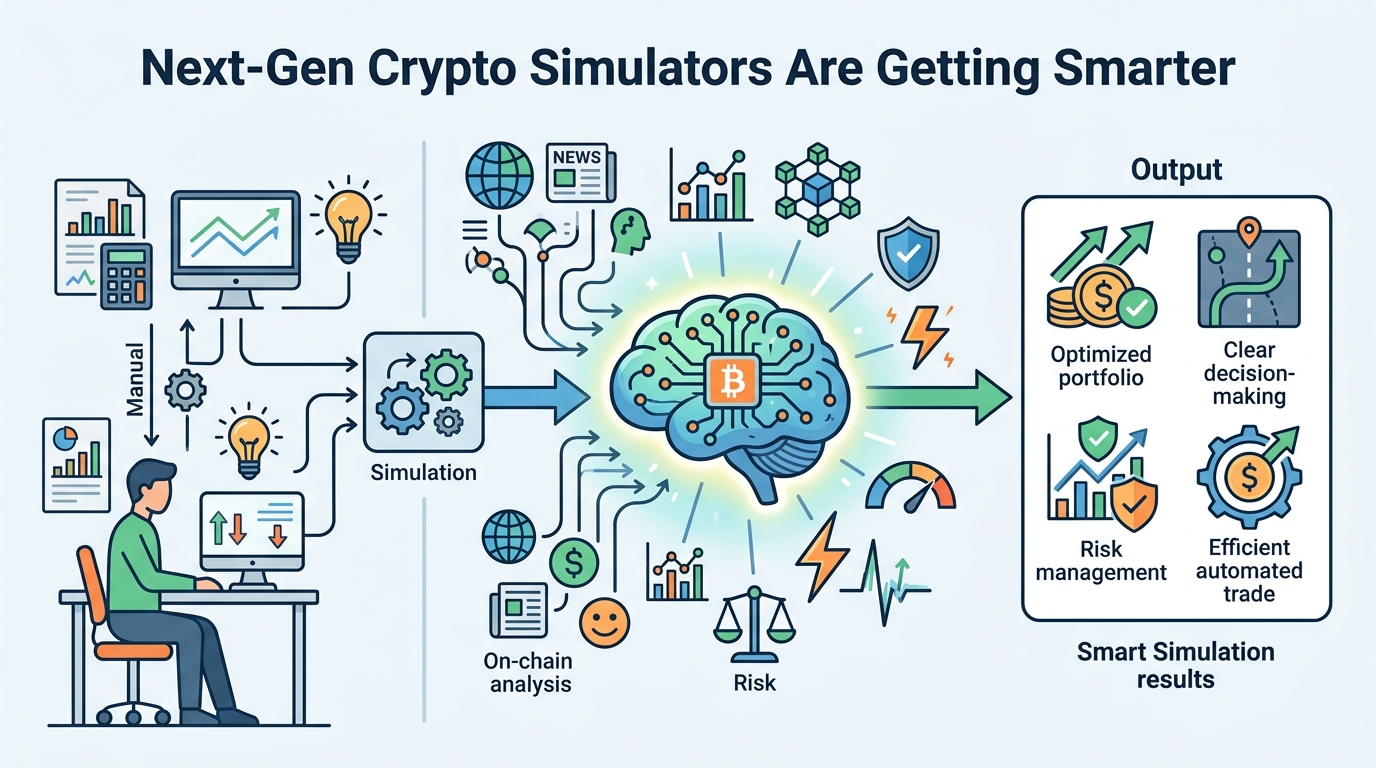
Next-gen simulators need to model those details if they want to teach anything useful. That means using order book depth, execution delays, spread changes, and volatility spikes instead of flat price feeds alone. The closer the simulator gets to live market behavior, the less likely a user is to confuse demo success with actual skill.
Here is the practical comparison:
- basic paper trading often shows only price changes and position sizing
- advanced simulators can include order book depth, slippage, and execution timing
- crypto-native tools can add gas fees, wallet approvals, and DEX routing
- AI-assisted platforms can combine those mechanics with behavior-based coaching
That extra realism is especially important for traders who want to move from casual speculation to disciplined execution. If a simulator cannot punish bad habits in a believable way, it teaches confidence without competence.
Why tournaments and synthetic markets change the learning curve
One of the most interesting ideas in this space is the use of tournaments and synthetic market scenarios. A clean historical replay is useful, but it only shows what already happened. AI-generated scenarios can create flash crashes, liquidity shocks, or sudden regulatory news that force users to react under pressure.
That matters because crypto often moves on events that are rare, messy, and emotionally hard to process. A trader who only practices on smooth historical data may freeze when volatility explodes. By contrast, a simulator that injects stress events can test whether the trader follows a plan or abandons it after the first red candle.
Competition also changes the learning dynamic. A tournament format pushes users to compare strategy, timing, and discipline against others rather than chasing isolated wins. Binance has long used competitive features in crypto products, and the broader industry has shown that users respond to ranking systems, challenge loops, and reward structures.
That said, the best simulators will not just hand out points for activity. They will reward process, risk control, and consistency. A user who makes fewer trades, keeps drawdowns small, and respects stop-losses should rank higher than someone who takes wild swings and gets lucky once.
For readers tracking this space, the real question is whether training platforms can measure the right behaviors. If they can, crypto education becomes less about guessing and more about building repeatable habits. If they cannot, the simulator is just a prettier version of the same old demo account.
What to watch next
The next step is likely a hybrid model where traders move between simulation and live execution inside one product. That would let a user test a strategy in a fake market, then deploy it with small size, then return to practice when performance slips. It is a sensible model, and it fits how people actually learn.
For crypto beginners, the takeaway is simple: choose tools that teach execution, risk control, and on-chain mechanics, not just chart reading. For more advanced traders, the interesting products will be the ones that can model real friction and explain your mistakes in plain language.
My bet is that the winners in this category will be the platforms that combine three things: AI feedback, believable market mechanics, and a clear path from practice to live trading. If a simulator cannot do those jobs, it will stay a toy. If it can, it becomes one of the most practical learning tools in crypto.
OraCore readers who want to compare training styles can also check our related coverage of trading discipline in simulators and crypto tournaments.
// Related Articles
- [CHAIN]
UAE Web3 setup turns crypto rules into a checklist
- [CHAIN]
Five AI Futurist features shaping Futurist 2026
- [CHAIN]
Regulation Now Moves Bitcoin and Ethereum More Than War
- [CHAIN]
The SEC Crypto Rule Proposal Will Clean Up Crypto, Not Kill It
- [CHAIN]
Web3 platforms need fee discipline, not token theatrics, to make money
- [CHAIN]
Riyadh’s blockchain show proves Web3 is now infrastructure