Crypto exchanges should show up in LATAM, not just advertise there
Crypto exchanges win in LATAM by showing up in person, not by buying more ads.

4,000 attendees in Lima show why crypto exchanges need real LATAM presence.
Crypto exchanges that want LATAM users must show up in person, not just run ads and translations.
BYDFi’s appearance at Peru Blockchain Conference 2026 is a useful case study because it was not a product launch or a token pitch. It was a booth, a team, and direct contact with traders, builders, and users in a market where trust still depends on human proof. The event itself drew more than 4,000 attendees, 100+ speakers, and 50+ sponsors, which tells you the audience is already there. The question is whether platforms are willing to meet that audience where it actually gathers.
First argument: trust in LATAM is built face to face
Get the latest AI news in your inbox
Weekly picks of model releases, tools, and deep dives — no spam, unsubscribe anytime.
No spam. Unsubscribe at any time.
Crypto is still a trust problem before it is a distribution problem. In markets like Peru, users are not asking first about brand slogans. They want to know whether a platform can execute reliably, support them when something breaks, and explain risk without hiding behind jargon. A conference booth does that better than a banner ad because it forces the company to answer questions in real time.
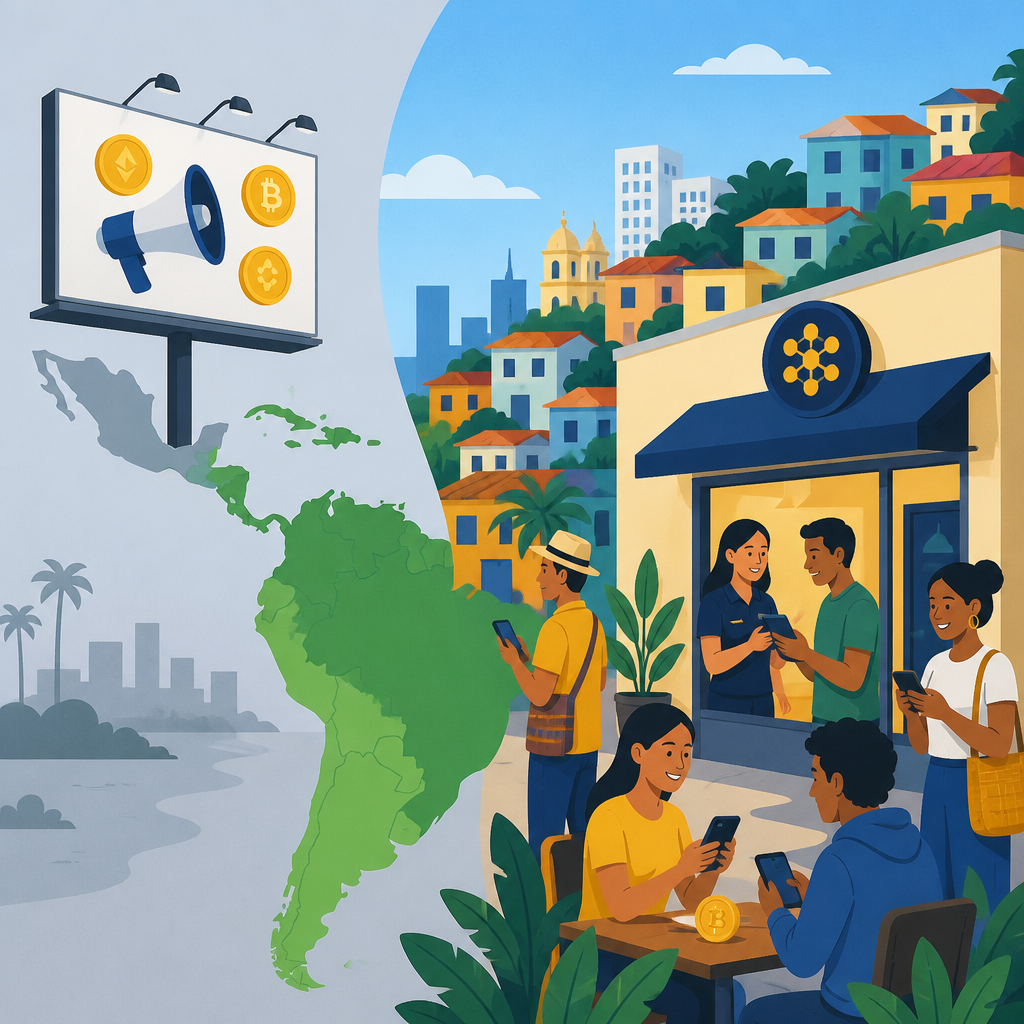
BYDFi’s own framing makes the point plainly. Co-founder and CEO Michael Hung said the priority is to “listen closely, build responsibly, and keep improving a trading experience users can trust over time.” That line matters because it reflects the actual job in LATAM: earn confidence through repetition, education, and visible engagement. A company that wants durable users in the region has to prove it is present, not merely accessible.
Second argument: LATAM is a market for education, not just acquisition
The conference program covered crypto, Web3, trading, AI, fintech, regulation, asset management, and financial education. That mix is the giveaway. LATAM users are not arriving through a single use case. They are entering through many doors at once, and they need context before they can become active traders or long-term customers. Events that combine education with product exposure are a better fit than pure performance marketing.
This is also why the physical booth matters more than it sounds. BYDFi reported steady foot traffic, conversations about trading experience, and on-site interactions with visitors. It also handed out Newcastle United-themed shirts and caps, which is not a trivial detail. Small branded touches create recall, but the larger value is that the company stayed in the room long enough to answer practical questions about access, usability, and trading tools. That is how a platform moves from being known to being considered.
The counter-argument
The strongest objection is simple: conferences are expensive, noisy, and hard to measure. A booth in Lima does not automatically convert into deposits, active traders, or retention. A company can spend heavily on travel, sponsorships, and swag while still failing to improve the product. Critics are right to say that presence alone is not strategy.
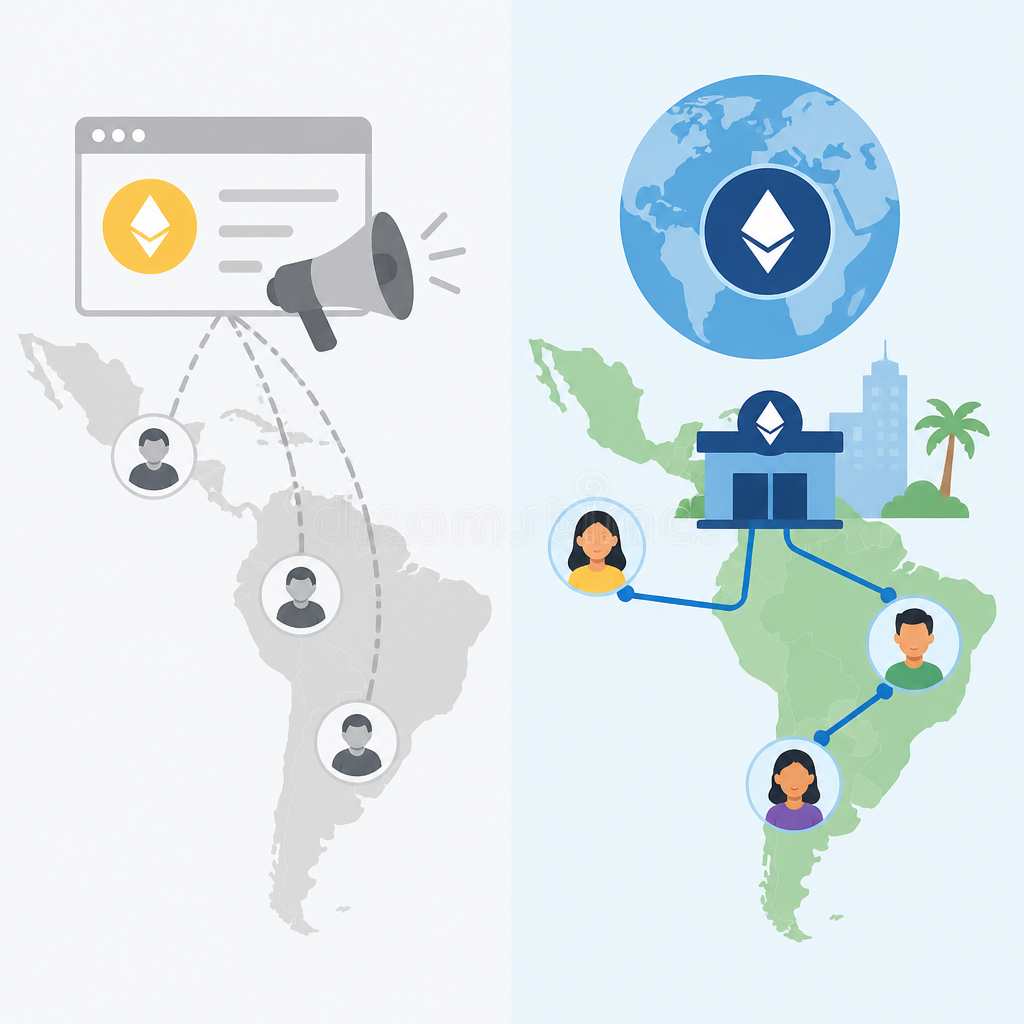
That objection is valid, but it misses the role these events play in a market like LATAM. Conferences are not a replacement for product quality, local support, or regulatory discipline. They are the front door to all three. In a region where regulation, financial education, and access are part of the same conversation, direct engagement is not vanity spending. It is market research, brand validation, and user education in one place. The limit is clear: if the platform cannot back up the booth with reliable execution, the event becomes empty theater.
What to do with this
If you are a founder or product leader, treat LATAM as a relationship market. Show up at the conferences that matter, but measure success by what happens after the event: demo requests, support questions answered, local partnerships formed, and users who stay active. If you are an engineer or PM, build for the questions people ask in the room: onboarding clarity, stable execution, transparent fees, and language support. In LATAM, trust is not claimed in a campaign. It is accumulated in public.
// Related Articles
- [CHAIN]
UAE Web3 setup turns crypto rules into a checklist
- [CHAIN]
Five AI Futurist features shaping Futurist 2026
- [CHAIN]
Regulation Now Moves Bitcoin and Ethereum More Than War
- [CHAIN]
The SEC Crypto Rule Proposal Will Clean Up Crypto, Not Kill It
- [CHAIN]
Web3 platforms need fee discipline, not token theatrics, to make money
- [CHAIN]
Riyadh’s blockchain show proves Web3 is now infrastructure