Why IBM’s Bob proves enterprise AI needs a harder test
IBM’s Bob shows enterprise AI only matters when it survives real workflows, security scrutiny, and pricing pressure.
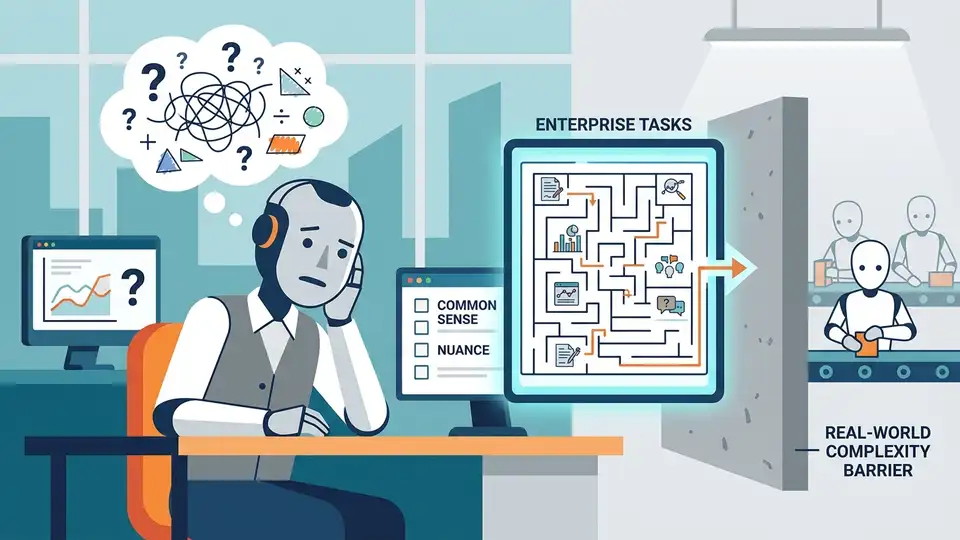
IBM’s Bob is a real test of whether enterprise AI can survive production workflows, security, and cost.
IBM should not be applauded for shipping Bob as a generic AI coding partner; it should be judged on whether Bob survives the brutal reality of enterprise software, where technical debt, weak documentation, and security risk matter more than demo-day productivity claims. IBM says its own teams saw an average 45 percent productivity gain across complex workflows, but that number only matters if it holds up outside a controlled internal rollout and across the messy systems customers actually run.
First argument: internal wins are not the same as customer value
Get the latest AI news in your inbox
Weekly picks of model releases, tools, and deep dives — no spam, unsubscribe anytime.
No spam. Unsubscribe at any time.
IBM’s headline proof comes from its own 80,000 employees, which is exactly the wrong place to stop testing a product that will be sold as an enterprise platform. Internal dogfooding can surface obvious flaws, but it also creates a favorable environment: staff know the systems, leadership wants the tool to succeed, and the organization can absorb the friction of a new workflow. That is useful evidence, not decisive evidence.
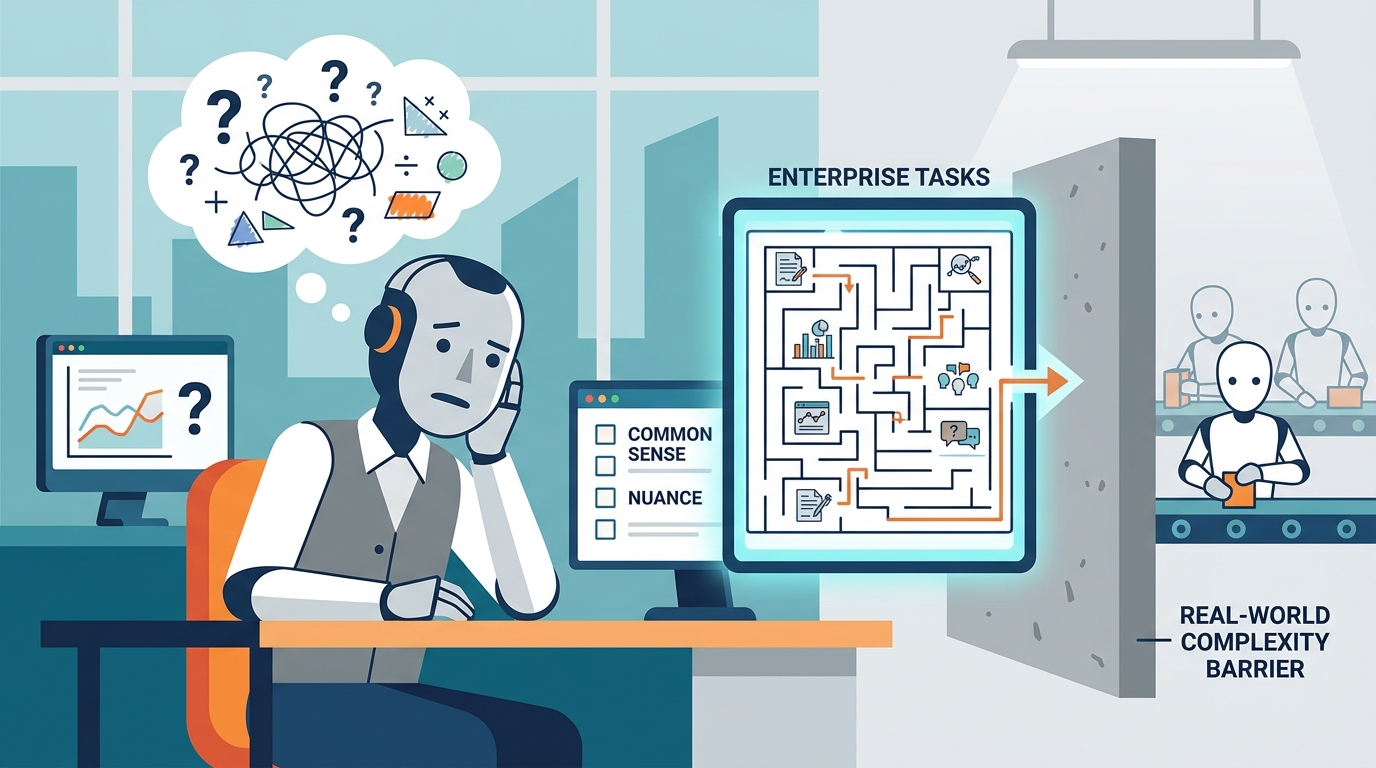
The company’s own examples reveal the gap. IBM points to gains on its RevTech platform, including “10x project-based ROI,” 300,000 payloads automated in testing, and monitoring built in hours instead of months. Those are impressive numbers, but they are also the kind of numbers that can be made to shine when a vendor controls the environment, the metrics, and the narrative. A product that works inside IBM still has to prove it can handle the far less curated world of a bank’s mainframe estate or a manufacturer’s legacy estate.
Second argument: the real product is security, not autocomplete
IBM is right to frame Bob as more than code generation. Its pitch includes discovery, planning, design, coding, and testing, plus security controls that claim to catch risks traditional systems miss, from prompt injection to unintended data exposure. That is the correct direction for enterprise AI, because the value of these tools is not that they write code faster, but that they reduce the time and uncertainty around changing old systems safely.
But IBM has already shown why this is hard. In January, researchers found Bob could be manipulated into executing malware through the CLI, and its IDE was exposed to common AI-specific data exfiltration vectors. That matters more than any benchmark because enterprise buyers do not purchase coding assistants in a vacuum; they buy them into environments where one bad suggestion, one poisoned prompt, or one leaky context window can become a real incident. If Bob is to earn trust, security cannot be a feature layered on top. It has to be the product.
The counter-argument
The strongest defense of Bob is that enterprise software has always required a long trust-building cycle, and IBM is doing the sensible thing by starting with its own people before pushing the platform outward. Mainframe customers are not buying a toy. They are buying a tool for systems of record, where knowledge is aging out, documentation is thin, and the people who understand the code are often near retirement or already gone. In that setting, even a partial productivity gain is valuable, because the alternative is stagnation.

There is also a legitimate pricing and model-selection argument. IBM says Bob combines frontier LLMs, open-source models, small language models, and its Granite family to choose the right model for the task. That multi-model approach may reduce user friction and avoid the paralysis that comes from switching tools for every job. If the platform can route work intelligently and keep costs predictable, it addresses two of the biggest problems in enterprise AI: tool sprawl and runaway inference bills.
That counter-argument still does not rescue the hype. Internal adoption, especially at IBM scale, is a necessary proof point, not a sufficient one. The 45 percent productivity claim is interesting, but the more important question is whether Bob lowers total cost of change once security reviews, model bills, integration work, and human oversight are included. IBM is selling a premium package for Z, yet customers are currently getting only a no-cost private preview. That is the right sequence for a cautious launch, and it also admits the truth: the product is not proven until paying customers run it against their hardest workloads.
What to do with this
If you are an engineer, PM, or founder, treat enterprise AI coding tools as workflow infrastructure, not magic. Demand proof on three axes: measurable output on real systems, security behavior under adversarial conditions, and full cost per successful change, including review and cleanup. If a vendor only shows internal adoption or isolated productivity wins, push back. The only number that matters is whether the tool helps teams ship safer changes faster on the systems that actually pay the bills.
// Related Articles
- [IND]
WebX 2026 turns speaker hype into a conference brief
- [IND]
AI Weekly: 2026-07-06 ~ 2026-07-13
- [IND]
The AI Act should be treated as Europe’s operating system for AI
- [IND]
Booz Allen’s OpenAI Deal Is Real Advantage, Not Hype
- [IND]
OpenSearch’s vector search benchmark in 5 parts
- [IND]
Vector Databases That Work in Production