Why Anthropic and the Gates Foundation should fund AI public goods
Anthropic and the Gates Foundation are right to put $200 million into AI public goods for health and education.

Anthropic and the Gates Foundation are right to put $200 million into AI public goods for health and education.
Anthropic and the Gates Foundation are making the right bet: AI funding should go to public goods in health and education, not just to tools that boost private margins. A $200 million partnership aimed at these sectors is not a side project or a charity gesture. It is a direct answer to where AI can do the most durable good, especially when the stakes are measured in clinic time, teacher workload, and access to basic services.
AI public goods beat narrow product bets
Get the latest AI news in your inbox
Weekly picks of model releases, tools, and deep dives — no spam, unsubscribe anytime.
No spam. Unsubscribe at any time.
Health and education are full of repetitive, high-friction tasks that drain human attention. Drafting patient instructions, summarizing records, translating learning materials, and supporting administrative workflows are all examples where AI can reduce waste without replacing the human judgment that matters. When a model helps a nurse spend more time with patients or helps a teacher spend more time teaching, the value is public, not just commercial.
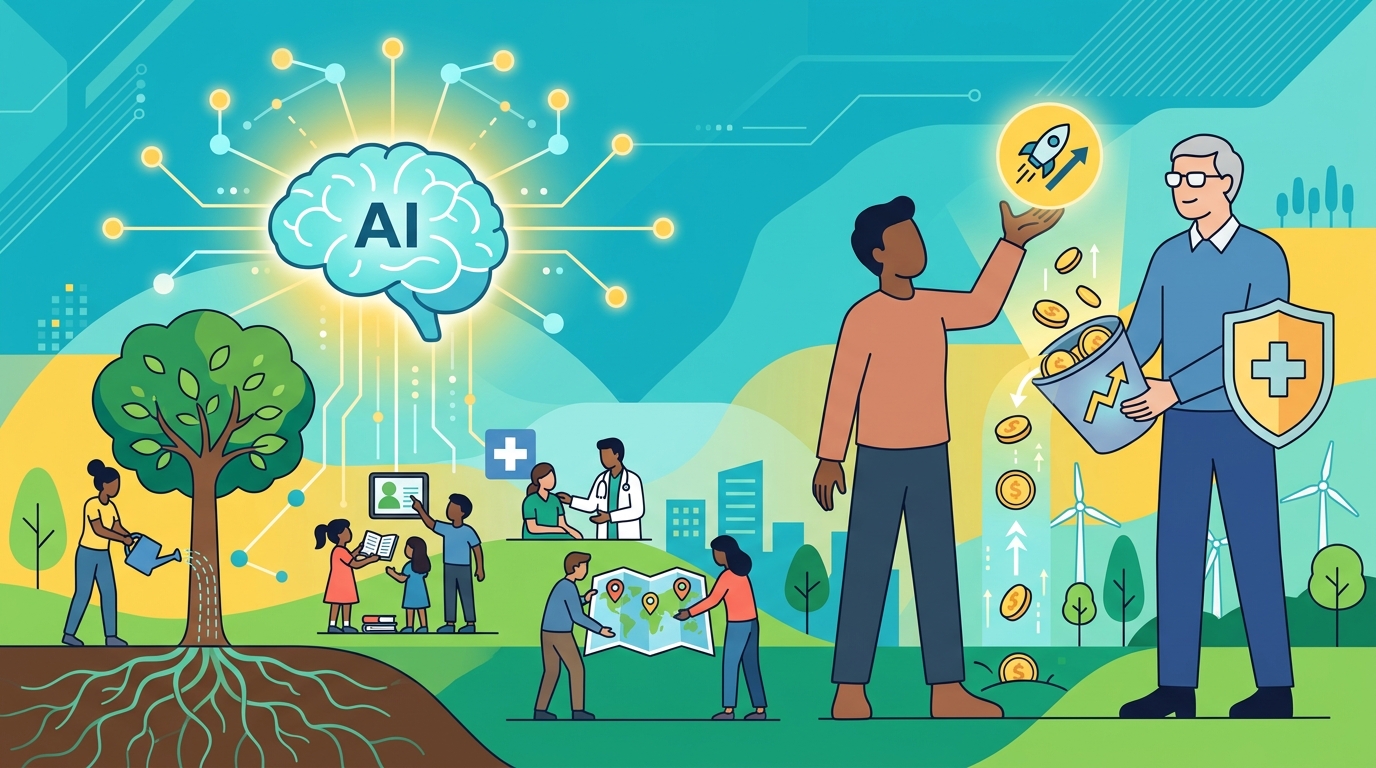
The strongest case for this partnership is that it treats AI as infrastructure. Public goods in AI are underfunded because the payoff is diffuse: better workflows, safer deployment, broader access, and lower costs that do not show up as a single vendor’s revenue line. That is exactly why philanthropy and frontier labs should step in. If they leave this work to the market alone, the result is predictable: premium products for wealthy institutions and weak tools for everyone else.
Health and education are the right test beds
These sectors expose whether AI can deliver real value under constraints. In health, models must contend with privacy, accuracy, workflow integration, and the cost of mistakes. In education, they must support learning without turning classrooms into spam factories or surveillance zones. If AI can be useful here, it can be useful almost anywhere. If it fails here, the hype around general-purpose deployment deserves a hard reset.
There is also a practical reason to start here: both sectors have massive scale and chronic staffing pressure. Even modest gains compound. A system that cuts documentation time for clinicians or reduces prep time for educators creates capacity that money alone cannot buy. The partnership’s focus on health and education signals discipline. It says the goal is not flashy demos, but measurable relief in places where institutions are already overloaded.
The counter-argument
The best objection is that $200 million is too small to matter and too easy to waste. AI in health and education is littered with pilots that look useful in a press release and disappear when procurement, regulation, and maintenance arrive. Critics will also say that foundation-backed projects can become well-intentioned experiments that never scale, while the real breakthroughs happen inside large companies chasing product-market fit.
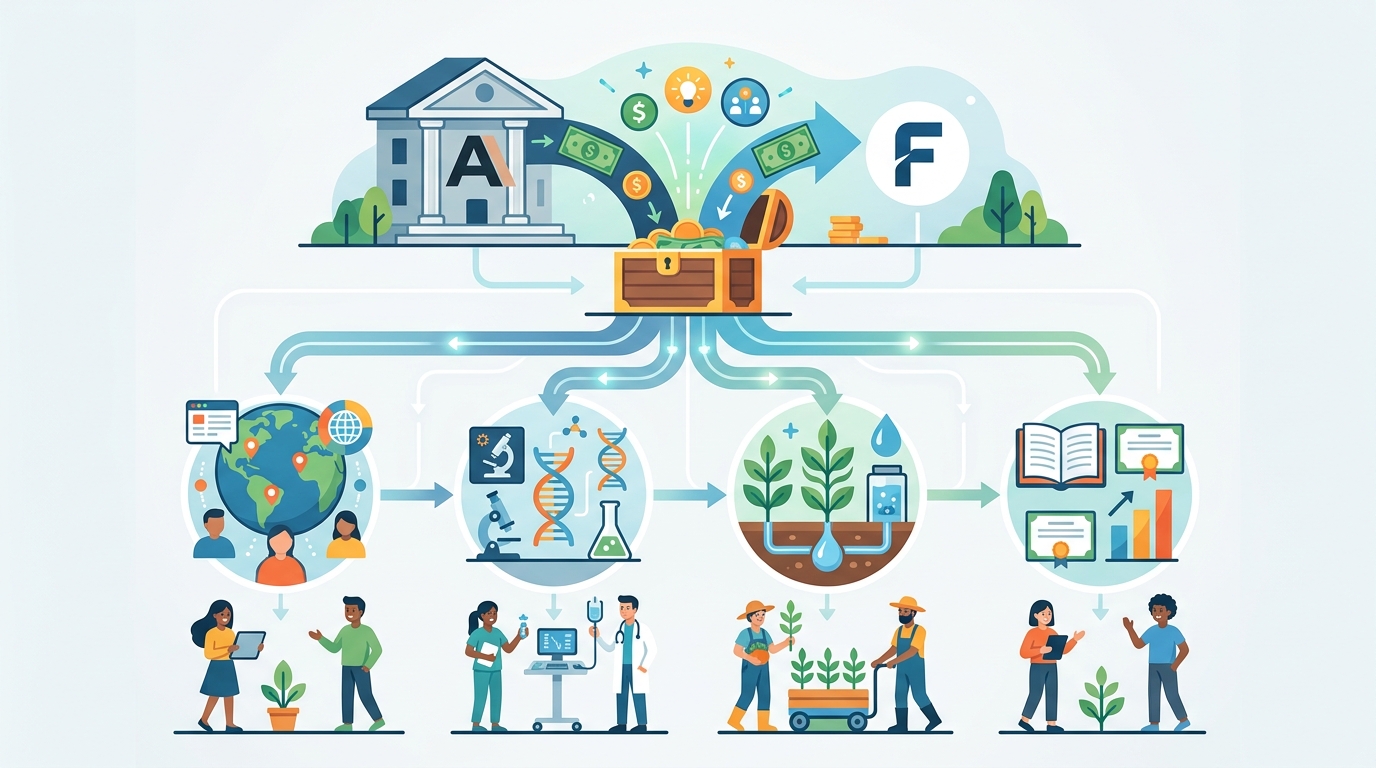
That critique is fair up to a point. Public goods work does fail when it is vague, slow, or disconnected from actual users. But that is not an argument against the partnership. It is an argument for ruthless focus. A concentrated fund can support open tools, evaluation benchmarks, deployment support, and domain-specific integrations that the market underserves. The right measure is not whether every project becomes a unicorn. It is whether schools, clinics, and nonprofits get AI they can actually trust and use.
What to do with this
If you are an engineer, build for workflows, not demos, and measure whether your system saves time without adding risk. If you are a PM, define success in terms of adoption by real institutions, not feature count. If you are a founder, stop chasing generic copilots and look for the unglamorous gaps where public-sector and nonprofit users need reliable AI the most. This partnership is a reminder that the most defensible AI products are often the ones that solve boring, expensive problems for people who cannot afford to be wrong.
// Related Articles
- [IND]
WebX 2026 turns speaker hype into a conference brief
- [IND]
AI Weekly: 2026-07-06 ~ 2026-07-13
- [IND]
The AI Act should be treated as Europe’s operating system for AI
- [IND]
Booz Allen’s OpenAI Deal Is Real Advantage, Not Hype
- [IND]
OpenSearch’s vector search benchmark in 5 parts
- [IND]
Vector Databases That Work in Production