OpenAI’s Ona buy adds more reach to Codex
1 acquisition could help OpenAI’s Codex handle longer tasks, as the assistant tops 5 million weekly active users.

OpenAI is buying Ona to give Codex better cloud environments for longer AI coding tasks.
OpenAI’s deal for Ona is a small acquisition with a clear goal: make Codex more useful for longer-running coding work. The move comes as Codex has passed 5 million weekly active users, giving the company a bigger base to improve.
1. Ona’s secure cloud setup
Get the latest AI news in your inbox
Weekly picks of model releases, tools, and deep dives — no spam, unsubscribe anytime.
No spam. Unsubscribe at any time.
Ona builds secure, pre-configured cloud environments where AI agents can access tools, systems, and context. That matters because agents often need more than a prompt and a chat window; they need a place to run, inspect files, and keep state while they work.
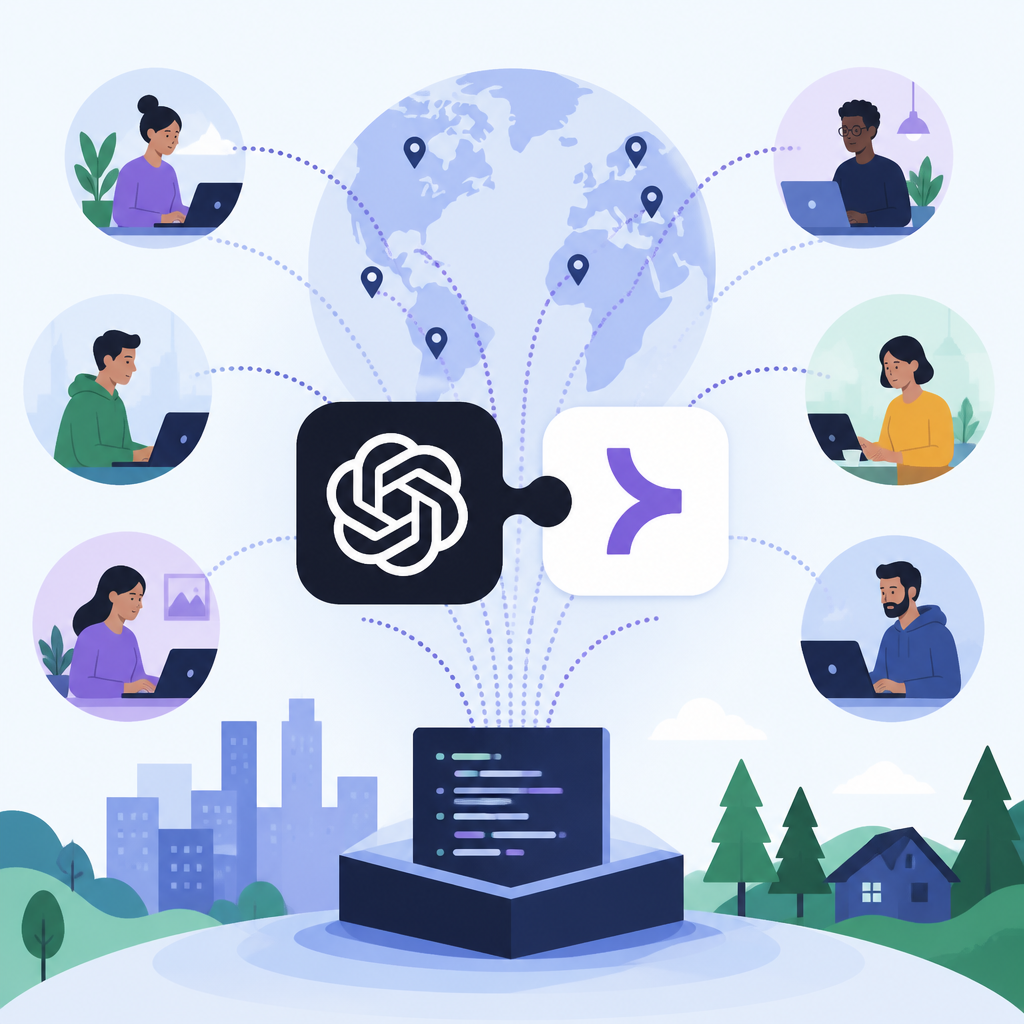
For OpenAI, this gives Codex a more practical runtime for software tasks that stretch beyond a quick response. The result should be fewer dead ends when an agent needs to keep going across multiple steps.
- Secure environments for agents
- Tool access and system context
- Pre-configured cloud setup
2. Longer-running Codex tasks
OpenAI said Ona’s technology will let Codex take on longer-running tasks. That is a direct product benefit, not just a back-end upgrade, because coding work often involves waiting, checking, retrying, and coordinating across files or services.
This kind of support can make Codex more useful for jobs like debugging, multi-file edits, and agent workflows that need persistence. It also helps OpenAI push Codex closer to a tool that can stay active while a developer moves on to something else.
Example task types:
- Multi-step bug fixes
- Repo-wide code changes
- Agent runs that need persistent context
- Deployment checks and follow-up actions
3. A push to get agents into production
OpenAI said the deal should also help more organizations deploy agents into production. That is important because many companies can test AI agents in demos, but far fewer are ready to trust them in live systems with real users and real data.
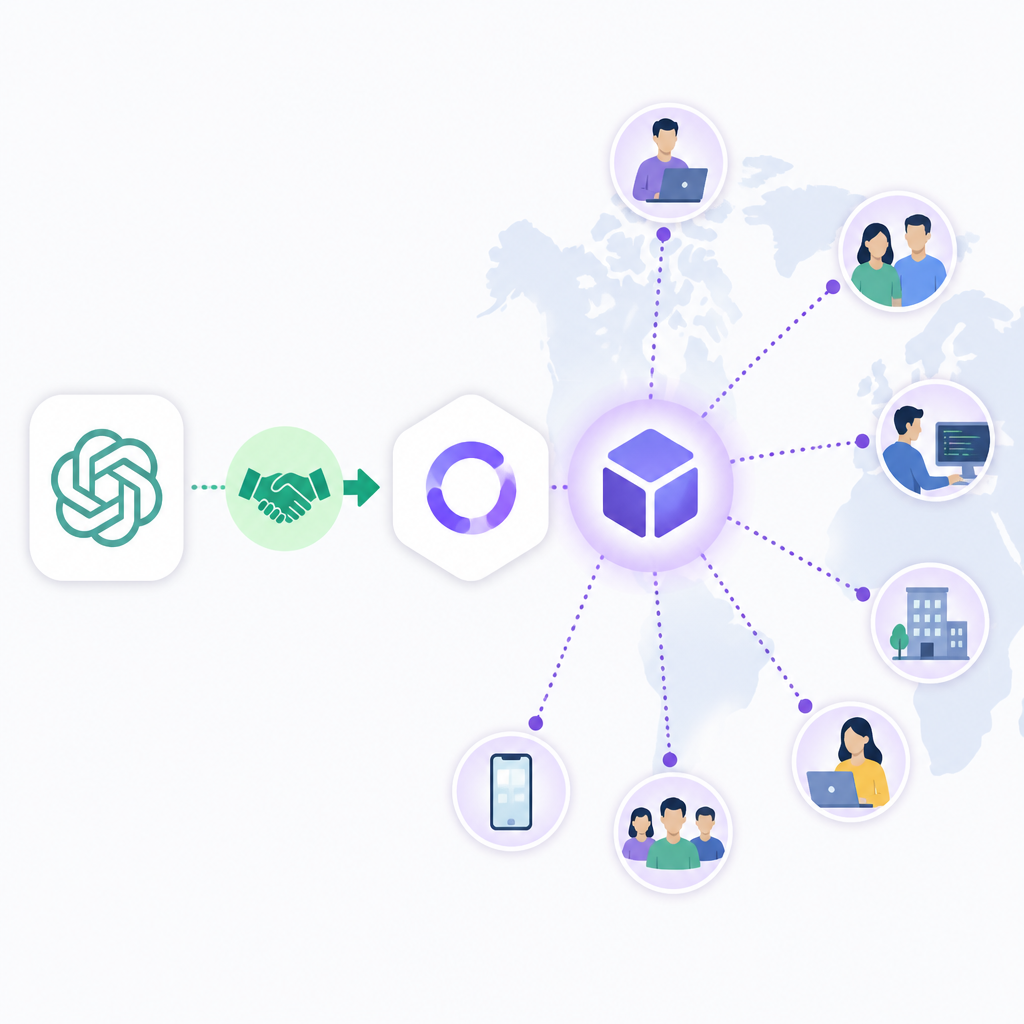
Ona’s infrastructure may lower that barrier by giving teams a controlled environment for agent execution. If that works as planned, OpenAI can sell not just a coding assistant, but a more enterprise-ready agent stack.
- Better fit for enterprise deployments
- More controlled execution environment
- Useful for teams that need repeatable workflows
4. OpenAI’s race with Anthropic
The acquisition also fits a broader competitive fight. OpenAI is racing against Anthropic, which has seen fast growth partly because of its coding assistant, Claude Code. In that market, product depth matters as much as model quality.
OpenAI is trying to keep Codex ahead by improving the parts users feel every day: task length, reliability, and the ability to work inside real development environments. That is a practical response to a rival that has made coding agents a major strength.
5. More deal-making around OpenAI
This is not OpenAI’s first recent purchase. The company has been active on acquisitions as it builds out its product line and tries to stay ahead in AI tools. Earlier deals included Promptfoo, Torch, Software Applications, and the AI devices startup io.
That pattern suggests OpenAI is filling specific product gaps, not just buying for scale. Ona fits that approach because it adds infrastructure that can support a core product rather than a side project.
- Promptfoo for cybersecurity testing
- Torch for health-care tech
- Software Applications for the Sky Mac interface
- io for AI devices
How to decide
If you care most about developer workflows, Ona looks like an infrastructure buy that could make Codex more capable on real software jobs. If you care about enterprise deployment, the deal points to better production readiness for agents.
If you are tracking the AI race, the bigger signal is competitive pressure: OpenAI is spending to keep Codex relevant against Anthropic’s Claude Code and to make agent products stick in daily use.
// Related Articles
- [IND]
A vibe coding workflow keeps AI builds on track
- [IND]
Anthropic’s suspension turns AI release into policy
- [IND]
Helix brings $10B to AI infrastructure buildouts
- [IND]
DOE should turn its land into AI infrastructure fast
- [IND]
Xiaomi MiMo Code tops Claude Code on 200-step tasks
- [IND]
The US should set tokenization rules now, or lose the market