The US should set tokenization rules now, or lose the market
The United States must write clear tokenization rules now or watch the market infrastructure move overseas.

The United States must write clear tokenization rules now or watch the market infrastructure move overseas.
Tokenization is not a side project for finance; it is the next infrastructure layer, and the United States will lose the chance to shape it if regulators keep stalling.
The evidence is already visible. BlackRock’s BUIDL fund made tokenized Treasuries a real institutional product, JPMorgan has processed hundreds of billions of dollars in blockchain-based repo transactions, and banks from Citi to Wells Fargo have tested shared-ledger settlement with the Federal Reserve of New York and Swift. This is not theory. It is capital markets beginning to move onto programmable rails while Washington still debates which bucket the technology fits into.
Tokenization will modernize market plumbing, not rewrite the asset itself
Get the latest AI news in your inbox
Weekly picks of model releases, tools, and deep dives — no spam, unsubscribe anytime.
No spam. Unsubscribe at any time.
The strongest case for tokenization is operational, not ideological. A tokenized Treasury bond is still a Treasury bond. A tokenized share of a real estate fund is still the same claim on the same underlying asset. What changes is the rail: ownership records, transfer logic, settlement, and compliance can move onto shared infrastructure that is faster and easier to reconcile than the batch-processing systems finance still relies on today.
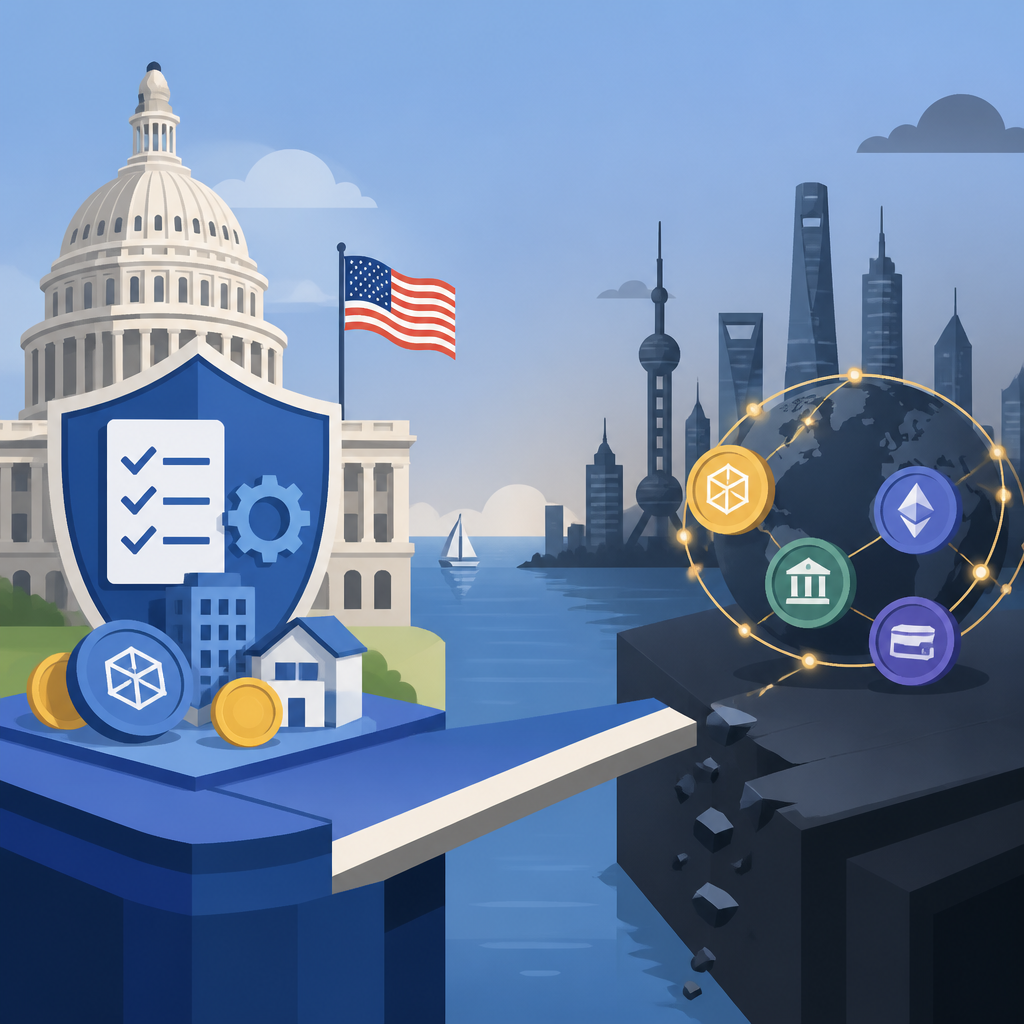
That matters because the current system is full of friction that everyone has learned to tolerate. Stock-sale proceeds often take until the next business day to settle. Transfers run into cut-off times, weekends, and handoffs between institutions. Tokenization can compress those delays, reduce duplicate recordkeeping, and lower administrative costs. In a market where speed and certainty drive competitiveness, that is not a cosmetic upgrade. It is a structural one.
Regulatory ambiguity does not stop innovation; it exports it
Washington often acts as if delay is neutrality. It is not. Europe, Singapore, and the UAE are actively building tokenized market infrastructure inside their borders, and they are doing it with clearer policy pathways than the United States. When regulators leave firms guessing, the firms do not wait politely for a memo. They build where the rules are legible.
The practical cost is that the next generation of capital markets infrastructure can be designed abroad and then imported back into the U.S. on someone else’s terms. That is the wrong outcome for a country that built the electronic trading systems that made its markets the deepest and most competitive in the world. If the U.S. wants to keep that edge, it has to offer workable rules before foreign jurisdictions set the standard by default.
Applying old intermediary rules to neutral infrastructure is a category error
The most serious mistake regulators can make is to treat blockchain rails like the intermediaries they replace. Securities laws are built around custody, control, and discretion. That works when a broker, custodian, or clearing firm holds customer assets and makes decisions on their behalf. It does not work when the system is a validator set, a smart contract, or noncustodial software that simply executes rules written into code.
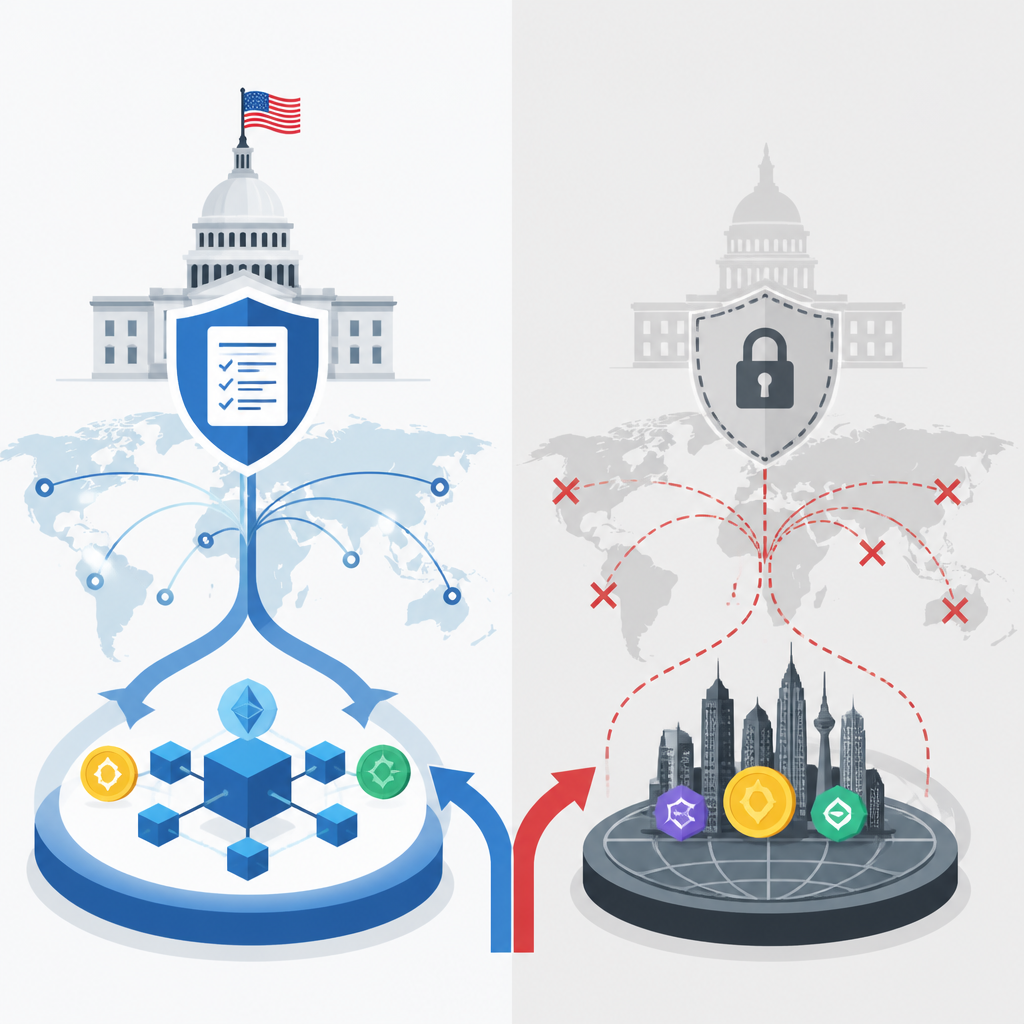
That distinction is not academic. Citadel Securities has argued that public, permissionless blockchain rails underlying tokenized markets should be regulated like traditional financial intermediaries. Blockchain Association’s response is the stronger one: if a system has no custody and no discretionary control, forcing it into an intermediary framework imposes obligations it cannot satisfy. The result is not better investor protection. It is a regulatory dead end that freezes neutral infrastructure before it can mature.
The counter-argument
The best objection is straightforward: tokenization touches regulated assets, so regulators should move slowly and preserve the existing regime until the risks are fully understood. That caution is not irrational. Financial markets are built on trust, and new plumbing can create new failure modes, from smart-contract bugs to operational concentration in a few dominant platforms. Regulators also have a duty to prevent hype from outrunning consumer protection.
There is also a political reality here. Incumbent institutions are not always wrong when they warn against a rush to rewrite rules. Legacy systems exist because they have been stress-tested through crises. A regulator who ignores that history can create a market that looks efficient in the lab and fragile in the wild.
But caution is not the same thing as paralysis, and the U.S. has tools that fit this moment. Exemptive relief, no-action letters, and iterative pathways let regulators supervise real activity without forcing every new system into an outdated category. The limit is clear: tokenization should not be allowed to bypass investor protections. The mistake is insisting that the only safe path is to make neutral infrastructure behave like a broker-dealer. That choice protects incumbents more than investors, and it hands the future to jurisdictions willing to regulate the technology as it actually operates.
What to do with this
Engineers and founders building tokenized products should design for regulatory legibility from day one: separate custody from execution, document control points, and make compliance functions auditable in code and in operations. Product managers should frame tokenization as infrastructure modernization, not crypto branding, because the winning argument is lower friction, faster settlement, and cleaner recordkeeping. And policymakers should stop asking whether tokenization is real and start writing rules that let responsible systems launch in the United States before the market standard is set somewhere else.
// Related Articles
- [IND]
Anthropic’s suspension turns AI release into policy
- [IND]
Helix brings $10B to AI infrastructure buildouts
- [IND]
DOE should turn its land into AI infrastructure fast
- [IND]
Xiaomi MiMo Code tops Claude Code on 200-step tasks
- [IND]
OpenAI’s Ona buy adds more reach to Codex
- [IND]
SEC Rule Changes Could Unlock Tokenized Stocks