Why AI-Orchestrated System Design Will Reshape Industrial Automation …
AI-orchestrated system design is the right direction for industrial automation because it compresses commissioning cycles, catches logic errors before hardware exists, and makes engineering more standard across teams and sites.
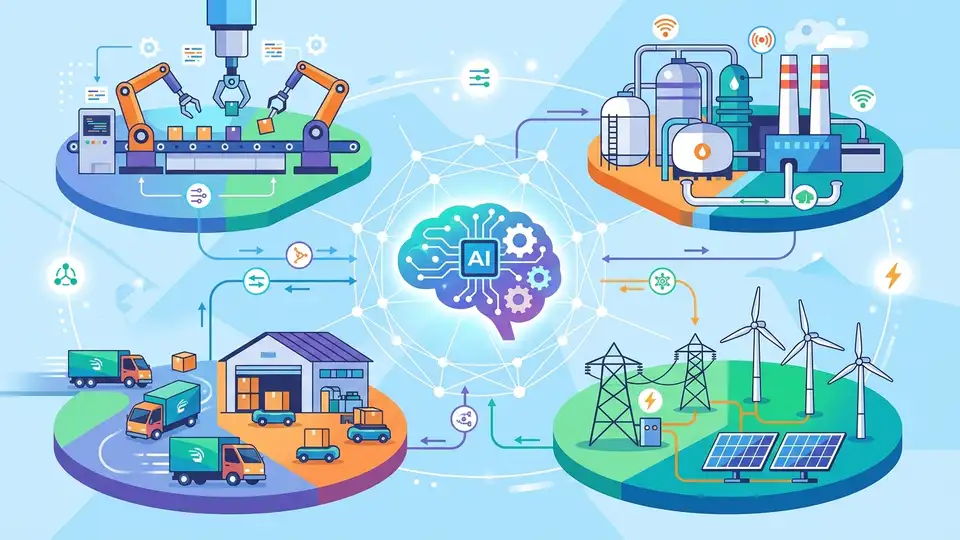
First argument: virtual validation beats late-stage discovery
Get the latest AI news in your inbox
Weekly picks of model releases, tools, and deep dives — no spam, unsubscribe anytime.
No spam. Unsubscribe at any time.
Industrial automation has always suffered from the same structural problem: simulation and execution live in different tools, with different assumptions and different owners. That gap is where errors survive. If a PLC program is written after the mechanical model is already settled, the team often discovers mismatches only when the machine is built, wired, and expensive to stop. Rockwell’s workflow attacks that problem directly by pairing Emulate3D with FactoryTalk Design Studio, then using AI to translate design intent into controller logic that can be tested against the digital twin before the first panel is commissioned.
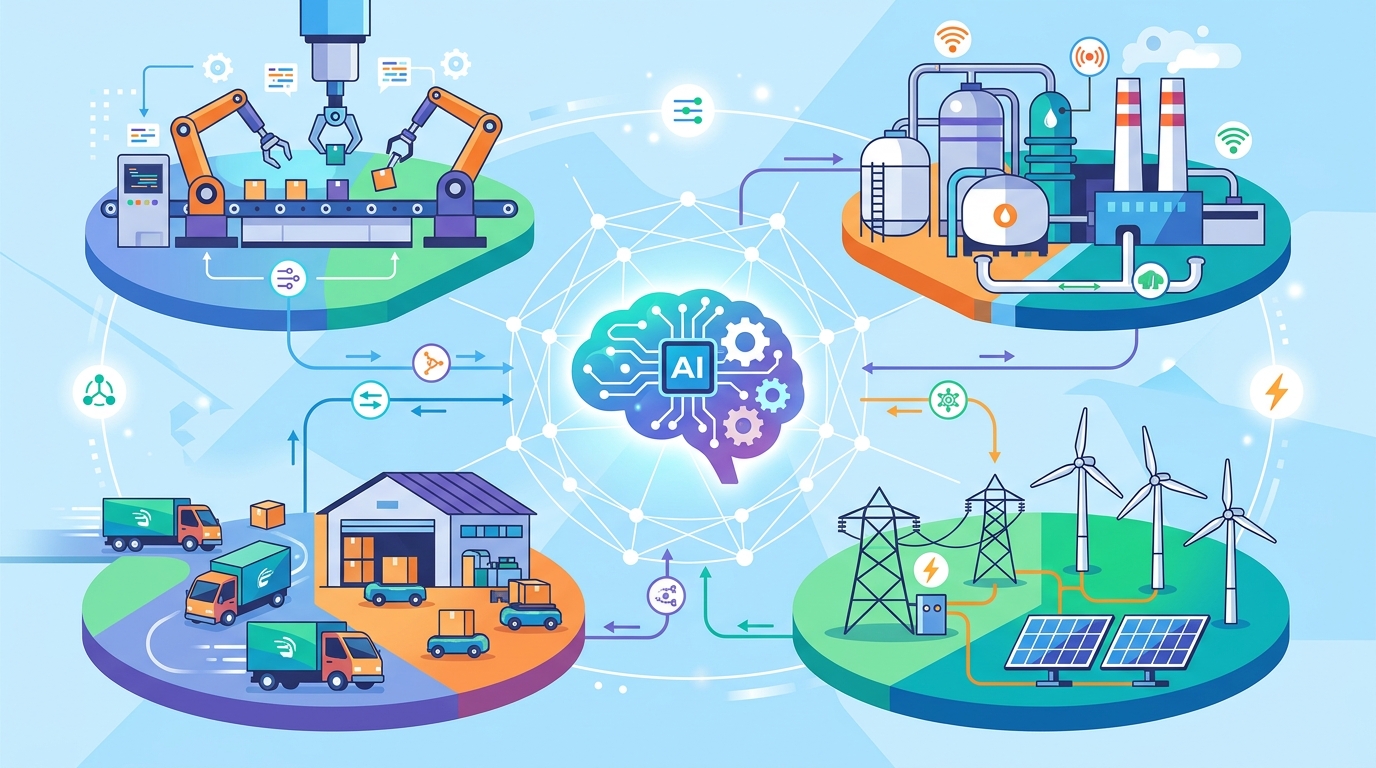
This is not a theoretical productivity story. The article says closed-loop emulation provides measurable verification of system logic, timing, and safety protocols, which is exactly what manufacturers need before site acceptance testing. In practice, that means an engineer can find a bad interlock, a timing conflict, or an unsafe sequence in a virtual environment instead of on the factory floor. The payoff is simple: fewer surprises, less rework, and less risk of physical damage during launch.
Second argument: AI makes industrial engineering more scalable
Manual PLC configuration has always been labor-intensive, and that labor does not scale well across large plants, multiple sites, or global manufacturing footprints. AI changes the economics by turning natural language and structured intent into code and simulation artifacts. The article describes a cloud-based environment where LLMs and autonomous agents can generate structured text or ladder logic from engineering inputs, reducing the need for repetitive hand coding. That is not just convenience. It is a way to standardize how systems are built when teams are spread across regions and levels of expertise.
Standardization matters because industrial automation is full of local variation: one site’s control philosophy drifts from another’s, one integrator writes logic differently from another, and one plant’s tribal knowledge never fully transfers. AI-driven generation anchored to predefined enterprise standards can narrow that drift. In a sector where consistency affects uptime, safety, and maintainability, reducing variation is a real operational advantage, not a marketing slogan.
The counter-argument
The strongest objection is that industrial systems are too safety-critical to trust to AI-generated logic. That concern is legitimate. A bad recommendation in consumer software is annoying; a bad sequence in a manufacturing cell can stop production or create a hazard. Critics will also argue that AI can obscure accountability, because engineers may accept generated code without fully understanding it, and that closed-loop simulation still depends on the fidelity of the model. If the digital twin is wrong, the validation can be wrong too.
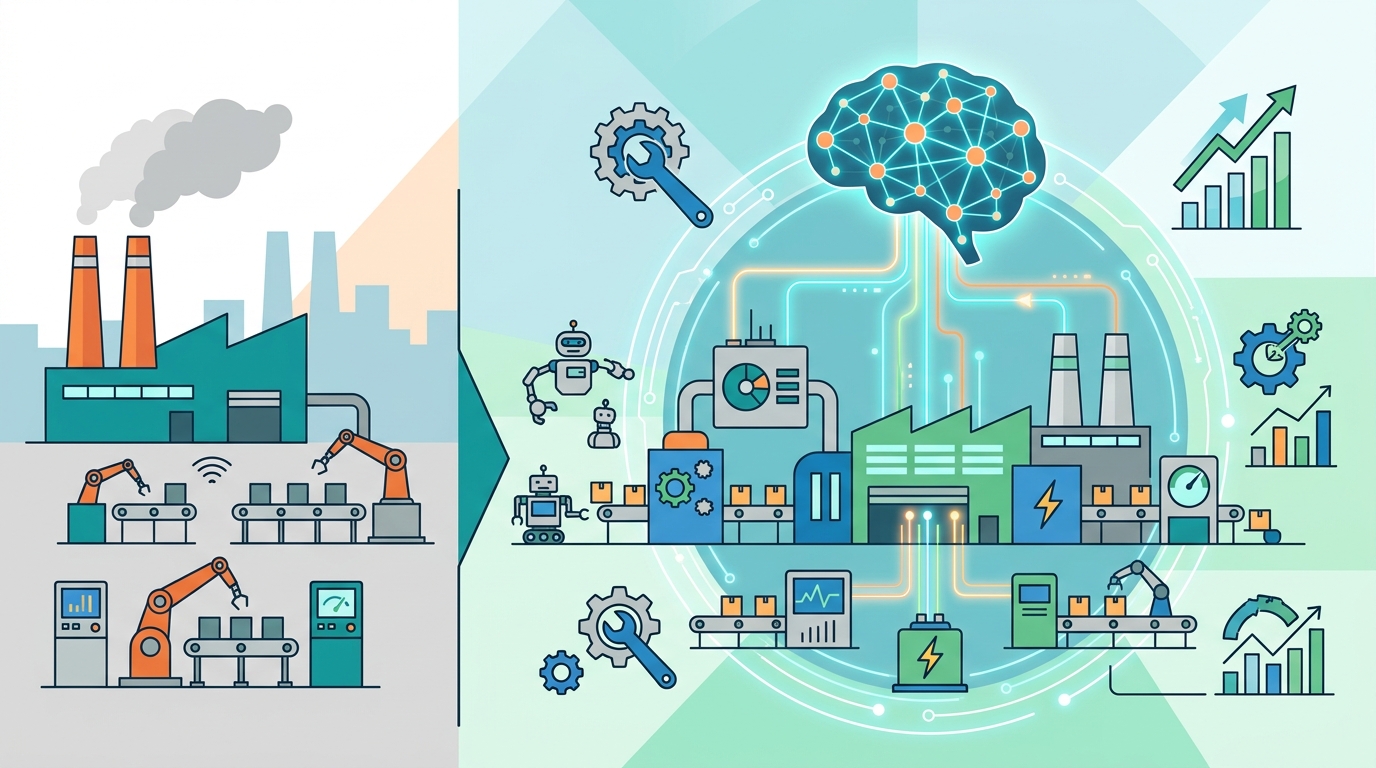
That critique deserves respect because it identifies a real limit: AI should not be the final authority on safety. But it does not defeat the model. It actually defines the right boundary for it. The value of AI here is not autonomous decision-making in the field; it is accelerating design, surfacing defects, and enforcing standards before hardware is live. In other words, the engineer remains responsible, while the AI handles the repetitive verification work that humans are slow at and prone to miss. That is a safer division of labor, not a riskier one.
What to do with this
If you are an engineer, PM, or founder in industrial automation, stop treating AI orchestration as a side experiment and start treating it as a lifecycle discipline. Build your workflow around validated digital twins, define the standards the AI must obey, and require every generated controller project to pass simulation-based verification before commissioning. The winning teams will not be the ones that ask AI to replace engineering judgment. They will be the ones that use AI to compress iteration, reduce commissioning risk, and make high-confidence automation the default rather than the exception.
// Related Articles
- [IND]
WebX 2026 turns speaker hype into a conference brief
- [IND]
AI Weekly: 2026-07-06 ~ 2026-07-13
- [IND]
The AI Act should be treated as Europe’s operating system for AI
- [IND]
Booz Allen’s OpenAI Deal Is Real Advantage, Not Hype
- [IND]
OpenSearch’s vector search benchmark in 5 parts
- [IND]
Vector Databases That Work in Production