Why Anthropic’s finance push is the right move
Anthropic is right to target banks and insurers because finance is where AI agents can prove value fast and at scale.

Anthropic is right to target banks and insurers because finance is where AI agents can prove value fast and at scale.
Anthropic’s deeper push into financial services is the right bet because banks and insurers buy software that saves time, reduces error, and can be measured in dollars within weeks. When a vendor can automate research, drafting, compliance checks, and client support inside a regulated workflow, the value is not abstract. It shows up in fewer manual touches, faster turnaround, and lower operating cost. That is exactly where AI agents belong.
Finance is the cleanest proving ground for agents
Get the latest AI news in your inbox
Weekly picks of model releases, tools, and deep dives — no spam, unsubscribe anytime.
No spam. Unsubscribe at any time.
Banks and insurers run on repetitive knowledge work with high labor costs and clear process boundaries. That makes them a far better proving ground for AI agents than consumer chat or generic office assistants. If an agent can summarize filings, prepare first-pass customer responses, or route documents through review, the gain is immediate and legible to a buyer.

The Reuters report that Anthropic is releasing tools for tasks across banks and insurers matters because it signals a shift from demos to operational software. Finance does not reward novelty. It rewards systems that cut cycle time and keep humans focused on exceptions. A vendor that understands this can build durable product value instead of chasing one-off prompts.
Regulation is not a reason to avoid finance
The usual objection is that finance is too regulated for AI agents to matter. That argument is weak. Regulation does not eliminate the need for automation; it raises the premium on systems that are auditable, constrained, and easy to supervise. In a sector where every workflow already has approval steps, logs, and controls, AI can fit into the process rather than tear it apart.
Anthropic also has a strategic advantage here because trust is part of the product. Financial institutions do not buy the cheapest model. They buy the vendor that can speak the language of governance, security, and human oversight. A company that builds for that environment will earn more than a company that treats finance as just another chatbot market.
Amodei is right about software disruption
CEO Dario Amodei’s warning about further software disruption is not hype, it is a description of what happens when labor-intensive digital work gets compressed by agents. The first wave of impact will not be dramatic code replacement. It will be the steady erosion of entire categories of routine software tasks: triage, drafting, reconciliation, and internal support. That is where budgets are largest and resistance is weakest.
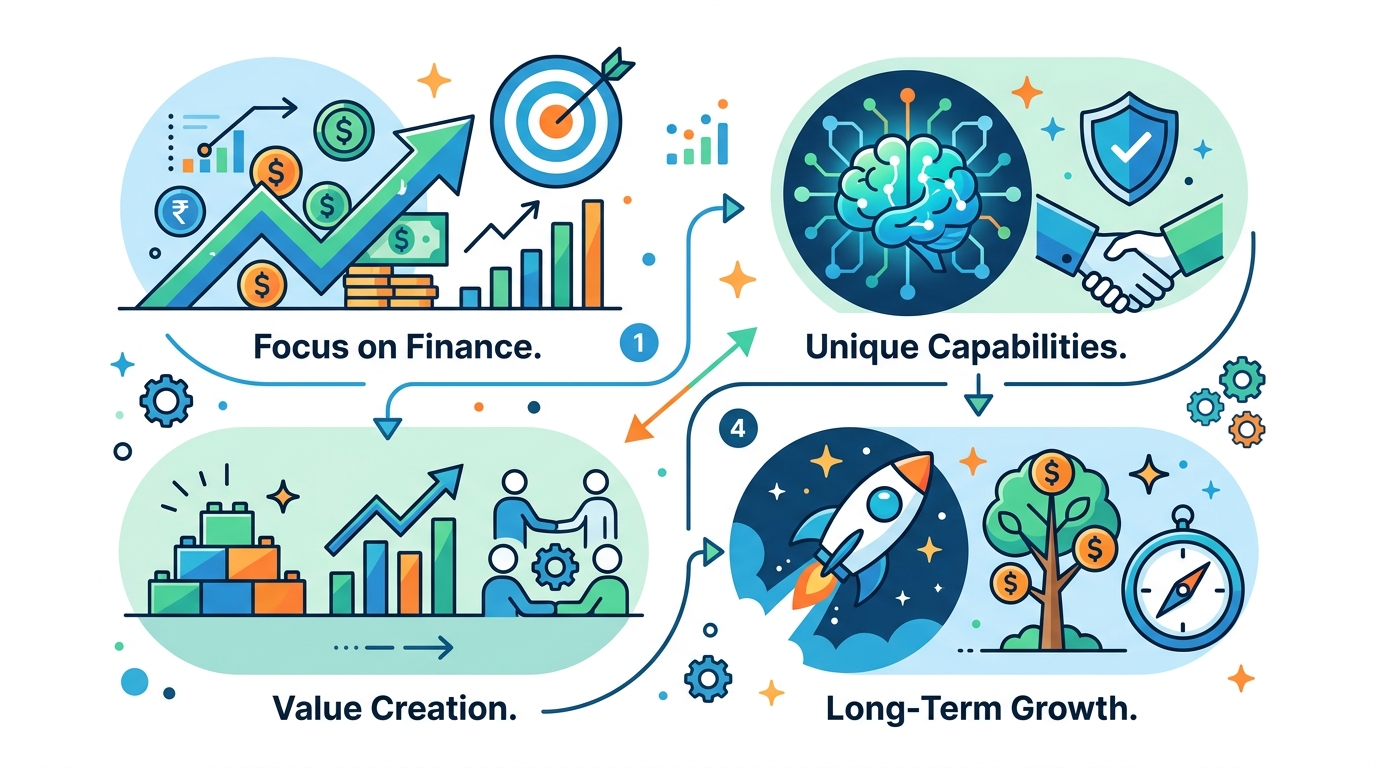
Finance makes that disruption visible because it already spends heavily on software and people to move information from one system to another. If Anthropic can reduce the number of handoffs in underwriting, claims, research, or operations, it is not merely adding a feature. It is changing the economics of the workflow. That is why this push is more than a sales move. It is a statement about where AI value will land first.
The counter-argument
The strongest case against this strategy is that finance buyers are slow, risk-averse, and unforgiving. A single bad answer can damage trust, trigger compliance headaches, or create legal exposure. In that view, Anthropic is walking into a market that will demand more proof, more controls, and more customization than the company can profitably support. There is also the risk that every bank wants a pilot but few want broad deployment.
That concern is real, and it should not be dismissed. Finance is not a market for reckless automation, and any serious vendor will need guardrails, auditability, and clear human-in-the-loop design. But that is exactly why the category is valuable. Hard markets create defensible products. If Anthropic can win here, it can win where reliability matters most, and that credibility will travel into other enterprise sectors.
What to do with this
If you are a founder, stop building generic AI wrappers and start targeting workflows with expensive human review, clear metrics, and regulated handoffs. If you are a product leader, prioritize systems that reduce cycle time without removing accountability. If you are an engineer, design for logs, approvals, and fallback paths from day one. The lesson from Anthropic’s finance move is simple: the best enterprise AI is not the flashiest. It is the one that fits inside a business process and makes that process cheaper, faster, and safer.
// Related Articles
- [IND]
Circle’s Agent Stack targets machine-speed payments
- [IND]
IREN signs Nvidia AI infrastructure pact
- [IND]
Circle launches Agent Stack for AI payments
- [IND]
Why Nebius’s AI Pivot Is More Real Than Hype
- [IND]
Nvidia backs Corning factories with billions
- [IND]
Why Anthropic and the Gates Foundation should fund AI public goods