Why Anthropic’s legal plugins matter more than another chatbot launch
Anthropic’s legal plugins are a real distribution play, not just a product update, and they will pressure legal AI incumbents.
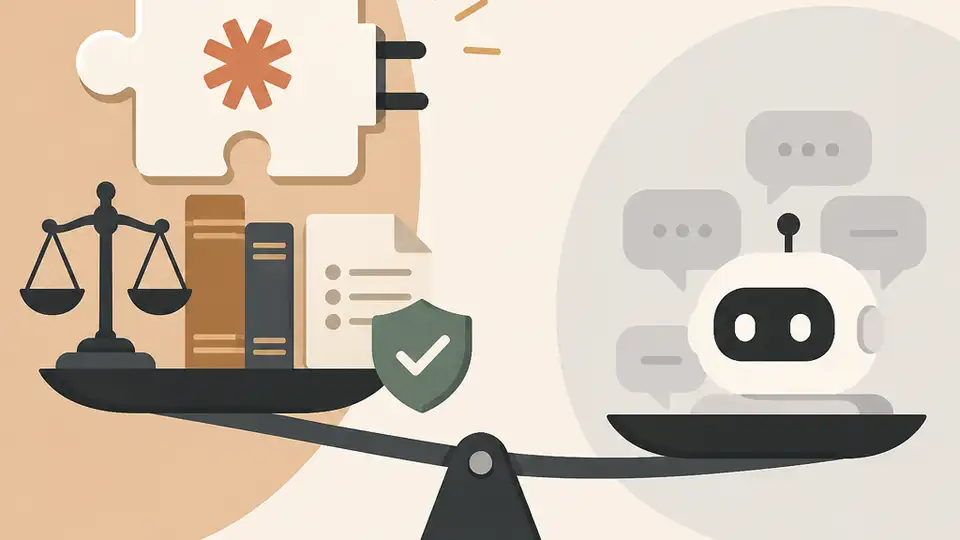
Anthropic’s legal plugins turn Claude into a distribution layer for legal work.
Anthropic is not simply adding features for lawyers; it is trying to become the operating layer for legal work, and that is a smarter move than selling another standalone chatbot. The company has launched 12 practice-area plugins and more than 20 connectors into legal software, from contract tools like DocuSign and Ironclad to research platforms such as Thomson Reuters and Free Law Project. That matters because legal teams do not work in a vacuum. They work inside a stack of document systems, research databases, matter files, and approval workflows. If Claude sits across that stack, it becomes harder to replace, easier to adopt, and far more dangerous to incumbents than a generic AI assistant ever was.
The first argument: Anthropic is attacking the real bottleneck in legal AI
Get the latest AI news in your inbox
Weekly picks of model releases, tools, and deep dives — no spam, unsubscribe anytime.
No spam. Unsubscribe at any time.
The legal market has never had a shortage of software. It has had a shortage of software that fits the way lawyers actually work. Anthropic’s own framing gets this right: legal professionals use a specific technology stack, and Claude now connects into it through MCP connectors and practice-area plugins. That is the point. The bottleneck is not model quality alone. It is context, routing, and integration. A lawyer can ask a model to review an NDA, but if the model cannot pull the playbook, compare the clause library, and push the result into the approval path, it stays a demo.
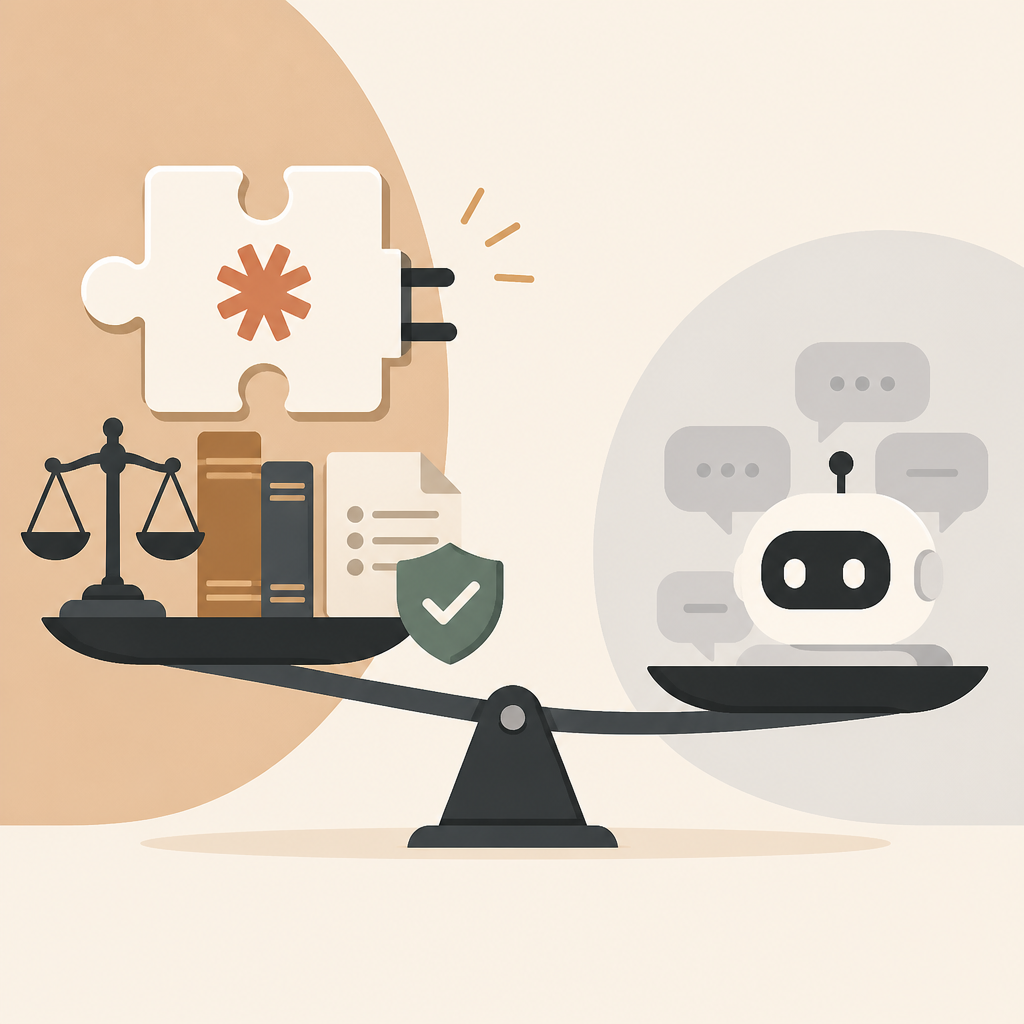
The launch shows Anthropic understands that legal AI adoption is won at the workflow level. The Commercial Legal plugin, for example, is designed to review vendor agreements and NDAs against playbooks and route escalations with a plain-language summary for business stakeholders. That is not a novelty feature. It is a direct answer to a common in-house pain point: lawyers spend too much time translating legal risk into business language. A tool that does that inside the same session where the document lives is more useful than a tool that only chats about it.
The second argument: Anthropic is building a distribution moat, not just a feature set
Partnerships with more than 20 legaltech suppliers are the real story here. When a foundation model vendor connects to Harvey, Solve Intelligence, Definely, DocuSign, Ironclad, Thomson Reuters, and others, it is not merely being “open.” It is inserting itself into the center of the category. That creates a distribution advantage because users start their work in Claude, then fan out into the tools they already trust. Once that behavior becomes habitual, Anthropic owns the front door.
This is exactly why the market reacted so sharply when Anthropic released earlier legal plugins for Claude Cowork and legal information and technology shares fell. Investors understood the threat: if a model company can mediate access to research, drafting, and review tools, then the value capture shifts away from the old software layer. Legaltech incumbents can still matter, but they stop being the default interface. Anthropic does not need to replace every specialist tool. It only needs to control the place where the user begins, and that is enough to reshape the market.
The counter-argument
The strongest objection is that legal work is too sensitive, too fragmented, and too regulated for a foundation model company to become the primary interface. Law firms and in-house teams care about confidentiality, auditability, privilege, jurisdictional nuance, and vendor risk. They also already have entrenched systems of record. A single general-purpose assistant, even one with plugins, does not magically solve governance. It can also increase dependency on one vendor and widen the blast radius if the model misroutes a task or misreads a clause.
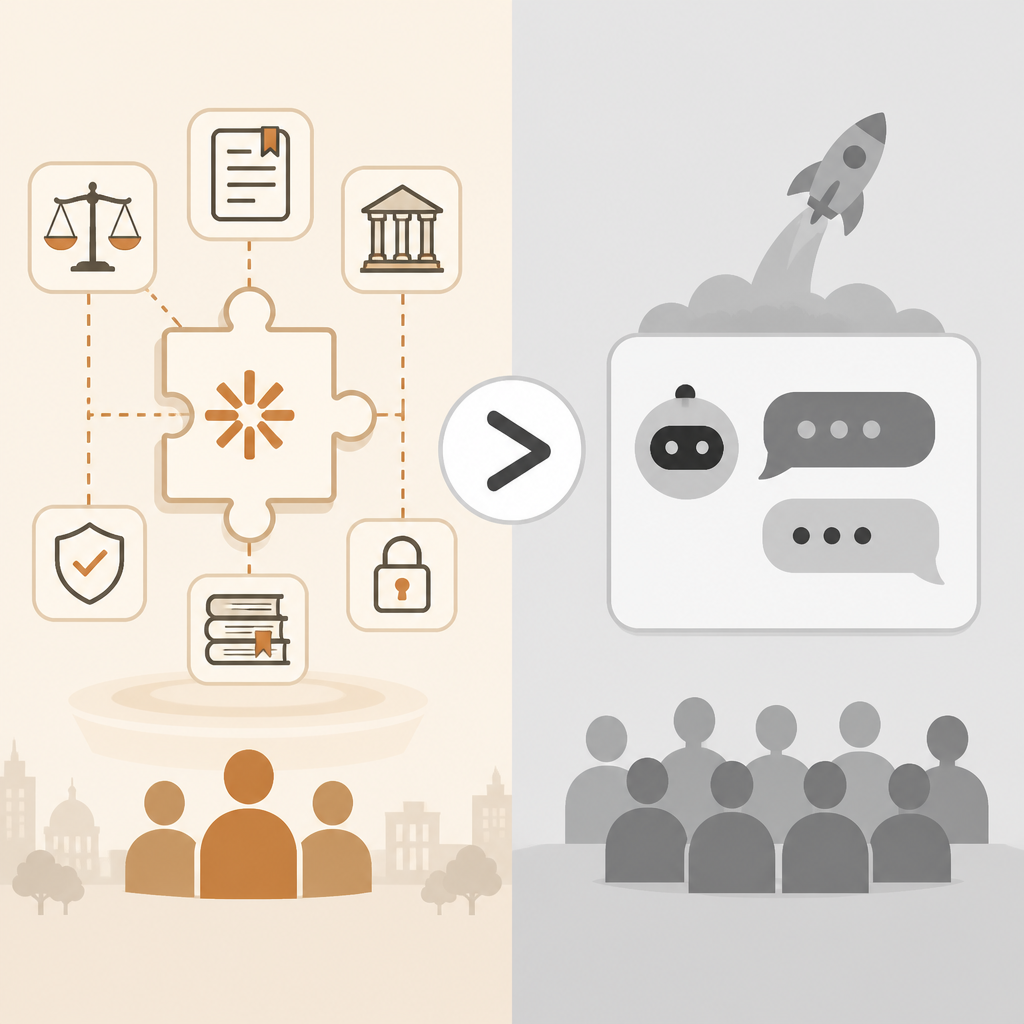
That critique is valid, but it does not defeat Anthropic’s strategy. It only defines the boundary conditions. Legal teams will not hand over final judgment to Claude, and they should not. But they do not need to. What they need is a system that can gather context, draft first passes, surface issues, and move work across tools without forcing lawyers to copy and paste across five interfaces. Anthropic is not promising autonomous lawyering. It is promising workflow compression. In legal tech, that is the prize.
What to do with this
If you are a lawyer, legal ops lead, or product owner, do not evaluate Anthropic as “just another AI vendor.” Treat it as a platform shift and map where your team starts work today. Identify the three highest-friction workflows in contract review, research, or matter intake, then test whether Claude can connect to the systems you already use without weakening governance. The winners in this cycle will not be the teams that chase the flashiest model. They will be the teams that redesign their legal stack around fewer handoffs, tighter context, and clearer accountability.
// Related Articles
- [IND]
WebX 2026 turns speaker hype into a conference brief
- [IND]
AI Weekly: 2026-07-06 ~ 2026-07-13
- [IND]
The AI Act should be treated as Europe’s operating system for AI
- [IND]
Booz Allen’s OpenAI Deal Is Real Advantage, Not Hype
- [IND]
OpenSearch’s vector search benchmark in 5 parts
- [IND]
Vector Databases That Work in Production