Why Anthropic’s small-business push is the right AI bet
Anthropic is right to chase small businesses, because SMB workflows are the next real AI market.
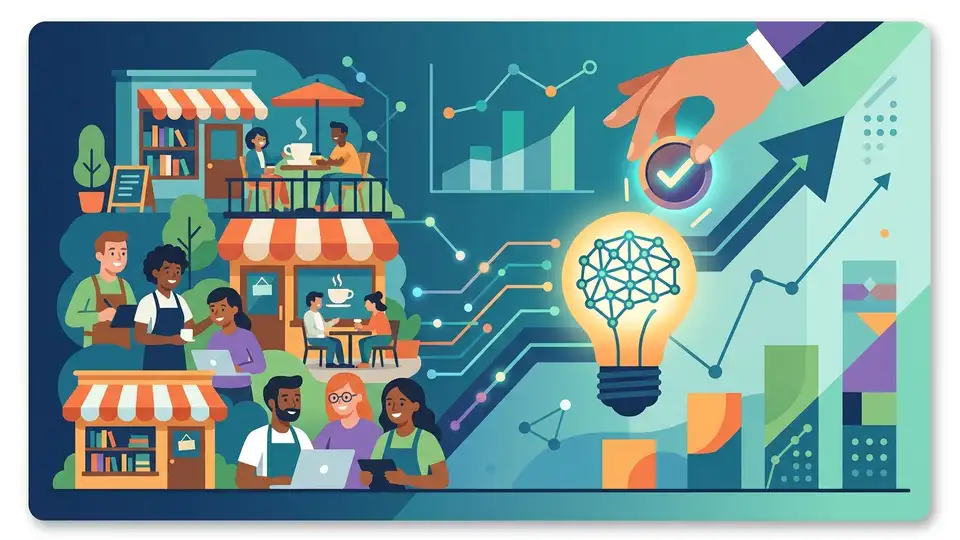
Anthropic is targeting small businesses because SMB workflows are the next real AI market.
Anthropic’s move into small business is the right strategic bet, because the next durable AI revenue will come from owners who need software that saves time, closes work, and plugs into the tools they already use.
Small businesses are the largest untapped AI market
Get the latest AI news in your inbox
Weekly picks of model releases, tools, and deep dives — no spam, unsubscribe anytime.
No spam. Unsubscribe at any time.
Anthropic is not chasing a niche. It is going after the segment that keeps the economy running: the local contractors, retailers, salons, agencies, and restaurants that make up the bulk of business count in the U.S. The company’s own pitch cites small businesses as 44% of U.S. GDP and nearly half of private-sector employment. That is not a side market. That is the market.
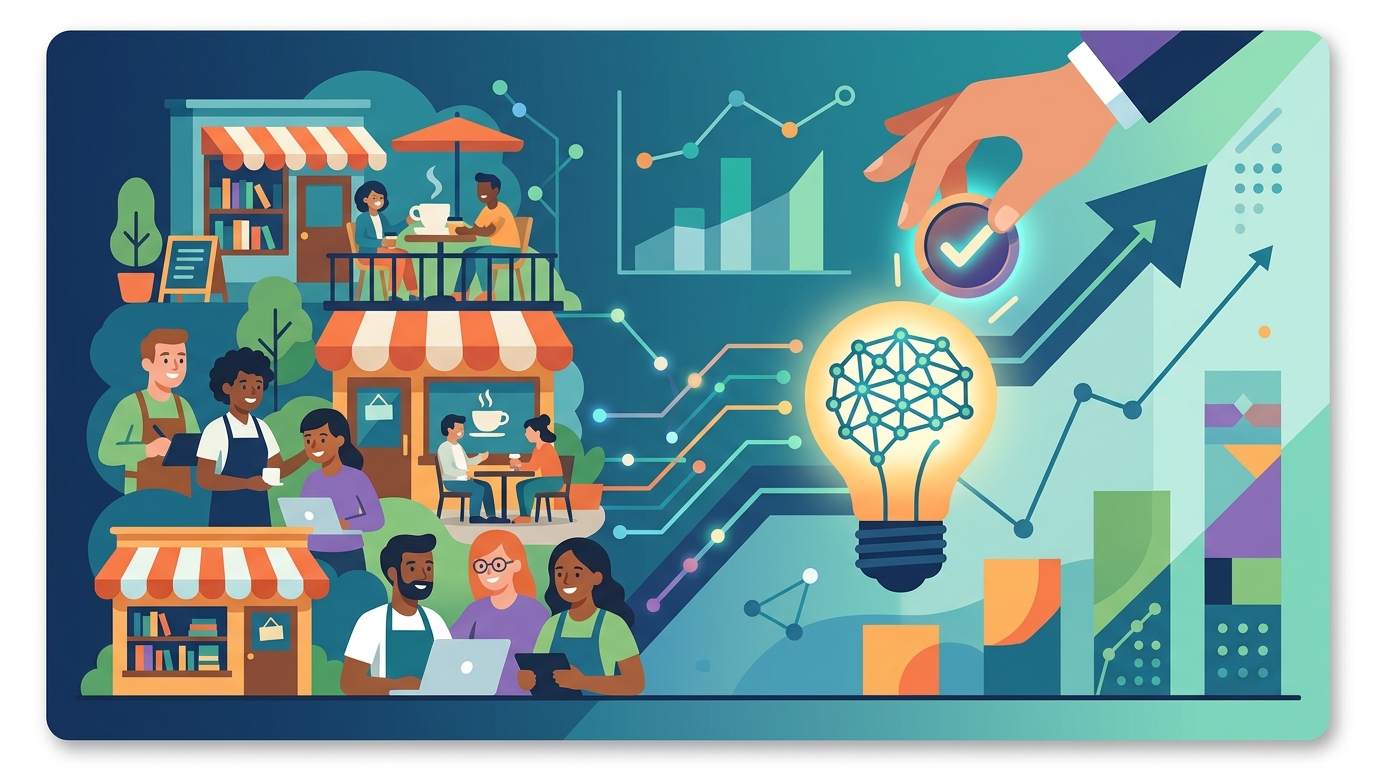
The important detail is not just size, but under-penetration. Enterprise AI adoption has already had its first wave: pilots, security reviews, internal copilots, and workflow experiments at companies with procurement teams and dedicated IT staff. Small businesses, by contrast, have been left with generic chatbots that are useful for drafting text but not for running a business. If Anthropic can turn Claude from a conversation tool into a workflow tool for this group, it can move from novelty to necessity.
Integrations matter more than raw model quality
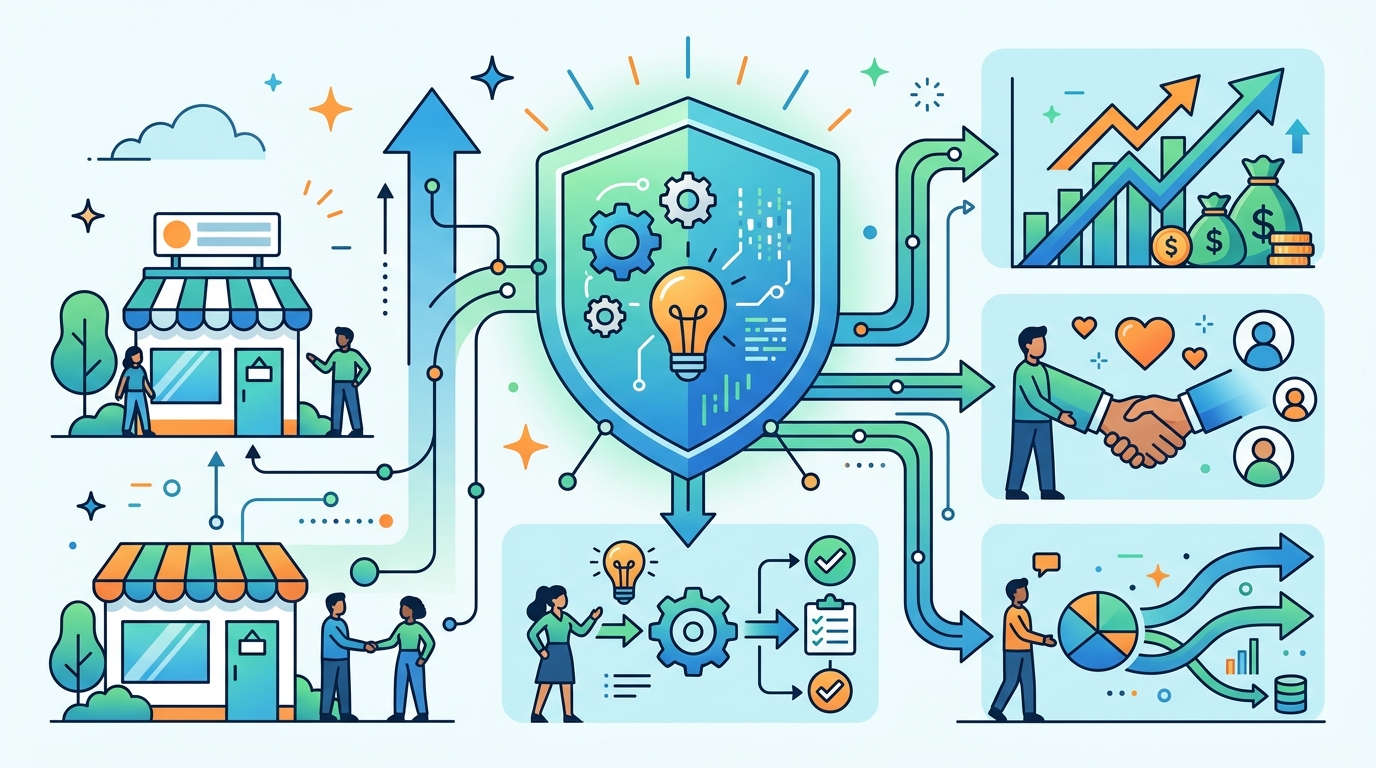
Claude for Small Business is built around connections to QuickBooks, Canva, Docusign, HubSpot, and PayPal, plus task automation through Claude Cowork. That is the correct product shape. Small business owners do not want another tab that writes decent copy. They want software that helps reconcile books, generate ad creative, send contracts, and follow up on leads without forcing them to stitch together five subscriptions by hand.
This is where AI vendors keep making the wrong assumption: they compete as if the model is the product. It is not. The product is the workflow. A model that can draft an email is useful. A model that can draft the email, pull the invoice from QuickBooks, generate the matching Docusign packet, and update HubSpot when the deal closes is worth paying for. Anthropic is betting that SMB buyers will pay for outcomes, not benchmarks, and that is exactly right.
Distribution will decide the winner, not brand prestige
Anthropic also understands that small business adoption is a sales and education problem as much as a technical one. Its coast-to-coast promotional tour, with free workshops for local leaders, is not fluff. It is a distribution strategy. Small business owners rarely buy new software because a lab demo looked impressive. They buy when someone shows them, in plain language, how the tool saves an hour on bookkeeping or helps them launch a better ad campaign this week.
OpenAI got to the business market first with ChatGPT Business and its enterprise push, but first mover advantage is not the same as category ownership. SMB software markets are won through trust, onboarding, and habit formation. If Anthropic can teach owners how to use Claude in the context of real business tasks, it can create stickiness that a generic chat interface never will. The company is not just selling access to a model. It is selling confidence that AI is usable outside the enterprise bubble.
The counter-argument
The strongest case against this strategy is simple: small businesses are harder to monetize. They have lower budgets, higher churn, less technical sophistication, and more sensitivity to monthly software costs. Enterprise customers sign larger contracts and tolerate longer sales cycles because the payoff is measured in headcount savings and compliance wins. SMBs often cancel fast if a tool feels optional.
There is also a real risk of overbuilding. If Anthropic adds too many integrations, toggles, and automation layers, it could create a product that is technically impressive but operationally confusing. Small business owners do not want a platform that requires a playbook. They want something that works immediately and reliably.
That critique is valid, but it does not beat the strategy. The reason is simple: AI vendors need volume, and enterprise alone will not deliver it fast enough. SMBs are harder customers, but they are also more numerous, more diverse, and more likely to spread word-of-mouth when a tool genuinely helps. Anthropic does not need every small business to buy. It needs enough of them to prove that AI can become a default operating layer for everyday commerce.
What to do with this
If you are a founder, build for the workflow, not the demo. If you are a product manager, measure whether your AI feature closes a task end to end, not whether it sounds intelligent in a chat window. If you are an engineer, prioritize integrations, permissions, auditability, and failure handling, because SMB trust depends on reliability more than model glamour. The winning AI product for small businesses will feel less like an assistant and more like a quiet operator embedded in the tools they already run.
// Related Articles