Why Cognizant’s Codex deal is a bigger enterprise software story than…
Cognizant’s partnership with OpenAI matters because it turns Codex from a promising developer tool into an enterprise delivery layer, and that shift will reward firms that can operationalize AI inside real software workflows.

Cognizant’s Codex partnership is a sign that enterprise software engineering is moving from tool adoption to workflow redesign, and the winners will be the firms that standardize AI inside delivery, governance, and modernization rather than treating it as a sidecar.
The press release is careful in the way the best enterprise announcements are: it does not promise magic, it promises embedding. Cognizant says Codex will be built into engineering workflows across its Software Engineering Group, with use cases spanning code generation, refactoring, testing, documentation, code review automation, vulnerability detection, and legacy modernization. That matters because those are not toy tasks. They are the expensive, repetitive, high-friction parts of software delivery where large organizations lose time to tribal knowledge, compliance checks, and brittle systems. When an integrator with Cognizant’s scale says it is making Codex a standardized capability, the real story is not the model. It is the operating model.
First argument: enterprise AI only matters when it becomes part of the delivery system
Get the latest AI news in your inbox
Weekly picks of model releases, tools, and deep dives — no spam, unsubscribe anytime.
No spam. Unsubscribe at any time.
The strongest signal in this announcement is not that Cognizant is “using AI.” Plenty of firms say that. The signal is that Cognizant is embedding Codex directly into engineering workflows and making it part of how software gets built and delivered. That is a different claim. It means AI is no longer a productivity add-on for individual developers; it is becoming infrastructure for the entire software factory.

There is a reason this approach is attractive to large clients. The release highlights legacy system modernization, an area where projects often stall for years because the codebase is old, the documentation is incomplete, and the risk of breaking production is high. In that environment, a model that can help with refactoring, testing, and documentation is not just a speed boost. It is a way to reduce the coordination cost of modernization. If Codex can shorten the path from understanding old code to safely changing it, the payoff is measured in avoided delay, not just lines of code written faster.
Second argument: the real moat is governance, not model access
Cognizant is making the right bet by framing this as an enterprise-scale deployment problem. OpenAI’s frontier models are valuable, but model access alone does not solve the hard part of enterprise adoption. The hard part is accountability: who approves the output, how changes are tested, how sensitive code is handled, and how the work fits into regulated environments. Cognizant’s pitch is that it brings the governance rigor, enterprise context, and operational integration required to make Codex usable at scale.
This is the part that separates durable enterprise AI programs from pilot theater. The release says Cognizant is already applying Codex across client engagements in AI and machine learning model development, agentic solution development, and modernization work. That is important because it suggests a repeatable services pattern, not a one-off demo. In practice, enterprises do not buy “AI capability.” They buy a controlled outcome: faster delivery, lower risk, better code quality, and a path to production that their security and compliance teams will accept. A partner that can package Codex into that outcome has a real business advantage.
The counter-argument
The skeptical view is straightforward: this is just another systems integrator announcement wrapped around a hot model. Enterprises have seen this movie before. A new platform arrives, consulting firms rush to attach themselves to it, and the result is a lot of slideware, some pilot projects, and very little structural change in how software is actually delivered. Codex may improve individual tasks, but large organizations still struggle with legacy architectures, messy requirements, and the human bottlenecks that no model can erase.
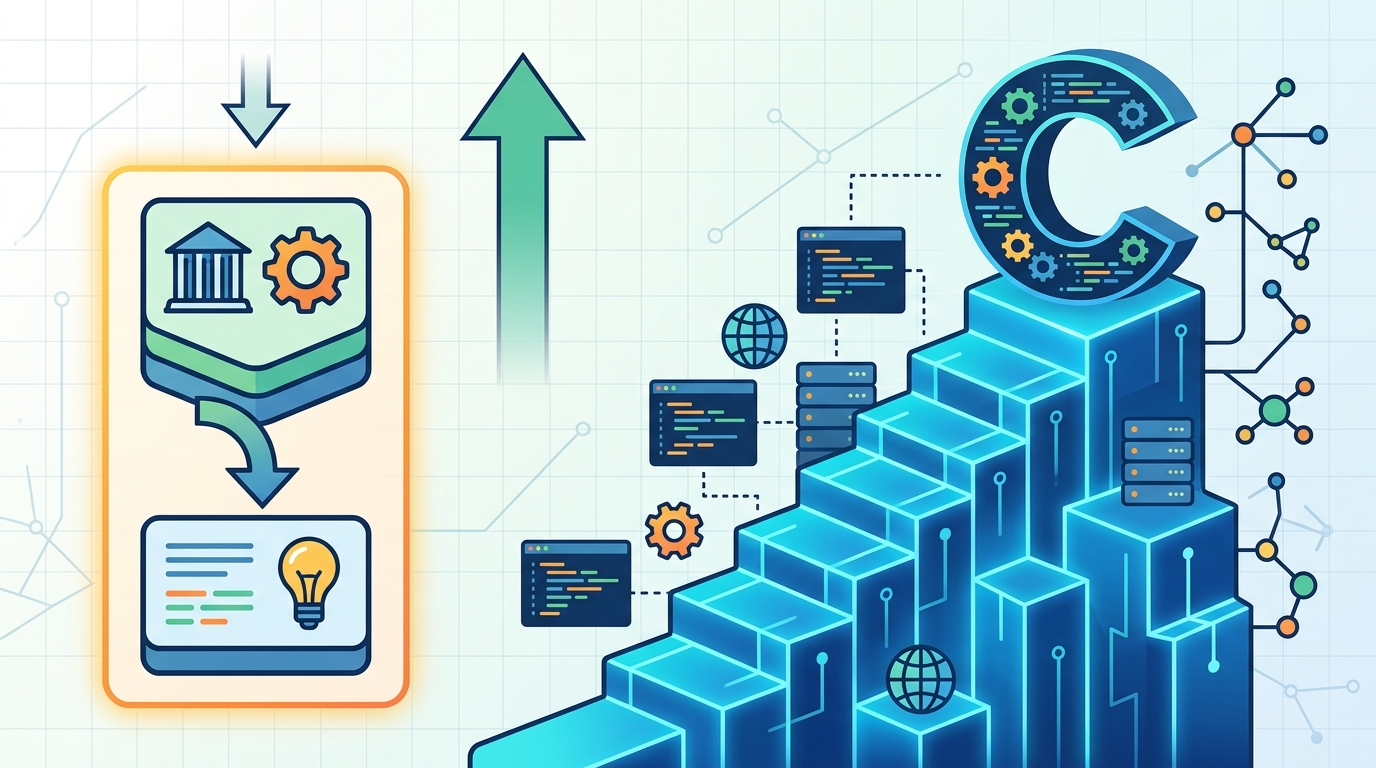
That criticism is fair, and it exposes the limit of the announcement. No model partnership can fix bad product management, weak architecture, or a broken release process. But that does not make the deal shallow. It makes the deal correctly scoped. Cognizant is not claiming Codex will replace engineering judgment. It is claiming the opposite: that human judgment becomes more valuable when AI handles the repetitive work around it. That is a credible claim because the highest-friction enterprise software work is not writing new greenfield code from scratch. It is understanding, changing, testing, and governing existing systems. If Codex can compress that loop, the value is real even if it is not miraculous.
What to do with this
If you are an engineer, PM, or founder, treat this announcement as a signal to redesign workflows, not to buy another chatbot. Start with one painful process, such as refactoring, test generation, or legacy documentation, and measure cycle time, defect rate, and review burden before and after AI enters the loop. If you cannot tie the tool to a production metric, you do not have adoption, you have experimentation. The lesson from Cognizant and OpenAI is simple: enterprise AI wins when it is embedded, governed, and accountable. Anything less is noise.
// Related Articles
- [IND]
WebX 2026 turns speaker hype into a conference brief
- [IND]
AI Weekly: 2026-07-06 ~ 2026-07-13
- [IND]
The AI Act should be treated as Europe’s operating system for AI
- [IND]
Booz Allen’s OpenAI Deal Is Real Advantage, Not Hype
- [IND]
OpenSearch’s vector search benchmark in 5 parts
- [IND]
Vector Databases That Work in Production