DARA shows how think tanks can use AI with trust
iNNOV8’s DARA is a human-supervised AI researcher testing disclosure, authorship and trust in think tank work.

DARA is a human-supervised AI researcher testing trust rules for think tank work.
iNNOV8 has launched DARA, a human-supervised AI research assistant based in Sulaymaniyah, Iraq, and its first paper is already doing more than describing AI use. It is forcing think tanks to answer a harder question: when AI helps produce policy research, what makes that work trustworthy?
The timing matters. The paper, Between Knowledge and Algorithm: Generative AI in the Think Tank Environment, arrives after years of quiet AI adoption inside policy shops, and after the 2026 OTT Conference in Rabat put trust at the center of the sector’s AI debate.
| Fact | Detail |
|---|---|
| Project | DARA, the Dynamic Analysis and Research Assistant |
| Location | Sulaymaniyah, Iraq |
| First paper | Between Knowledge and Algorithm: Generative AI in the Think Tank Environment |
| Conference context | OTT Conference 2026 in Rabat |
DARA makes hidden AI use visible
Get the latest AI news in your inbox
Weekly picks of model releases, tools, and deep dives — no spam, unsubscribe anytime.
No spam. Unsubscribe at any time.
Most think tanks are already using AI in some form. Researchers use it to scan literature, draft outlines, summarize documents, translate text, and test arguments. Communications teams use it for newsletters and social posts. Operations teams use it to sort workflows. The problem is that this activity often grows faster than the rules around it.
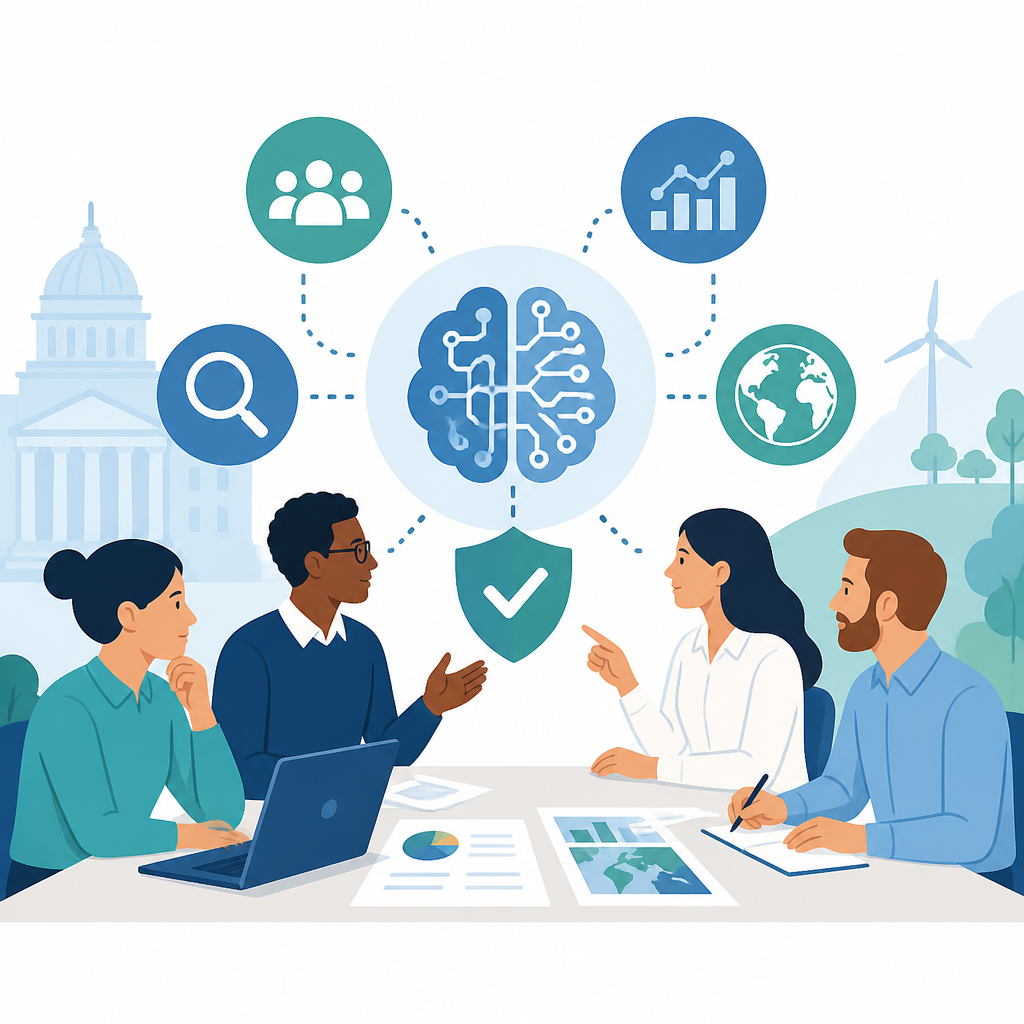
DARA matters because it does the opposite of hiding the practice. iNNOV8 says the assistant will propose research ideas, outline work, select methods, and draft papers under in-house supervision. It also says it will label AI-generated work clearly and, where possible, show the methodology and prompts behind the output.
That level of disclosure is the real story. The sector has spent years arguing about whether AI belongs in policy research. DARA shifts the conversation toward conditions: what can AI do, what must be disclosed, and what still needs human judgment?
- AI can help with transcription, search, drafting, and translation.
- AI should not replace interviewing, fieldwork, or normative judgment.
- Disclosure matters when AI contributes to the final analysis.
- Human researchers still own the claims that get published.
Trust is the real product think tanks sell
At the OTT Conference, AI came up again and again, but rarely as a pure tooling issue. The deeper concern was institutional: what happens to credibility when machines can generate policy briefs, stakeholder maps, and research drafts faster than a team of analysts?
Erica Schoder captured that tension in a keynote that separated machine speed from human meaning. AI can do “complexity work” well. Humans decide what matters, what trade-offs are acceptable, and what consequences they are willing to own. That distinction is where think tanks either protect their value or blur it.
“AI can do extraordinary ‘complexity work,’ such as processing large quantities of information quickly and helping small organisations extend their capacity.” — Erica Schoder
If a think tank is only selling output volume, AI will undercut it. If it is selling judgment, accountability, relationships, and political understanding, then AI becomes a tool, not a replacement. That is why DARA’s disclosure model is so useful: it treats trust as something you design into the process, not something you claim after publication.
The paper also separates three questions that are often mixed together: may AI be used, must its use be disclosed, and can the result be trusted for publication. Those are different decisions, and think tanks need different rules for each one.
The sector already has the pieces of a policy
This is not the first time On Think Tanks has raised the issue. In 2023, it published practical guidance on using ChatGPT in think tanks, with the simple warning that AI output must always be reviewed before use. In 2024, Enrique Mendizabal imagined AI assistants embedded in research, funding, strategy, and policy engagement. Aidan Muller pushed the field toward preparedness, Joscha Wirtz argued for intentionality over FOMO, and Tony Bader called for an internal “AI constitution.”
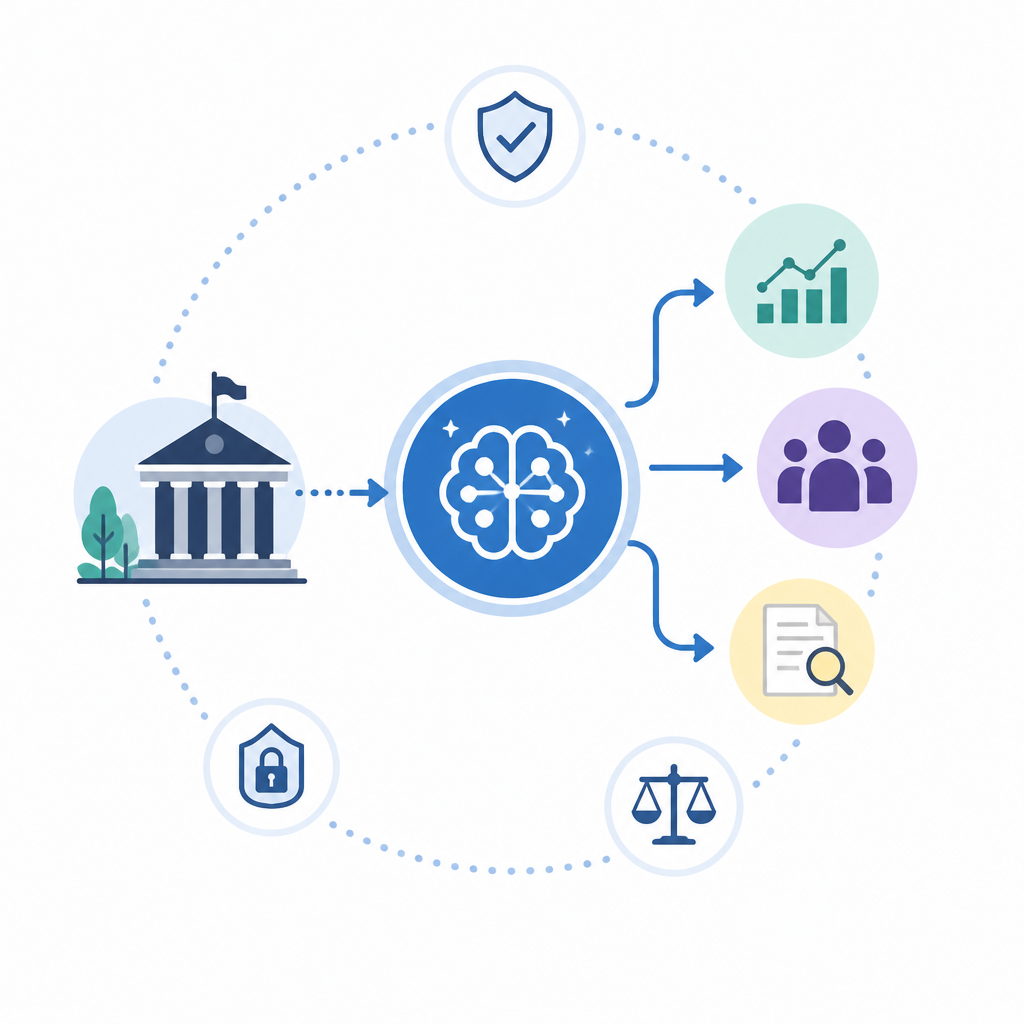
Those ideas are converging around a fairly practical checklist. Think tanks need to know how staff are already using AI, set short rules that people will actually read, and decide where AI helps and where it crosses into substitution. They also need to make trust practices visible through methodology notes, disclosure, metadata, funding information, and editorial review.
- Know the informal AI use already happening inside the organization.
- Write rules that cover permitted use, prohibited use, and disclosure.
- Draw a line between assistance and substitution.
- Document quality checks so readers can see how the work was made.
There is also a funding angle. Responsible AI use takes time, training, secure systems, and editorial capacity. Those are not extras. They are the infrastructure that keeps policy research credible when machine assistance becomes normal.
Sulaymaniyah matters as much as the software
DARA is interesting because of where it comes from. This is not a flagship lab in Washington, London, or Brussels. It is a project from Sulaymaniyah, and that matters in a field where visibility, language coverage, and institutional scale shape who gets heard.
Smaller and regional think tanks face a different set of risks. Their work may be less visible to large models, their languages may be underrepresented, and their credibility signals may be harder for automated systems to read. At the same time, AI can help them translate, extend capacity, and reach audiences they could not reach before.
The hard part is keeping control over how that happens. If AI is used without clear rules, it can flatten local context and weaken accountability. If it is used with visible supervision, it can expand what smaller teams can do without pretending that machine output is the same as human judgment.
That is the lesson DARA offers. The next stage of AI in think tanks is not about whether to use these tools at all. It is about who is accountable, what gets disclosed, and which parts of research still need a person in the room. The organizations that answer those questions now will set the standard for everyone else.
// Related Articles
- [IND]
Managed ChatGPT access is governed by 4 policy layers
- [IND]
OpenAI service terms put app risk on users
- [IND]
Anthropic’s Fable shutdown pushes teams to own models
- [IND]
Chrome V8 zero-day needs an immediate browser restart
- [IND]
WASI 0.3正式版でWebAssembly連携が楽になる
- [IND]
Qualcomm is right to bet on AI devices, not just AI apps