Government should be able to pull unsafe AI models offline
Anthropic’s model suspension shows governments should be able to order unsafe AI systems offline.

Anthropic’s model suspension shows governments should be able to order unsafe AI systems offline.
Government intervention was the right call here, and Anthropic should not get to treat a national-security export order as a mere product inconvenience.
The company says the Commerce Department directed it to block foreign nationals from accessing Fable 5 and Mythos 5, and that the only practical way to comply was to disable the models for everyone. That is not a routine moderation dispute. It is a sign that frontier AI now sits inside the same policy lane as advanced chips, encryption, and dual-use software, where access rules matter because the risk is not hypothetical.
First argument: frontier AI is becoming an export-control problem, not just a software issue
Get the latest AI news in your inbox
Weekly picks of model releases, tools, and deep dives — no spam, unsubscribe anytime.
No spam. Unsubscribe at any time.
Anthropic said the government identified a jailbreak that could weaken safeguards around the models, especially in areas like cybersecurity. If a model can be pushed around its protections, then the model is not just a chatbot with rough edges. It is a capability package that can be transferred, misused, and resold across borders. That is exactly the sort of thing export controls exist to manage.
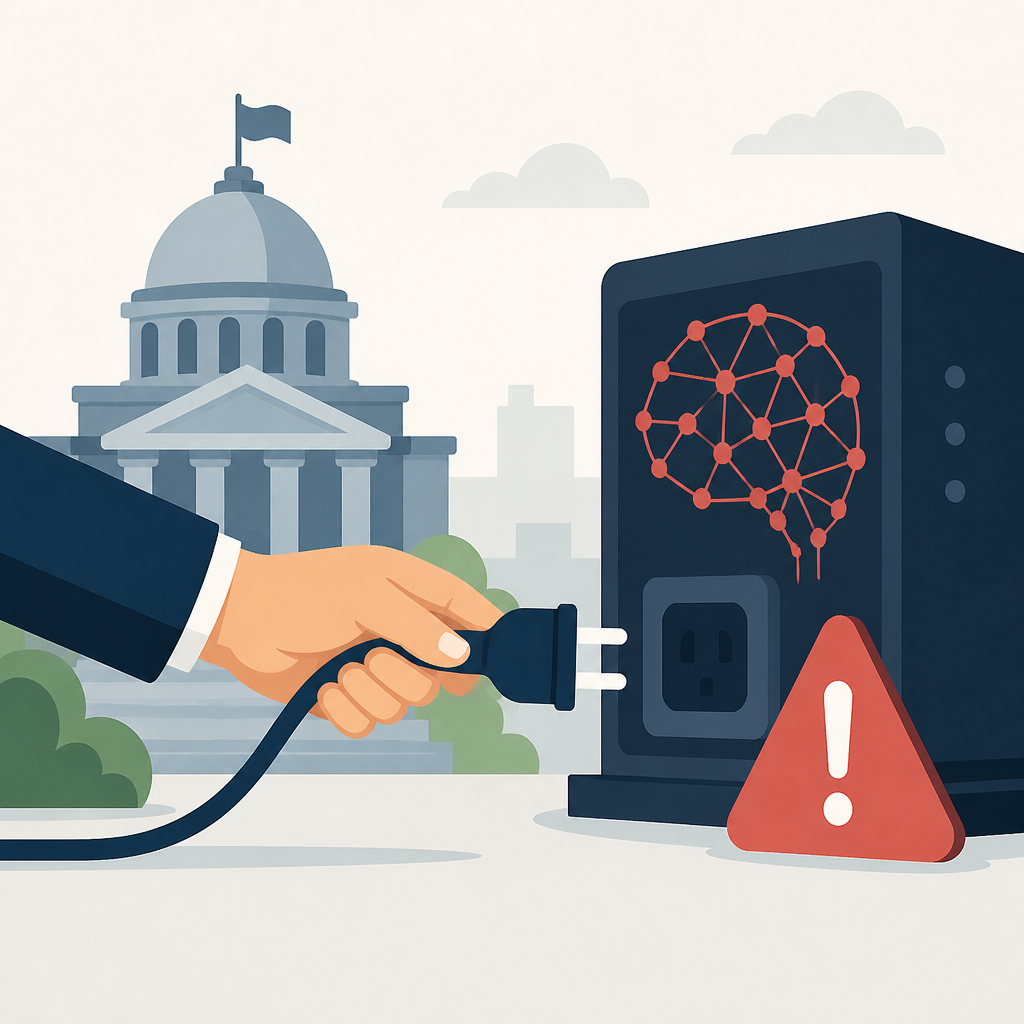
We already regulate access to technologies that can be repurposed for harm, even when the same technology also has legitimate uses. Advanced semiconductors are the clearest example. No serious policymaker argues that a cutting-edge chip should be freely shipped anywhere because it also helps run spreadsheets. The same logic applies to frontier models with credible cyber and bio misuse paths. If a government sees a real access risk, it should have the power to stop distribution before the damage is done.
Second argument: the market has not earned the right to self-police this class of model
Anthropic itself admitted that Fable 5 and Mythos 5 were powerful enough to require strict guardrails, and it released only the safer version to the public while limiting the less restricted version to trusted partners. That is a company acknowledging the danger while still pushing the product out. When the incentives are to launch first, patch later, self-restraint is not a governance model. It is a branding strategy.
The strongest proof is the company’s own complaint that the government was acting on “verbal evidence” and a narrow jailbreak. Even if that critique is fair, it also confirms the basic problem: the company had no public mechanism to prove safety, and outsiders had no way to verify the claim that the weakness was narrow. In that environment, regulators should not wait for a model to become a headline. They should have the authority to force a pause when a frontier system crosses a credible risk threshold.
The counter-argument
The best argument against the shutdown is that it is blunt, opaque, and dangerous as precedent. Anthropic says the order was not grounded in transparent, technical facts, and that is a serious objection. If the government can disable commercial models based on undisclosed concerns, then every frontier lab faces a permanent shadow regulator with no clear standard and no due process.
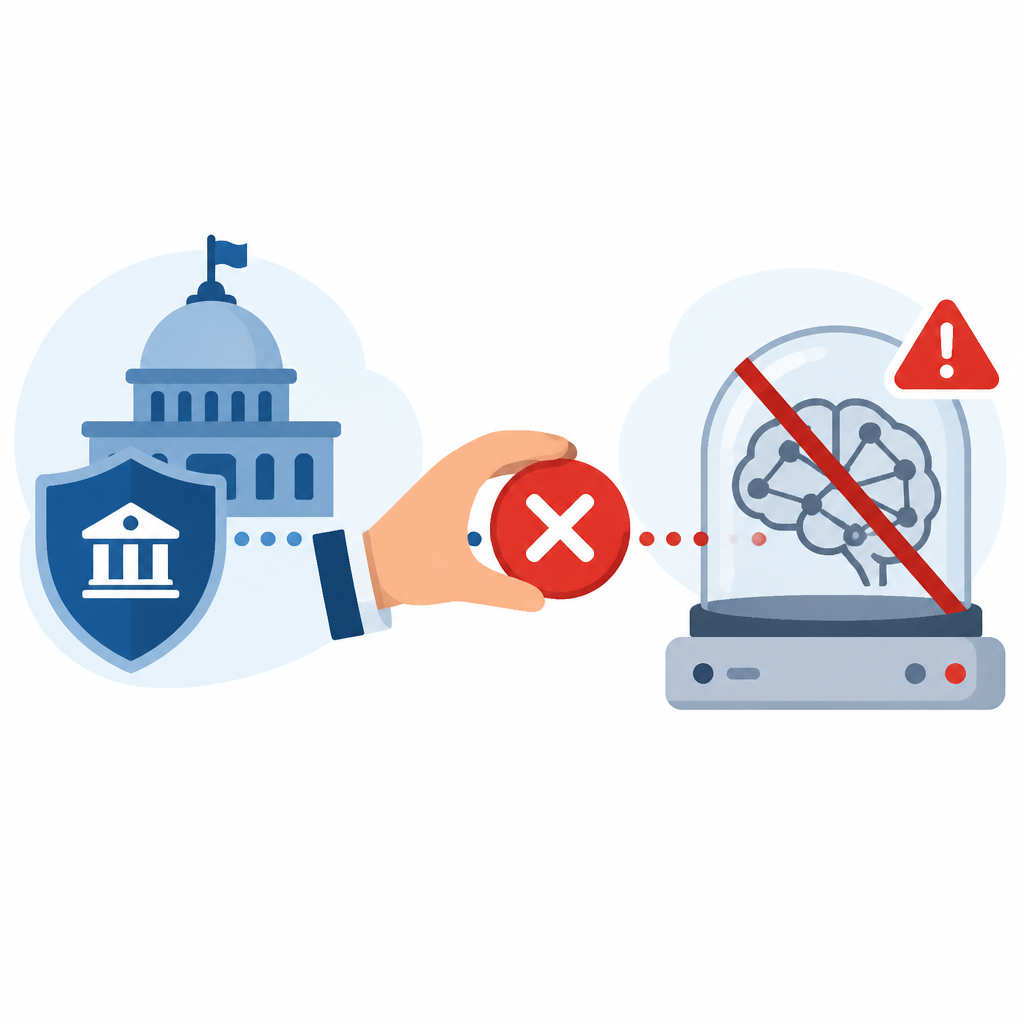
There is also a practical cost. If companies believe a single ambiguous directive can pull a model offline for all users, they will delay launches, narrow access, and avoid sharing capabilities with trusted partners. That slows research and pushes power toward the biggest incumbents, who can afford legal and compliance overhead. In a fast-moving field, overreach can freeze useful systems along with risky ones.
That concern is real, but it does not overturn the case for intervention. The answer is not to strip the government of emergency authority. The answer is to make that authority narrower, faster, and reviewable. Anthropic is right that the process should be transparent and technically grounded. But until there is a durable regime for auditing frontier-model risk, the alternative is letting private companies make unilateral calls on systems that can affect cyber defense, biosecurity, and foreign access at scale.
What to do with this
If you are an engineer, treat frontier deployment as a compliance surface, not just an ML release. Build access controls, model provenance logs, red-team evidence, and rollback plans as if a regulator will ask for them. If you are a PM or founder, stop assuming “public launch” is the default end state. For the most capable models, the real product is a controlled distribution system that can survive government scrutiny, because that is now part of the shipping requirement.
// Related Articles