NeuBird AI launches Falcon for production ops
NeuBird AI raised $19.3M and launched Falcon, an autonomous ops agent aimed at preventing, detecting, and fixing software issues.

Software outages still cost real money, and the bill is getting harder to ignore. NeuBird AI says it has raised $19.3 million and is shipping Falcon, an autonomous production operations agent built to prevent, detect, and fix issues before they turn into incidents.
The timing matters. As more teams run mixed cloud, container, and service-heavy stacks, the old model of waiting for alerts and then paging a human at 2 a.m. gets expensive fast. NeuBird is betting that AI agents can do more than summarize logs or draft incident notes; they can take action inside production workflows.
What NeuBird is actually shipping
Get the latest AI news in your inbox
Weekly picks of model releases, tools, and deep dives — no spam, unsubscribe anytime.
No spam. Unsubscribe at any time.
NeuBird’s pitch is simple: reduce the “chaos tax” that comes with modern software operations. Falcon is the company’s main product, and it is designed to work as an autonomous ops layer that can watch systems, spot abnormal behavior, and help resolve problems without a human manually stitching together dashboards, logs, and runbooks.
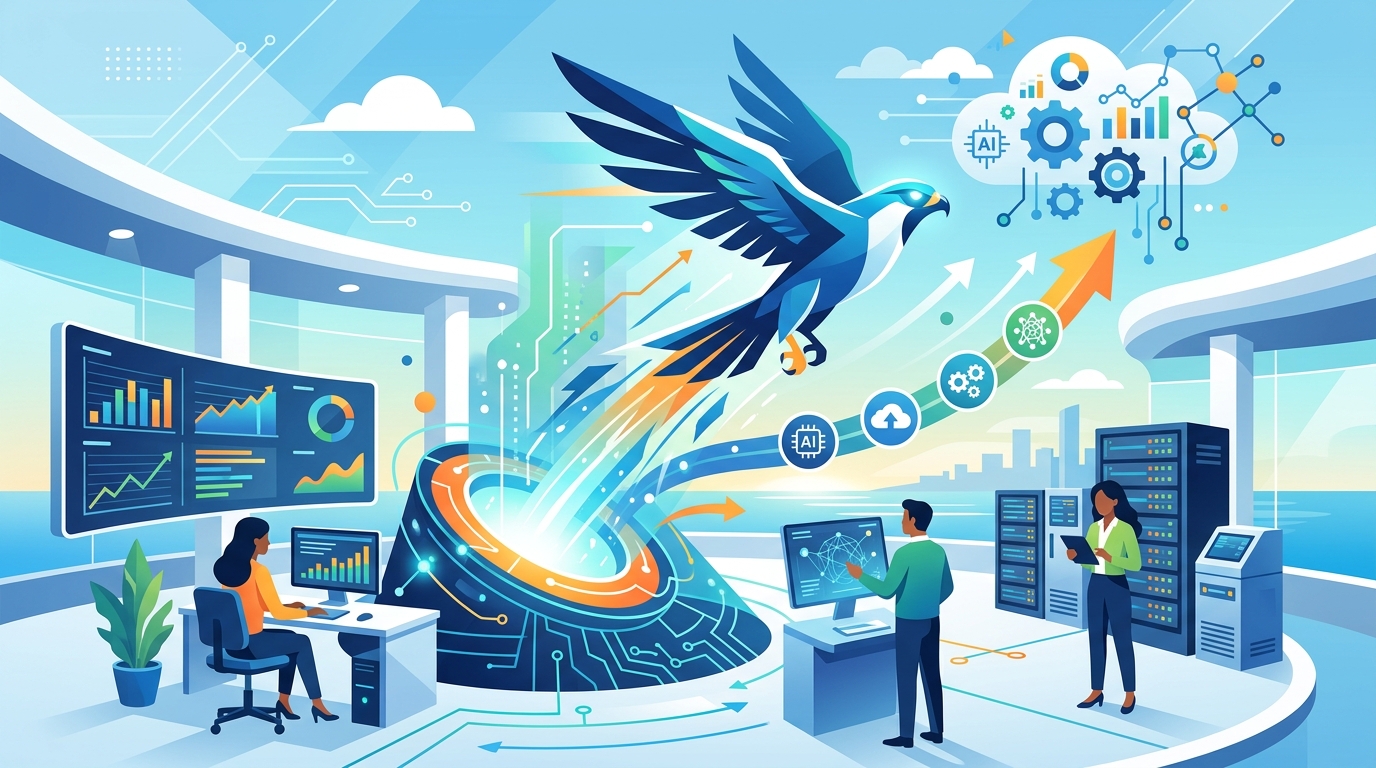
The company is also introducing FalconClaw, a companion component that extends the system’s reach into production environments. In practice, that means NeuBird is trying to cover the full incident path: early warning, diagnosis, and remediation.
That matters because most observability tools still leave the last mile to people. They can tell you that latency spiked or a pod restarted, but they rarely decide what to do next. NeuBird is trying to close that gap with agentic behavior, not another dashboard.
- Funding announced: $19.3 million
- Company age: 2 years old
- Main product: Falcon autonomous production operations agent
- Companion product: FalconClaw
- Focus: prevent, detect, and fix software issues in production
Why this category is getting crowded
AI for operations is no longer a niche experiment. Teams already use tools from Datadog, New Relic, and Splunk to monitor systems, and the next step is obvious: reduce the number of alerts a human has to interpret. NeuBird is entering a market where buyers know the pain well and want fewer false positives, faster root-cause analysis, and less time spent on repetitive response work.
What makes Falcon interesting is the ambition level. A lot of AI ops products help teams investigate. Far fewer try to act on the issue. That difference matters because the value is not in generating a nicer incident summary. The value is in shaving minutes off detection and recovery, especially when a small outage can hit revenue, support load, and customer trust at the same time.
There is also a practical reason this category keeps expanding: infrastructure has become too distributed for manual triage to scale cleanly. Kubernetes, microservices, managed databases, and third-party APIs create more failure points than most teams can watch closely all day.
- Datadog reported revenue of $2.68 billion for 2024
- New Relic reported revenue of $996 million for fiscal 2024
- Splunk reported annual revenue of about $4.2 billion before its Cisco acquisition closed
- These platforms help with visibility, but incident response still needs human time
What the company says about the problem
NeuBird is framing its product around the cost of operational chaos, and that framing makes sense. Every alert that turns into a manual investigation adds labor cost. Every slow response adds downtime risk. Every repeated incident adds engineering distraction that should have gone into shipping features or hardening code.
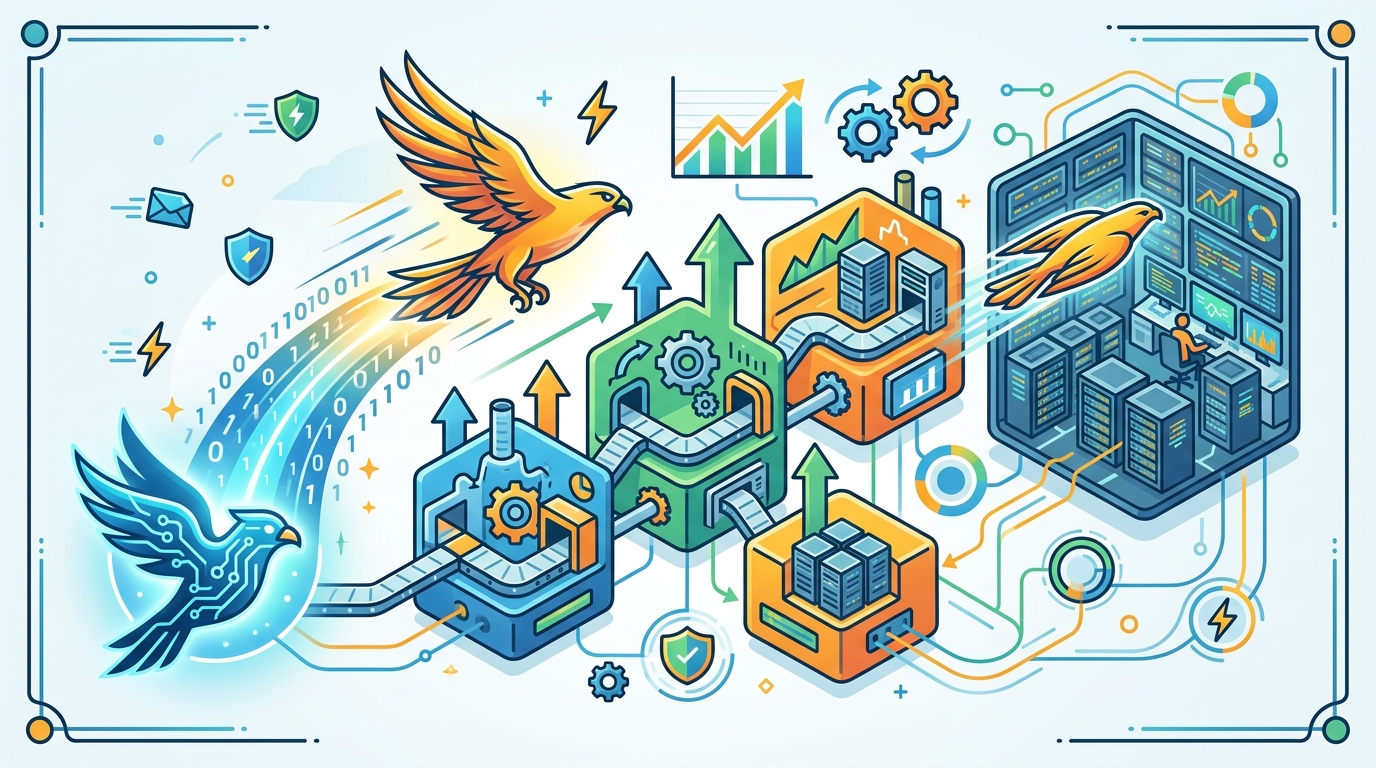
The company’s bet is that an autonomous agent can reduce that overhead by learning patterns across incidents and acting faster than a human team can during peak load. That is a bold claim, and buyers will want proof in the form of lower mean time to detect, lower mean time to resolve, and fewer escalations.
“The future of operations is not about more dashboards; it’s about systems that can understand, reason, and act,” said Satya Nadella, CEO of Microsoft, in a 2024 Microsoft event keynote.
That quote fits the direction NeuBird is aiming for, even if the execution is still the hard part. In production systems, “act” is the dangerous word. If an agent makes a bad move, it can turn a small issue into a bigger one. That means trust, guardrails, and auditability will matter as much as raw automation.
NeuBird has to prove that Falcon can make the right call under pressure, not just the easy call in a demo. For ops teams, that is the difference between a nice pilot and a tool that gets wired into the actual incident workflow.
How Falcon compares with existing ops tools
To understand where Falcon fits, it helps to compare it with the tools teams already use. Traditional observability software watches systems. AIOps tools correlate signals. Incident platforms coordinate people. Falcon is trying to move across all of those layers by taking on more of the response loop itself.
That is a meaningful shift in product design. If it works, teams spend less time jumping between services and more time validating the agent’s decision. If it fails, the product becomes yet another source of noise. The bar is high because production software does not forgive sloppy automation.
- Datadog focuses on observability, metrics, logs, and traces
- New Relic emphasizes application performance monitoring and telemetry analysis
- Splunk Observability centers on telemetry and incident investigation
- Falcon is aiming at autonomous detection and remediation, not only visibility
That positioning also explains why the funding matters. A $19.3 million round gives NeuBird room to refine the product, expand integrations, and prove that customers will trust an agent with real operational authority. The company will need more than a slick interface to win here. It will need clear incident metrics, strong controls, and enough integration depth to fit into existing stacks.
For developers and SREs, the practical question is whether Falcon can shrink the boring, repetitive parts of operations without creating new failure modes. If it can, the product will find a market. If it cannot, teams will keep using a mix of alerts, runbooks, and human judgment, because that is still safer than handing the keys to a system they do not trust.
What to watch next
NeuBird is making a clear bet: production operations are ready for agents that do more than observe. That is a strong thesis, but the next phase will be measured in incident reports, not pitch decks. Buyers should ask for hard numbers on detection speed, remediation success, and rollback behavior before they let an agent touch critical systems.
If Falcon can show real reductions in alert fatigue and downtime, it could push more ops teams to treat autonomous remediation as a standard layer in their stack. If not, it will still help define the line between helpful automation and risky autonomy. Either way, the next wave of ops tools will be judged by one question: can they fix the problem before a human even opens the page?
// Related Articles
- [AGENT]
Perplexity should build Teammate as a coding agent, not a copilot
- [AGENT]
HP adopts OpenAI Frontier across global operations
- [AGENT]
Build a production vector DB for RAG
- [AGENT]
Ornith-1 turns agent coding into a server
- [AGENT]
Crypto AI agents are useful, but only for narrow workflows
- [AGENT]
AI Agents in Crypto: 2026 Protocol Guide