OpenClaw’s 60-Day Surge Changes AI Agents
OpenClaw hit React-level GitHub stars in 60 days, showing how fast open-source agents are moving from chat to actual work.
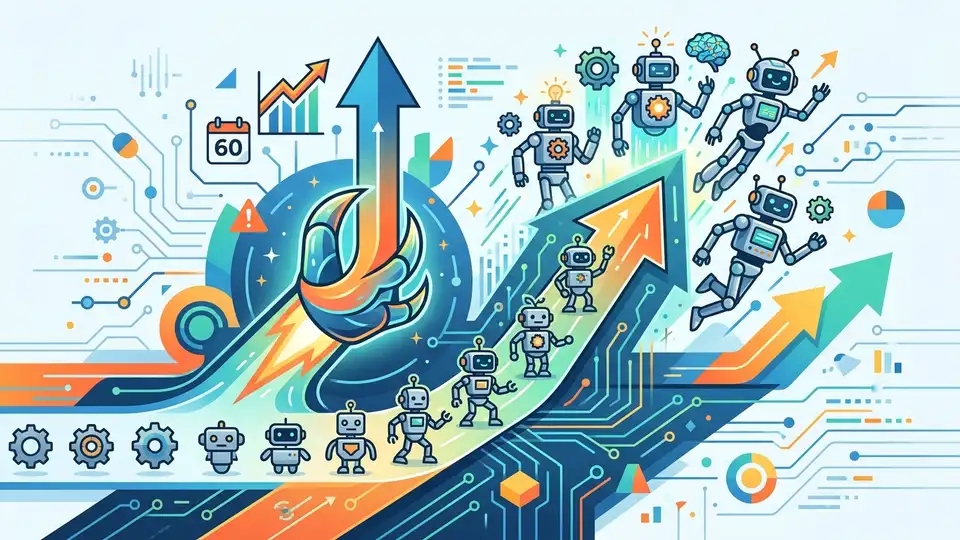
OpenClaw picked up more GitHub stars in 60 days than React did in its first decade. That single comparison tells you where developer attention is moving: from chatbots that answer questions to agents that do work inside the tools people already use.
This quarter’s AI story is less about one model winning and more about three fronts colliding at once: open-source agent frameworks, productized AI assistants from OpenAI, and the more controlled, safety-heavy path from Anthropic. OpenClaw’s rise is the clearest sign that builders want software that can act, not just respond.
OpenClaw’s growth says agents are moving into daily work
Get the latest AI news in your inbox
Weekly picks of model releases, tools, and deep dives — no spam, unsubscribe anytime.
No spam. Unsubscribe at any time.
OpenClaw is an open-source personal agent framework that can connect to tools like Feishu, WhatsApp, and Telegram. The pitch is simple: let an AI agent sit inside the places where people already coordinate tasks, then let it execute those tasks with less friction.
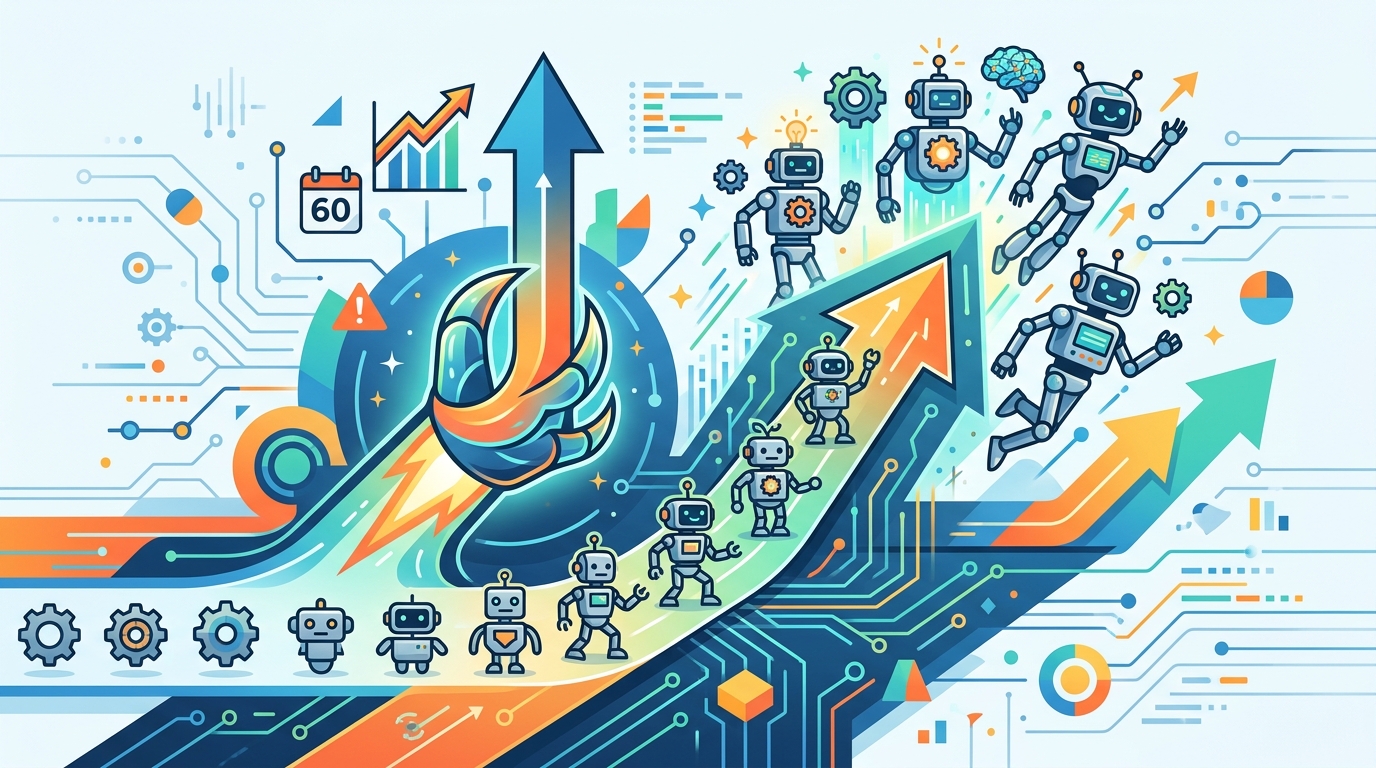
That matters because most AI products still live in a chat window. OpenClaw pushes the category toward action. Instead of asking a model to draft a message or summarize a meeting, a user can ask it to send the message, route the request, or trigger the next step in a workflow.
The growth numbers are what made people pay attention. According to the podcast summary, OpenClaw’s GitHub star count crossed React’s ten-year total within 60 days. Even if star counts are an imperfect signal, they still show developer excitement, and this one is loud.
- OpenClaw: open-source personal agent framework
- Integration targets include Feishu, WhatsApp, and Telegram
- Reported GitHub growth: React’s decade of stars surpassed in 60 days
- Category shift: chat-first AI to action-first AI
Why OpenAI and Anthropic are still setting the pace
The agent boom does not happen in a vacuum. OpenAI keeps pushing consumer and developer products toward more capable assistants, while Anthropic keeps making the case that reliability, instruction-following, and safer behavior matter just as much as raw capability.
That split matters for builders. OpenAI tends to move fast on product surfaces that people can try right away. Anthropic tends to win trust when teams care about long-context work, controlled behavior, and lower-risk deployment. OpenClaw sits in a different spot: it is infrastructure for people who want to build their own agent layer on top of existing apps.
“The future of software is one where the software does the work for us.” — Sam Altman, OpenAI DevDay 2023 keynote
Altman’s line is useful here because it captures the direction of travel without pretending the hard parts are solved. The agent layer still has to deal with permissions, reliability, user intent, and failure recovery. The companies that ship useful systems will be the ones that treat those issues as product problems, not marketing copy.
What the numbers tell us about developer attention
GitHub stars are noisy, but they are still one of the fastest ways to spot where builders are experimenting. A project that grows as fast as OpenClaw did usually has one of two things: a real pain point or a very readable demo. In this case, it looks like both.
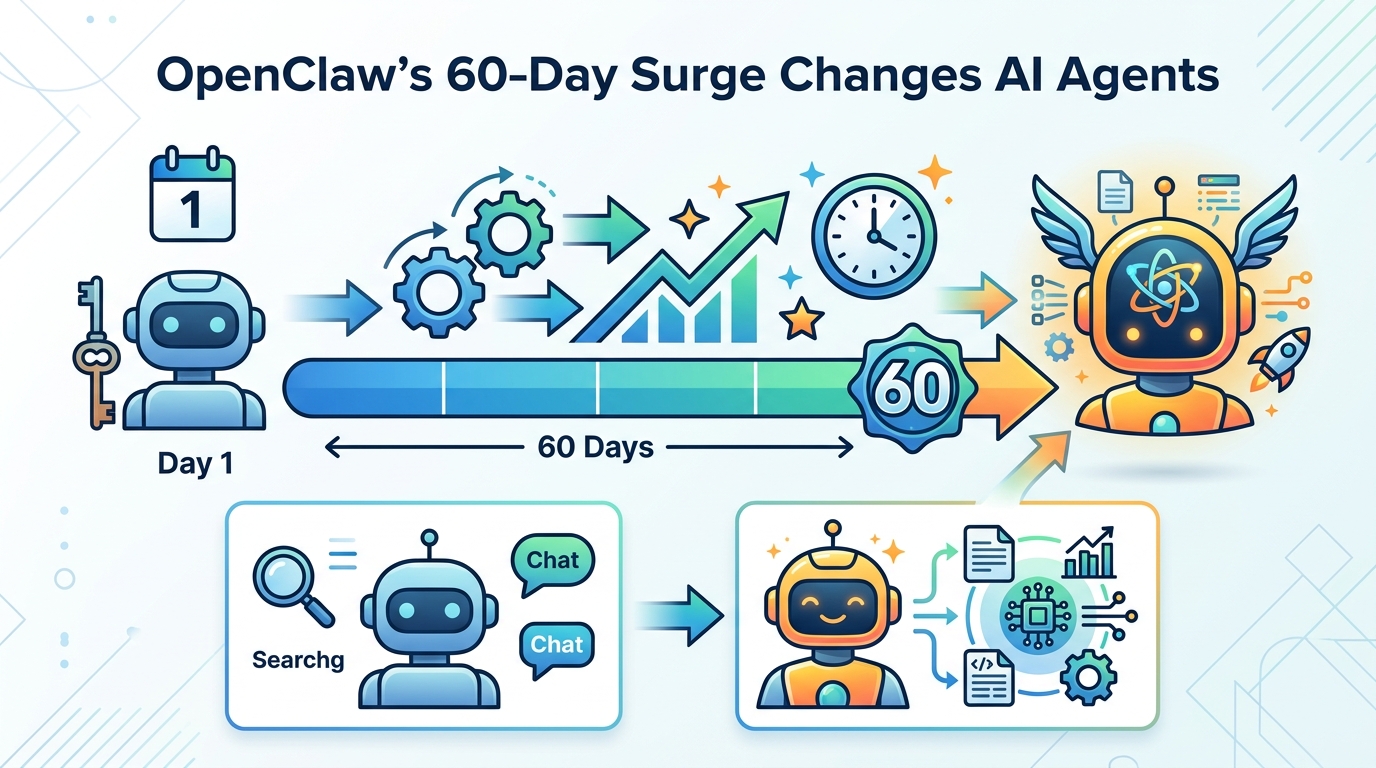
Compare the signals across the current AI stack and the split becomes clearer. Open-source agent frameworks are attracting builders who want control. Closed models from OpenAI and Anthropic are attracting teams that want capability without assembling the whole stack themselves.
- OpenClaw: rapid open-source adoption in weeks, not years
- React: long-term benchmark for developer attention, with stars accumulated over a decade
- OpenAI: product velocity and broad consumer reach
- Anthropic: higher trust posture and strong enterprise appeal
The practical takeaway is that “AI agent” now means more than one thing. For some teams, it is a wrapper around a model. For others, it is a workflow engine with model calls inside it. OpenClaw is interesting because it pushes the second definition into the mainstream.
Why this quarter matters for builders
If you are building in AI right now, the signal is hard to miss: the winners will not be the teams that make the prettiest demo. They will be the teams that can connect models to real tools, handle mistakes gracefully, and keep users in control when an agent takes action on their behalf.
OpenClaw’s breakout also hints at a broader shift in open source. Developers are no longer satisfied with model wrappers that stop at text generation. They want agents that can touch calendars, messaging apps, docs, tickets, and internal systems. That is a much harder product problem, but it is also where real value sits.
For OraCore readers, the smart bet is to watch which agent frameworks survive contact with messy reality. The next wave of AI products will be judged less by benchmark scores and more by whether they can complete a task from start to finish inside the software people already use every day.
My prediction is simple: the next big AI breakout will come from an agent that can reliably own one boring but expensive workflow, such as support triage, sales follow-up, or internal ops. Which team ships that first will matter far more than who posts the flashiest demo on launch day.
// Related Articles
- [AGENT]
Perplexity should build Teammate as a coding agent, not a copilot
- [AGENT]
HP adopts OpenAI Frontier across global operations
- [AGENT]
Build a production vector DB for RAG
- [AGENT]
Ornith-1 turns agent coding into a server
- [AGENT]
Crypto AI agents are useful, but only for narrow workflows
- [AGENT]
AI Agents in Crypto: 2026 Protocol Guide