OpenClaw and the New Solo Builder Stack
One builder runs 8 orchestrators and 35 personas on a homelab, using OpenClaw to ship writing, research, and ops in parallel.
One person, eight orchestrators, and about 35 personas sounds like overkill until you see the output: blog posts, research briefs, infra alerts, and draft reviews moving while the author sleeps. That is the setup Nick Lawson describes in his March 2026 write-up on Towards Data Science, where he uses OpenClaw to coordinate autonomous agents across writing, homelab operations, smart home control, and product work.
The interesting part is not that he uses agents. It is that he split them into two layers with very different jobs: orchestrators that make decisions, and personas that execute narrow tasks. That design keeps the expensive reasoning where it matters and pushes the repetitive work onto cheaper, faster model calls.
If you have been following agentic AI from the demo stage to actual use, this is the kind of system that feels less like a toy and more like a personal operations team. It is also a reminder that the biggest bottleneck is often not model quality, but workflow design.
Why this setup works when small teams hit a wall
Get the latest AI news in your inbox
Weekly picks of model releases, tools, and deep dives — no spam, unsubscribe anytime.
No spam. Unsubscribe at any time.
Lawson’s core problem is familiar to anyone who tries to do too much with one brain: context switching destroys throughput. He is maintaining a homelab, a writing pipeline, a book project, smart home devices, and infrastructure monitoring. A human can keep all of that in motion, but only by dropping depth somewhere else.
His answer is to give each domain an agent with ownership. OpenClaw provides the runtime, while named orchestrators such as CABAL, DAEDALUS, TACITUS, PreCog, REHOBOAM, LEGION, HAL9000, and TheMatrix each control a slice of work. The names are playful, but the operating model is serious: agents run on schedules, watch inboxes, hand work off, and keep state in files.
This is where the article gets practical. Lawson says he first tried nearly 30 agents and found that everything got messy. He later reduced the count to eight orchestrators and a library of personas that can be spawned on demand. That cut is a useful signal for anyone building agent systems: more agents do not automatically mean more output.
- 8 orchestrator agents own domains and make decisions
- About 35 personas handle narrow tasks on demand
- 5 markdown files define each agent’s identity and behavior
- 1 homelab server runs the whole setup locally
The five-file pattern is especially elegant because it keeps agent behavior readable. IDENTITY.md defines who the agent is. SOUL.md defines what it will and will not do. AGENTS.md covers workflow. MEMORY.md stores lessons. HEARTBEAT.md tells it what to do when nobody is talking to it.
That structure matters because agent systems fail in boring ways: unclear instructions, bloated context, and poor handoffs. Lawson’s version tries to make those failure modes visible in plain text instead of hiding them inside a pile of code.
The real trick is cost tiering
One of the strongest ideas in the piece is cost tiering. Lawson does not send every task to the strongest model. He reserves heavier reasoning for orchestrators and uses smaller models for routine work. That sounds obvious, but in practice it is where many agent stacks blow up their own budgets.
He describes the split like this: orchestrators run on a high-end model such as Claude Opus for judgment calls, writing tasks run on Claude Sonnet, and lightweight formatting tasks run on Claude Haiku. In other words, the system matches model strength to task complexity instead of treating every request like a research paper.
“The instinct is to make everything powerful. Every task through your best model. Every agent has full context. You very quickly run up a bill that makes you reconsider your life choices.”
That quote captures the economics of agent design better than most product decks do. If your agent stack cannot distinguish between a strategic decision and a markdown reformat, it will waste tokens and time on both.
He also gives a concrete example of a tech-editor persona. It reads a voice file, preserves the author’s style, flags factual issues, and returns edited copy with notes. No long-term memory, no strategic planning, no side quests. That is a good pattern for any team trying to automate editorial or support work without flattening nuance.
The broader lesson is simple: orchestration is expensive, execution is cheap. Put judgment in the orchestrator, put repetition in the persona, and keep the boundary clean.
How this compares with other agent stacks
Lawson’s setup is not the only way to build multi-agent systems, but it is one of the clearest examples of a local, file-driven approach. Compare it with more centralized frameworks such as LangGraph, AutoGen, and CrewAI, which all provide different ways to coordinate agents, tools, and handoffs.
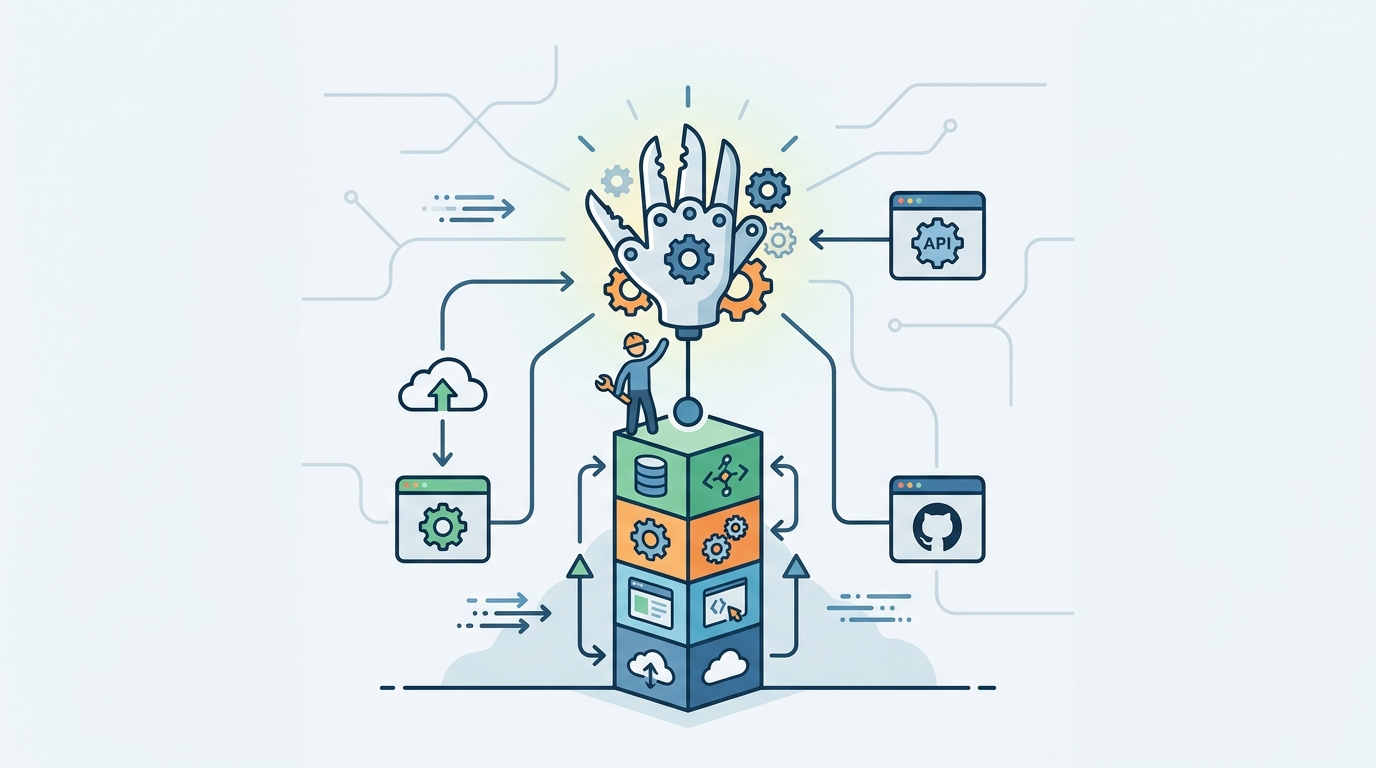
Those systems often emphasize graph logic, chat-based collaboration, or role-based crews. OpenClaw, as described here, feels more like an operating layer for a single operator who wants durable memory, scheduled work, and agent identity stored in markdown. That makes it less abstract and easier to inspect.
- LangGraph focuses on graph-based control flow for agents and tools
- AutoGen emphasizes multi-agent conversation and coordination
- CrewAI organizes agents around roles and tasks
- OpenClaw in this article is built around files, schedules, and local ownership
There is also a hardware angle here. Running agents on a homelab server changes the economics and the privacy story. You are not waiting on a cloud dashboard for every action, and you are not shipping every internal note to a hosted workspace. That matters if your agents are reading drafts, infrastructure notes, or home automation events.
The tradeoff is that you own the mess. Local systems need maintenance, and Lawson does not hide that. He mentions broken workflows, timestamped lessons, and ongoing changes to the agent roster. That honesty is useful because it makes the system feel like software you can actually live with, not a polished demo that only works on stage.
If you want a related read on how agent memory and task routing are evolving, see our coverage of multi-agent memory patterns and local AI workflows.
What solo builders should take from this
The most valuable takeaway is not that everyone should build 35 personas. It is that one person can ship far more when the work is split by function, cost, and persistence. A good agent stack does three things well: it remembers the right things, it routes tasks to the right model, and it keeps the human in charge of the important calls.
Lawson’s setup also hints at a practical ceiling. He trimmed a sprawling agent count down to a smaller set of orchestrators because too many active identities made the system harder to manage. That suggests a useful rule for builders: add personas freely, but keep orchestrators rare.
That distinction may become the default pattern for serious solo teams. A few durable agents can own pipelines, while disposable personas handle drafting, summarizing, formatting, and review. If that model keeps working, the next bottleneck will not be agent capability. It will be deciding which work deserves a permanent agent at all.
My bet is that the most effective solo builders over the next year will not be the ones with the most agents. They will be the ones who can explain, in one sentence each, why an orchestrator exists, what a persona does, and when a human still needs to step in. If you cannot do that yet, your agent stack is probably still pretending to be a team.
For builders experimenting with this pattern, the next question is simple: which part of your workflow deserves memory, and which part should disappear after the task is done?
// Related Articles
- [AGENT]
Perplexity should build Teammate as a coding agent, not a copilot
- [AGENT]
HP adopts OpenAI Frontier across global operations
- [AGENT]
Build a production vector DB for RAG
- [AGENT]
Ornith-1 turns agent coding into a server
- [AGENT]
Crypto AI agents are useful, but only for narrow workflows
- [AGENT]
AI Agents in Crypto: 2026 Protocol Guide