Particle Network maps its next chain abstraction products
Particle Network announced the Universal Deposit SDK and Universal Agent Accounts after rolling out EIP-7702-based Universal Accounts.
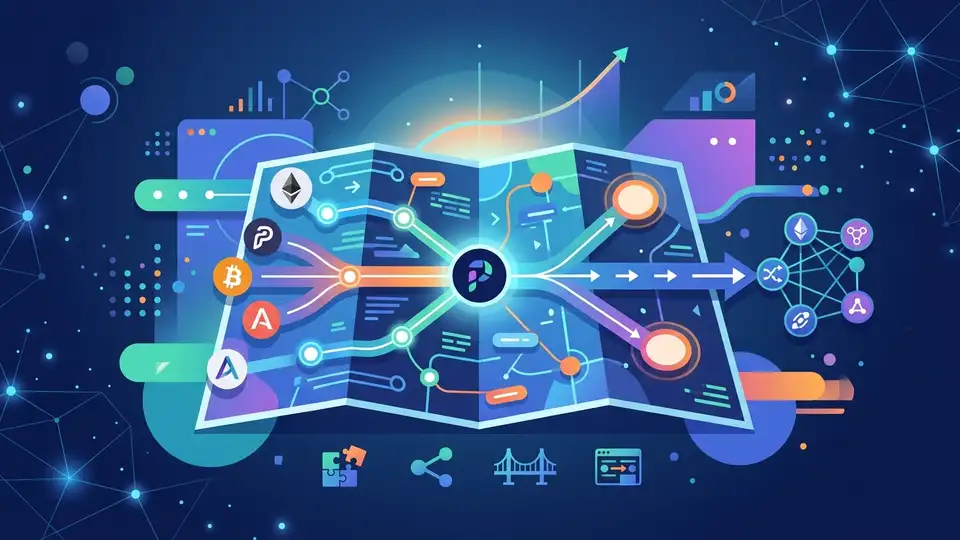
Particle Network is adding a deposit widget and agent accounts on top of Universal Accounts.
Particle Network says its EIP-7702-based Universal Accounts are now live, and the company is already lining up the next two products: the Universal Deposit SDK and Universal Agent Accounts. The timing matters because the team is not talking about a prototype anymore; it is talking about shipping tools that make chain abstraction easier for both app developers and AI agents.
The announcement lands on May 3, 2026, after Particle says it delivered the first 7702-based implementation of chain abstraction. The pitch is simple: one account, one balance, any chain. That idea now gets packaged into products that could reduce the amount of custom wallet and bridge work developers need to do.
| Item | Detail | Why it matters |
|---|---|---|
| Announcement date | May 3, 2026 | Shows the roadmap is being published after 7702 support went live |
| Hackathon prize pool | Over $12,000 | Signals partner-backed developer adoption efforts |
| Integration effort | About 10 lines of code | Particle is selling simplicity, not a full wallet rewrite |
| Product promise | 80% of the experience with a quarter of the effort | Positions the SDK as a faster path than rebuilding account logic |
EIP-7702 is the foundation
Get the latest AI news in your inbox
Weekly picks of model releases, tools, and deep dives — no spam, unsubscribe anytime.
No spam. Unsubscribe at any time.
Particle’s story starts with EIP-7702, the Ethereum proposal that lets an existing externally owned account behave more like a smart account. In Particle’s framing, that means a user can keep the same address while gaining chain abstraction features such as unified balances, gas paid in any token, and cross-chain actions without manual bridging.
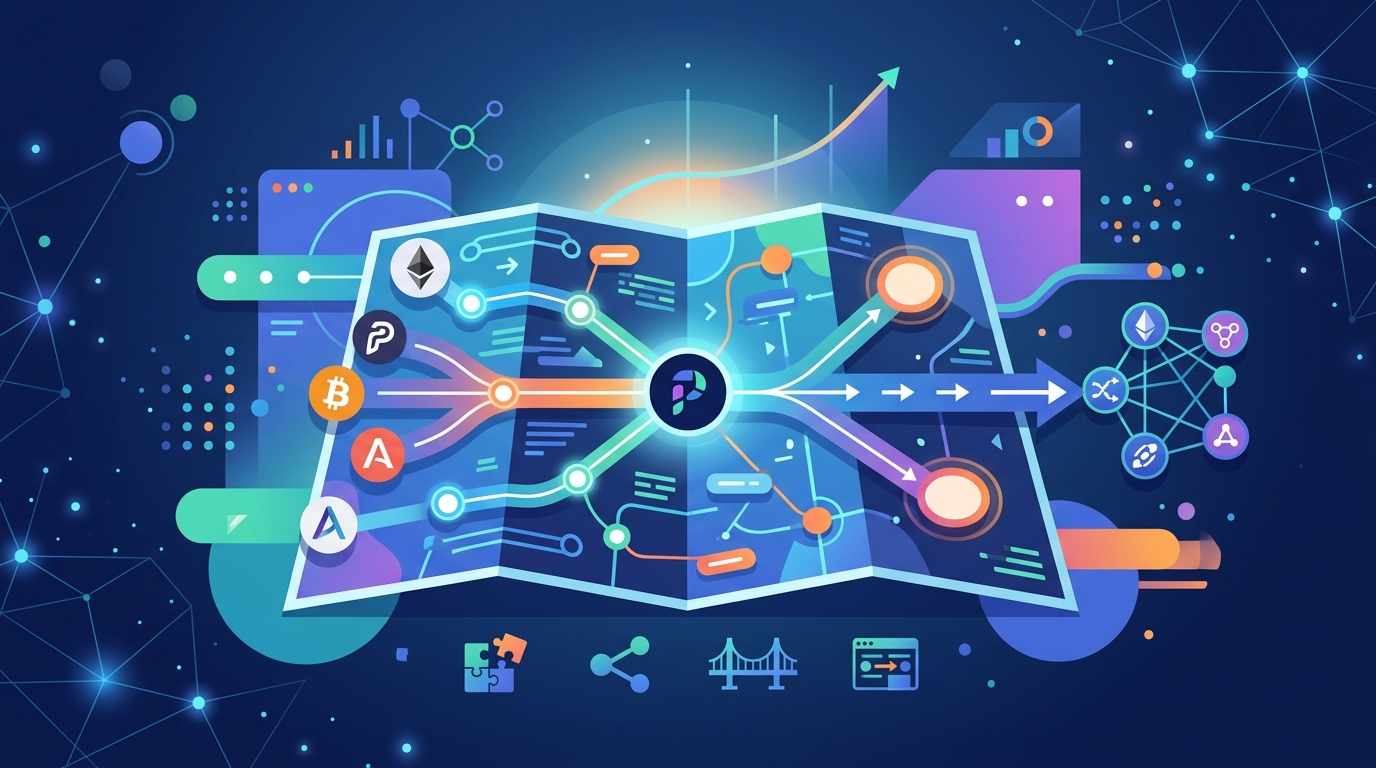
That is a meaningful shift for wallet UX. Traditional onboarding often forces users to create a new account, move assets, pick the right network, and keep the right gas token around. Particle wants to compress that into a model where the account itself becomes portable across chains.
The company says this is already making integration easier for builders, because they can add chain-agnostic behavior without rebuilding every part of their app. For users, the promise is less ceremony and fewer dead ends when they move between networks.
“AI agents will run on permissionless rails,” the 7702 Collective says in the announcement, adding that agents will increasingly route payments and manage liquidity on decentralized infrastructure.
That quote matters because it explains why Particle is widening the scope beyond human wallets. If agents are going to initiate transactions, rebalance portfolios, or move funds across chains, they need account abstractions that do not fall apart when the workflow gets messy.
The Universal Deposit SDK is the near-term product
The first upcoming release is the Universal Deposit SDK, a lightweight embeddable component that lets users deposit from major chains into an app without manually bridging first. Particle says the SDK routes assets behind the scenes, aggregates balances, and sends funds to the address and chain the app is using.
That is a practical product choice. Most teams do not want to rebuild their whole wallet stack just to support chain abstraction. A deposit widget gets them part of the way there fast, which is why Particle says developers can get “80% of the experience with a quarter of the effort.”
The company also says the SDK will be customizable, work across chains, and ship with launch partners. It is aimed at apps that want a native-feeling deposit flow without asking users to understand bridging, gas tokens, or chain switching.
- Users can deposit from Ethereum, Solana, and other supported networks without manual bridging.
- The app can receive funds on the chain it already uses, while Universal Accounts handles routing.
- Particle says integration can take roughly 10 lines of code.
- Launch partners will get access at release, which should help prove whether the widget works in real apps.
Universal Agent Accounts target AI workflows
The second product is more forward-looking: Universal Agent Accounts. Particle is building a dedicated API and dashboard that lets AI agents own and manage their own Universal Accounts, giving them native chain abstraction instead of forcing them to reason through every chain-specific step.
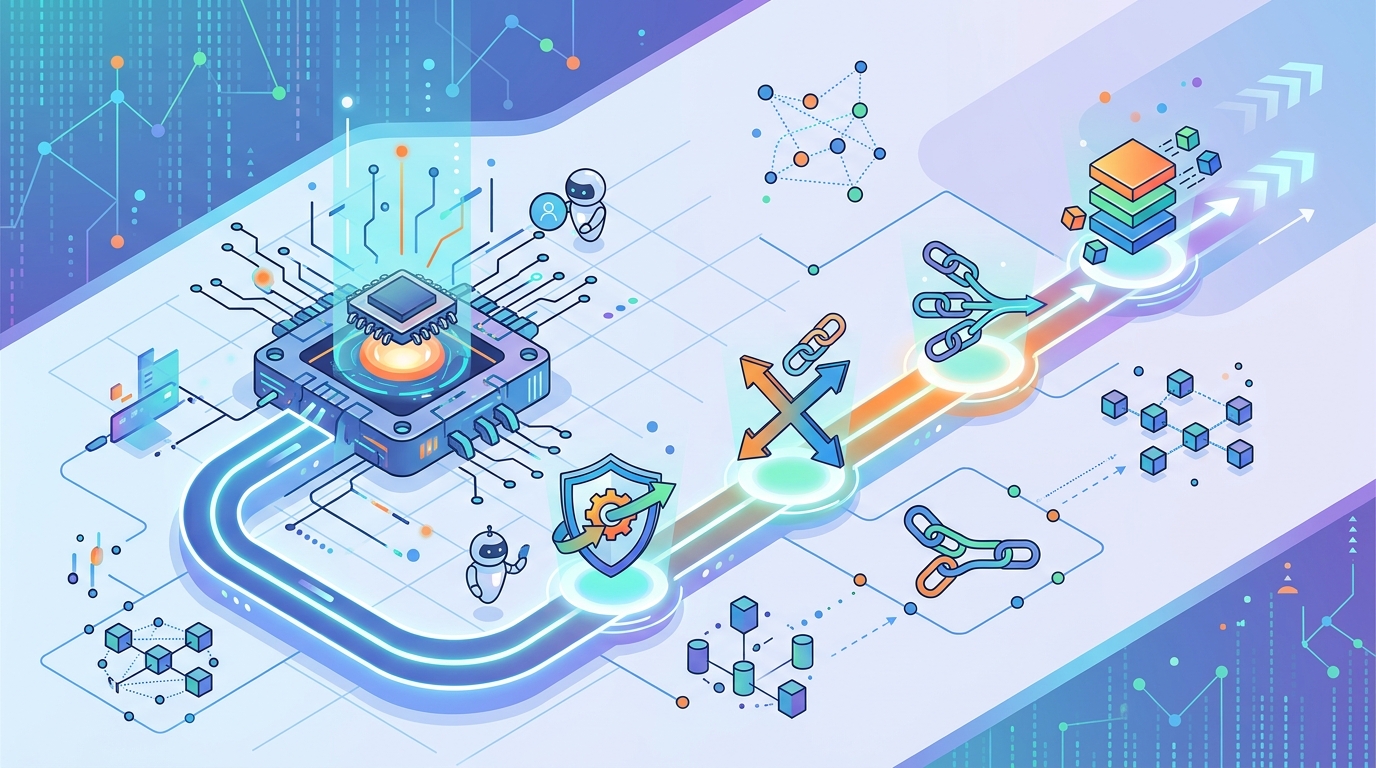
This is where the announcement gets interesting. AI agents are already processing billions in verifiable onchain volume, and that makes them one of the most active new users of crypto infrastructure. But the same fragmentation that annoys humans also slows agents down. If an agent has to juggle bridges, liquidity routing, gas tokens, and settlement logic, it burns more tool calls and more credits than it should.
Particle’s answer is to move that complexity into the execution layer. The agent sends an outcome, such as rebalancing a portfolio or executing a cross-chain governance action, and Universal Accounts handle the mechanics underneath.
- Native multi-chain execution for initiating, routing, and settling transactions in one flow.
- Outcome-driven workflows for tasks like yield strategies and rebalancing.
- Autonomous execution with fewer tool calls and less chain-specific logic.
- An LLM-friendly API plus a developer dashboard for managing each account.
How Particle is trying to make adoption easier
Particle is also backing the roadmap with community and partner activity. It says it is co-founding the 7702 Collective with teams including ZeroDev, Magic, and Openfort, and it is pairing that effort with the UXmaxx Hackathon and over $12,000 in prizes.
That mix tells you where Particle thinks the bottleneck is. The technical piece is only half the job. The other half is getting builders to test the new model, ship real apps, and show that chain abstraction can work in production instead of just in demos.
Particle also says Universal Accounts V2 is on the way, with better wallet flexibility, cross-chain execution, and performance aimed at high-frequency use cases like onchain trading. In other words, the company is trying to serve both the app developer who wants a simpler deposit flow and the agent or trader who needs faster execution.
What this means for Web3 app builders
For developers, the announcement is less about a single feature and more about a product stack forming around a clear thesis. Particle wants Universal Accounts to become the default transaction layer for apps that need users, funds, and agents to move across chains without friction.
That thesis is bold, but the details are concrete. The company is shipping a deposit widget first, then agent accounts, while supporting the whole thing with 7702-based account upgrades and partner programs. If those pieces work together, developers may no longer need to choose between deep wallet engineering and a poor user experience.
The bigger question is whether apps will adopt chain abstraction as a default or treat it as a specialized feature for a few flows. Particle is betting that the answer is the first one, and the next release cycle will show whether that bet is paying off.
For now, the signal is clear: Particle is moving from infrastructure claims to productized tools, and the next test is whether real teams will build on them fast enough to make chain abstraction feel normal.
// Related Articles