SEC NMS rescission could unlock tokenized stock DeFi
3 policy moves could open tokenized stocks to DeFi trading, plus a new US crypto-crime task force and Hungary’s reversal.

The SEC’s NMS rescission could let tokenized stocks trade inside DeFi systems.
The SEC proposal could remove the main legal barrier to tokenized equities in DeFi, while two other policy moves show how fast crypto rules are shifting. One number matters most here: the SEC comment window is open for 60 days.
1. SEC Regulation NMS rescission
Get the latest AI news in your inbox
Weekly picks of model releases, tools, and deep dives — no spam, unsubscribe anytime.
No spam. Unsubscribe at any time.
The biggest change is the SEC’s proposal to rescind parts of Regulation NMS, especially Rule 611 and Rule 610(e). Those rules helped keep stock trading tied to the national market system, which made it hard for tokenized equities to plug into automated market makers and other DeFi venues.
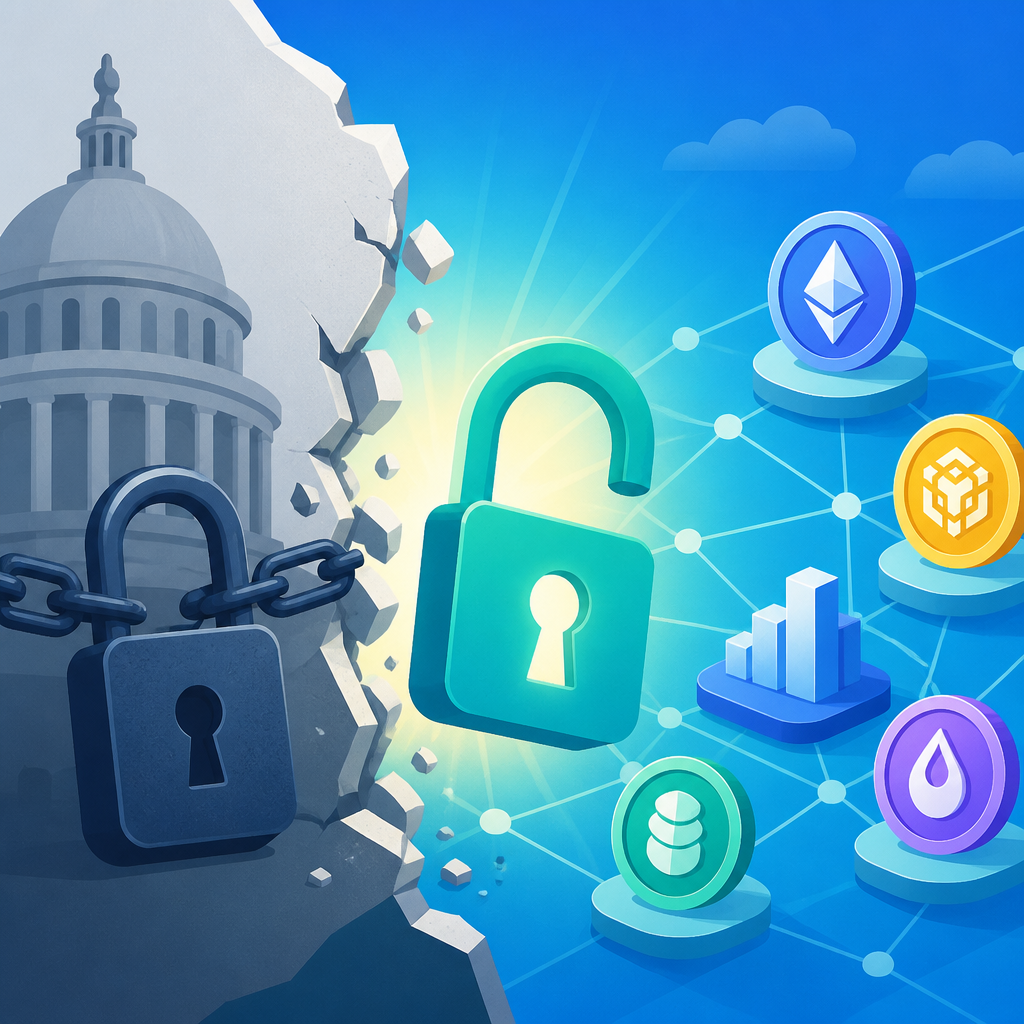
If the rescission survives the comment period, tokenized stock protocols would no longer face the same trade-through and locked-quote constraints. That does not mean instant approval for every on-chain equity product, but it removes the clearest rule conflict between DeFi market design and US equity market structure.
- Rule 611: trade-through prohibition
- Rule 610(e): locked and crossed quotations
- Rule 600 definitions: also slated for rescission
2. Automated market makers for tokenized equities
AMMs price assets from pool ratios instead of live exchange quotes, which is exactly why they have clashed with current stock-trading rules. Under the old framework, an AMM could be viewed as violating best-price expectations on a constant basis.
Galaxy Digital research head Alex Thorn said AMMs would “commit trade-throughs constantly” under the current setup and called the proposal one of the biggest unlocks yet for tokenized stocks. The likely next step is a best-execution framework that could fit on-chain equity venues better than the current national-market-system rules.
- AMM pricing: liquidity pool ratios
- Current conflict: no live NBBO-based routing
- Possible replacement: best-execution standard
3. Federal crypto-crime task force
On the same day, lawmakers introduced a bill to create the Federal Cryptocurrency Theft Task Force. The proposed unit would sit under the US attorney general and include senior officials from the FBI, DHS, and Treasury, with a narrow focus on theft, scams, tracing, and victim support.

The timing makes sense. The FBI’s 2025 Internet Crime Report recorded more than $11 billion in crypto-related losses reported by Americans. The bill is aimed at criminal enforcement, not broader market regulation, so it is designed to avoid overlap with civil agencies.
- Lead agency: US attorney general
- Core functions: investigations, forensics, asset tracing
- Reporting: annual updates to Congress
4. Hungary’s crypto rollback
Hungary also moved in the opposite direction from its prior crackdown. The Tisza government said it would unwind a 2025 framework that required approved validation for crypto conversions and imposed criminal penalties for violations.
Officials said the rules made practical operation impossible and scared off market participants. The policy had already pushed firms such as Revolut to suspend services in Hungary, and it drew scrutiny over compatibility with European Union rules. The reversal shows how quickly harsh crypto rules can collapse when they begin to hurt business activity and run into bloc-level pressure.
- 2025 rule: approved validation for conversions
- Penalty: criminal consequences for violations
- Effect: service suspensions by major platforms
5. What this means for tokenized stocks
The SEC proposal matters most for builders because it attacks the single largest legal obstacle to on-chain equity trading in DeFi. If the final rule stays close to the draft, protocols will have a better path to launch tokenized stock markets without immediate conflict with US equity trading rules.
That makes the next 60 days the key window. If you are watching tokenized equities, watch for comment letters, SEC revisions, and any protocol announcement that hints at a DeFi integration before the rule is finalized.
How to decide
If you care about tokenized stocks, the SEC rescission is the main event. If you follow enforcement, the new federal task force is the item to watch. If you track policy reversals in Europe, Hungary’s move is the clearest sign that crypto crackdowns can be rolled back when they become too costly.
For builders, the best signal is whether the SEC keeps the rescission intact after the 60-day comment period. For traders and founders, that decision will tell you whether DeFi-native equity venues are moving from theory toward a viable launch path.
// Related Articles
- [CHAIN]
MetaBot’s 8-module stack turns METAKPK into a closed loop
- [CHAIN]
Bitcoin Clarity Act Lets Banks Lose Control
- [CHAIN]
The CLARITY Act Will Reshape Crypto Before It Becomes Law
- [CHAIN]
Ethereum’s 66% drop leaves ETH at a buy zone test
- [CHAIN]
Claude Fable 5 could speed up crypto attacks
- [CHAIN]
AI tokens are trading as a crypto sector now