SOLAI starts selling Solode Neo for local AI agents
SOLAI opened sales of Solode Neo, a $399 personal AI computer that runs Claude Code, Codex, Gemini CLI, and Hermes locally.
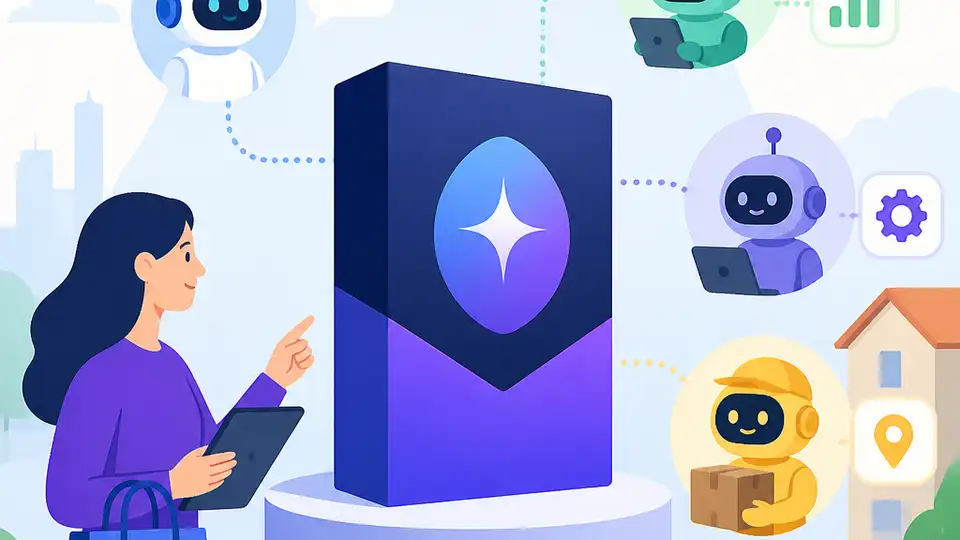
SOLAI has started selling Solode Neo, a $399 personal AI computer for always-on local agents.
SOLAI Limited says its new Solode Neo is now on sale, and the pitch is simple: keep AI agents running on a compact machine you own. The company says the device is built for persistent developer workflows, privacy-first local use, and automatic software updates.
The timing matters because this is no longer a demo. SOLAI first introduced Solode Neo in April 2026 with OpenClaw pre-configured, then expanded support to multiple agent stacks through over-the-air updates. The company is now selling the device for US$399 and bundling AI credits that it says can cover up to 20 million tokens for lighter tasks, depending on model choice and usage.
| Item | Detail |
|---|---|
| Device | Solode Neo |
| Price | US$399 |
| Included AI credits | Up to 20 million tokens |
| Initial launch timing | Introduced in April 2026 |
| Official sale announcement | May 13, 2026 |
What SOLAI is actually selling
Get the latest AI news in your inbox
Weekly picks of model releases, tools, and deep dives — no spam, unsubscribe anytime.
No spam. Unsubscribe at any time.
Solode Neo is not a cloud subscription in a box. It is a compact personal AI computer meant to host agents locally, which gives users more control over where prompts, context, and automation live. That matters for developers who want long-running tasks without sending everything to a remote service.
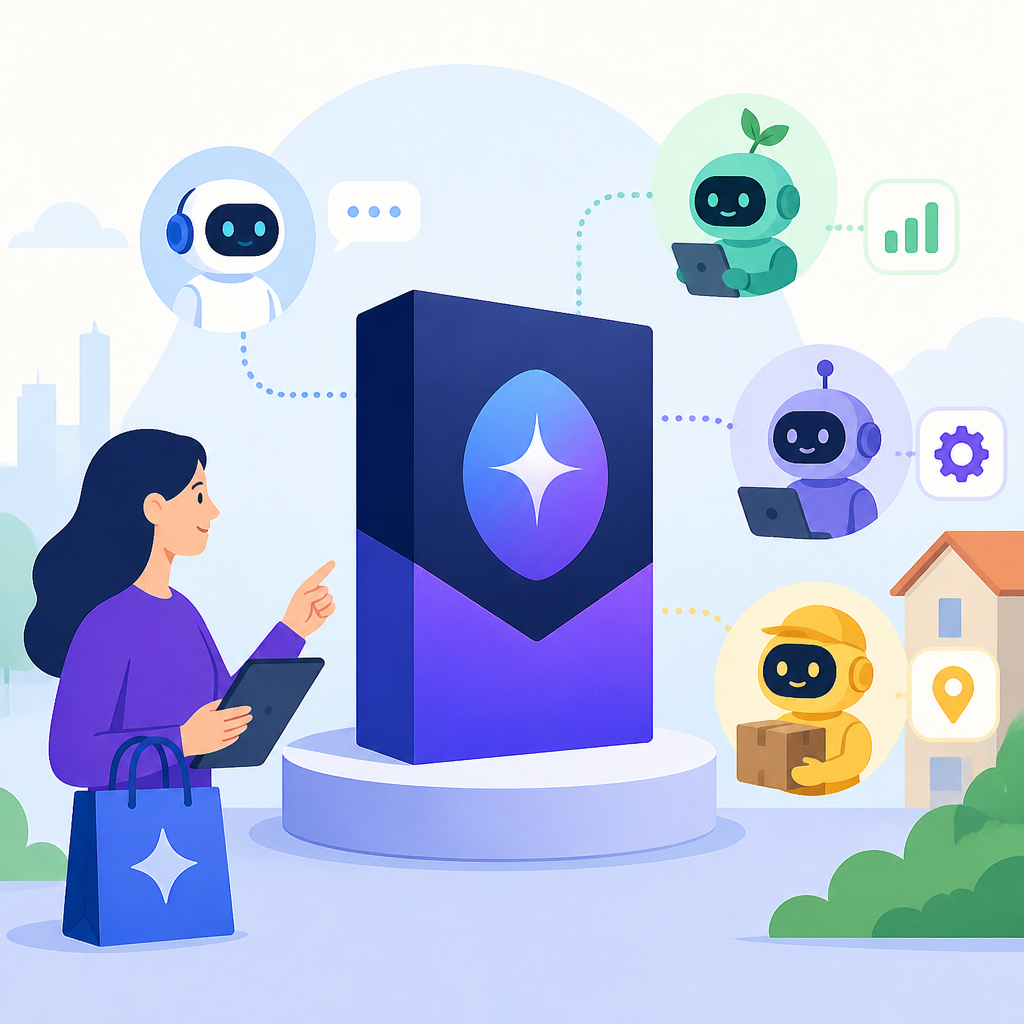
SOLAI says the device supports Claude Code, OpenAI Codex, Gemini CLI, and Hermes. The integrations arrive through the device’s existing OTA update system, which means the company can add runtimes and software layers without asking buyers to reconfigure hardware every time a new agent tool gains traction.
- Local-first deployment for personal AI agents
- OTA-delivered support for multiple frameworks
- Bundled credits for immediate use after setup
- Positioning around developer-agent workflows and persistence
That mix puts Solode Neo in an interesting category. It is part home computer, part AI appliance, part developer workstation. The real bet is that some users will pay for a box that keeps agents alive on their desk instead of renting every interaction from a cloud vendor.
Why the price matters more than the spec sheet
At US$399, Solode Neo is priced like a serious hobbyist device rather than an enterprise server. That is low enough to tempt developers who want a dedicated AI node, but high enough that buyers will expect useful performance and real setup simplicity.
The included token credit changes the first-hour experience. SOLAI says the credits can support up to 20 million tokens for lightweight everyday tasks, though that depends on the model selected and how aggressively the device is used. In practical terms, that gives new owners a buffer before they have to think about metering every prompt.
There is also a strategic reason to bundle credits with hardware. It lowers the friction of trying the product, and it gives SOLAI a way to connect hardware sales with ongoing model-routing usage. That is a familiar play in consumer tech, but here it is aimed at AI workflows rather than phones or smart speakers.
“We are entering a phase where the most useful AI systems will be the ones people can run close to their data,” said Dario Amodei, CEO of Anthropic, in a 2023 interview with The Verge.
That quote captures the logic behind products like Solode Neo. If agents are going to handle code, files, and personal context for hours at a time, location matters. A local box can reduce latency, keep workflows running when a cloud service is flaky, and make data handling feel less exposed.
How Solode Neo compares with cloud-only AI tools
The biggest difference between Solode Neo and cloud-first tools is control. Cloud products are easier to start, but local hardware can keep more of the workflow under your roof. That tradeoff will matter most to developers who care about persistent sessions, private data, and predictable access.
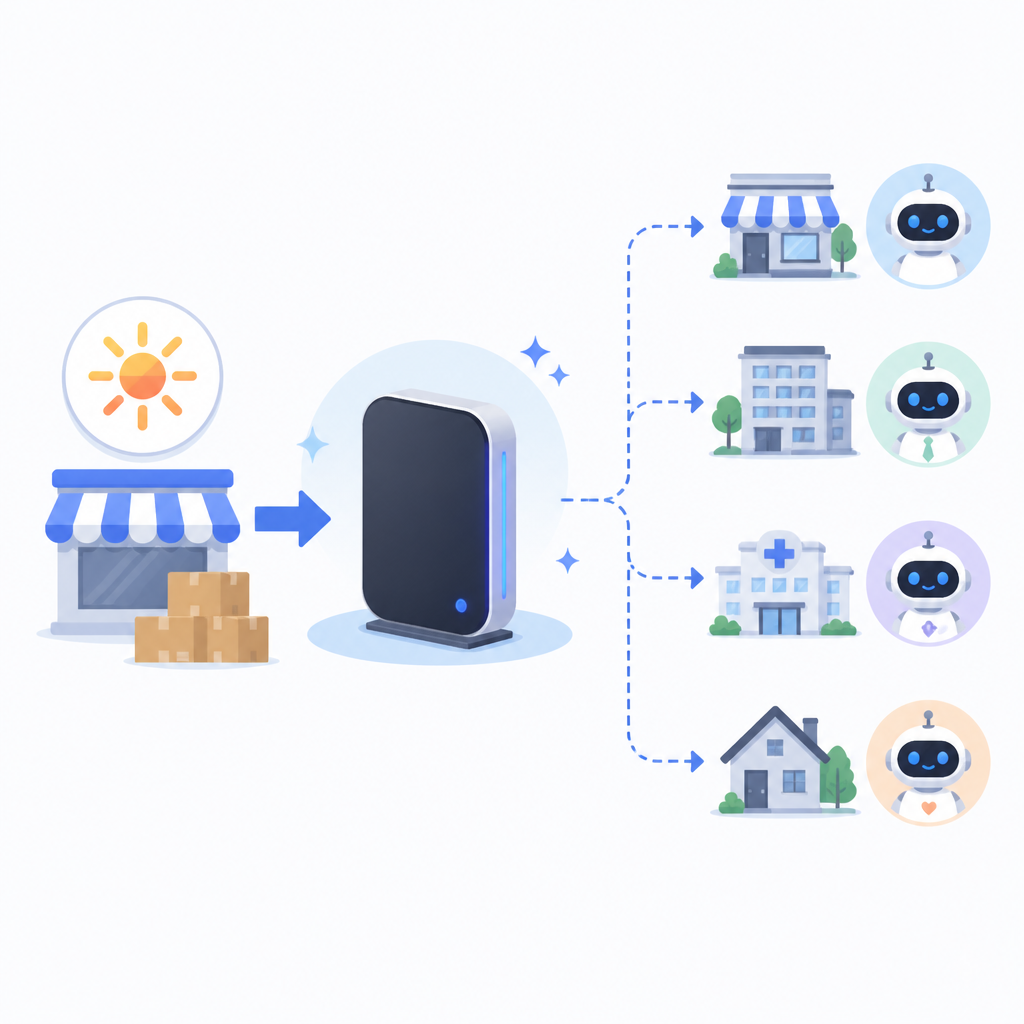
Here is the practical comparison:
- Solode Neo: one-time hardware purchase at US$399, local hosting, bundled credits, OTA updates
- Cloud AI agents: recurring usage costs, provider-managed infrastructure, faster onboarding, less local control
- Developer laptops: flexible and familiar, but usually shared with other work and not optimized for always-on agents
- Dedicated AI appliances: closer to a purpose-built workstation, but only useful if the software stack stays current
SOLAI’s advantage is that it already has experience in hardware deployment and data-center operations, which it highlights in its company profile on its investor relations site. That background does not guarantee product success, but it does explain why the company is comfortable shipping a physical AI node instead of staying in pure software.
The company also has a history that matters here. SOLAI previously operated as BIT Mining, and it still references that legacy in digital asset mining and infrastructure. In other words, this is a firm that knows how to ship and maintain hardware at scale. That matters more for a local AI device than a polished marketing page ever will.
What to watch next
The real question is not whether a personal AI computer can exist. It is whether enough developers want one when cloud agents are already improving fast. If SOLAI keeps shipping new framework support through OTA updates and keeps the setup simple, Solode Neo could become a useful niche machine for agent-heavy workflows.
If you are tracking this category, pay attention to three things: how well the device handles long-running tasks, how quickly SOLAI adds new runtimes, and whether buyers actually use the bundled credits enough to justify the hardware purchase. If those numbers hold up, this product could point to a small but real market for local AI nodes. If they do not, it becomes another reminder that AI software is easy to demo and hard to package into hardware people keep on their desk.
For now, SOLAI has done the part that matters most: it turned a prototype into something people can buy. The next test is whether Solode Neo feels like a tool developers reach for every day, or a neat idea that only looks good on a press release.
// Related Articles
- [MODEL]
GPT-5.6 turns OpenAI into a model menu
- [MODEL]
Seedream 5.0 Pro Is the Right Choice for Editable AI Images
- [MODEL]
Midjourney v8.2 release is close
- [MODEL]
Rust KRAID enters Mesa for Arm Mali GPUs
- [MODEL]
OpenAI Opens GPT-5.6 and Launches Live Voice AI
- [MODEL]
Mistral is right to push Leanstral into proof engineering