Why the LA County Fair guide still matters in 2026
The LA County Fair guide matters because it turns a sprawling event into a plan you can actually use.
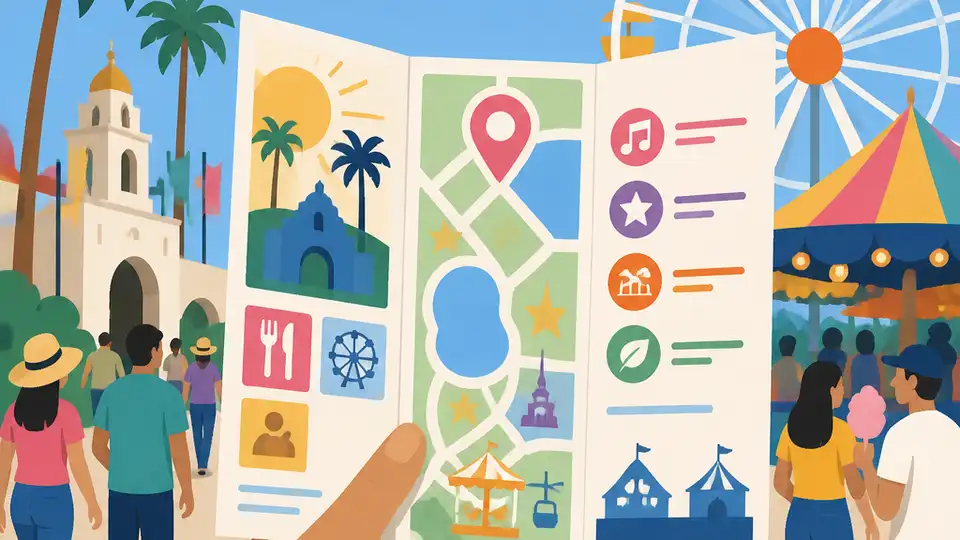
The LA County Fair guide turns a sprawling event into a plan you can actually use.
The 2026 LA County Fair is not just back at Fairplex in Pomona, it is bigger, more expensive, and more logistically demanding than a casual stroll suggests. Tickets start at $18 online, parking starts at $22.50 online, the fair is cashless, and the grounds stretch across more than 500 acres. Add 70 rides, two new attractions, a concert series, and food stalls that range from funnel cake to fried mangonada, and the basic question is no longer whether the fair is worth going to, but whether you show up prepared enough to enjoy it.
First, the guide is a planning tool, not filler
Get the latest AI news in your inbox
Weekly picks of model releases, tools, and deep dives — no spam, unsubscribe anytime.
No spam. Unsubscribe at any time.
The strongest case for a fair guide is simple: the fair now requires decisions before you even arrive. The article lays out the essentials in one place, including ticket prices, parking lots, cashless payment, season passes, and ride wristbands. That matters because the difference between buying online and at the gate is not trivial. Admission jumps from $18 to $32 at the gate, and parking rises from $22.50 online to $26 at the gate. This is not trivia; it is the difference between a smooth entry and a budget surprise.
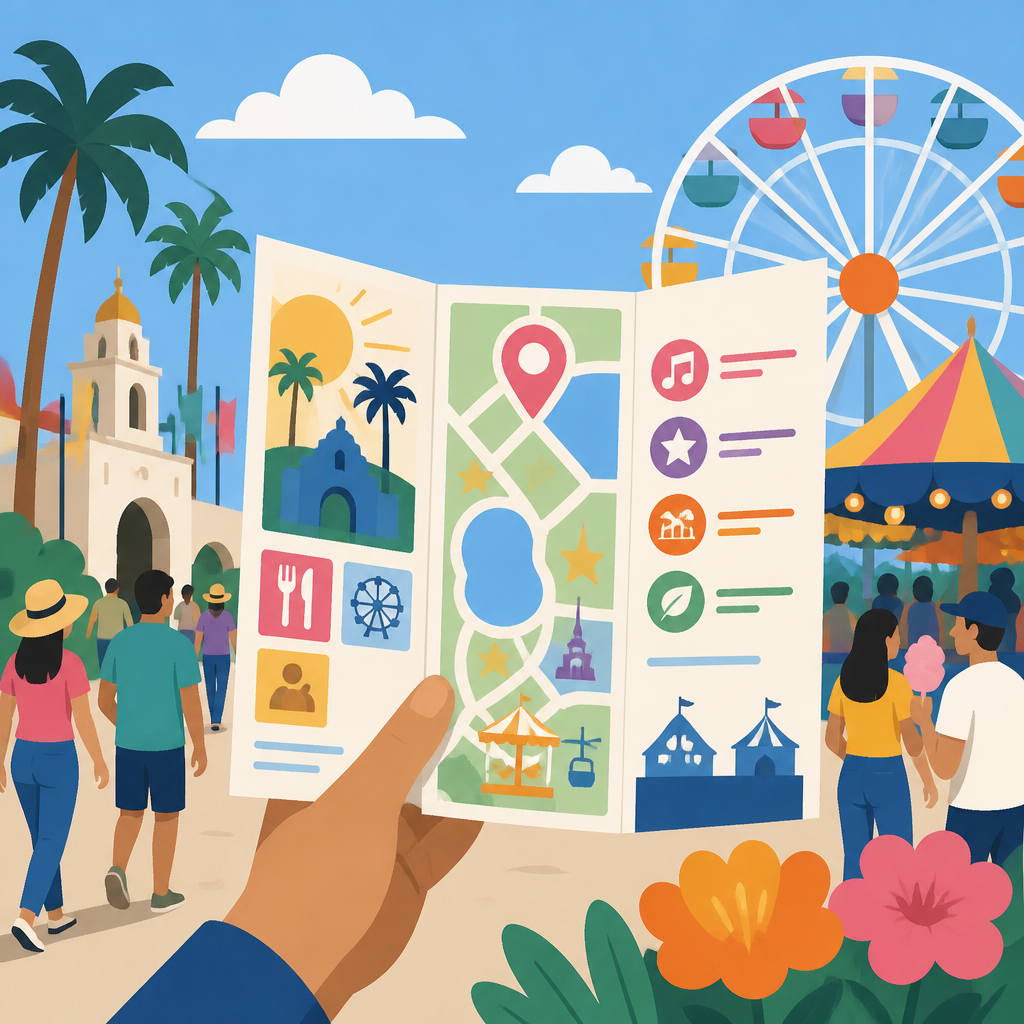
The fair also runs on a schedule that rewards advance planning. It is open Thursday through Sunday from 11 a.m. to 11 p.m., and the concert series is limited to eight shows on Saturday and Sunday evenings. Organizers recommend arriving at least three hours early for concerts to account for parking, entry, and seating. That is exactly why a guide matters. A fair this large punishes improvisation. If you want to see a show, ride the new attractions, and still eat something other than the first fried thing you spot, you need a map and a sequence.
Second, the guide helps you choose what deserves your time
Big events create a false sense of abundance. Everything looks worth doing, so people do less than they intended. The guide cuts through that by naming the most concrete draws: 70 rides, 30 game booths, the Budweiser Clydesdales, barnyard races, petting zoos, and a new pirate-themed play area for children 10 and under near the Lagoon. It also points to “The Cutest Dog Show on Earth,” with rescue pups performing at 2 p.m., 4 p.m., 6 p.m., and 8 p.m. on fair days. Those details are not decorative. They help families and repeat visitors rank the day instead of wandering until everyone is tired.
The same logic applies to food. County fairs survive on novelty, but novelty is only useful if you know where to look. The article pairs the expected staples with the weird, shareable dishes that make the fair feel current: sweet potato smoothie, pickle pizza, spam wonton tacos, and watermelon slices wrapped in fruit roll-up with chamoy and tajin. That list does more than entertain. It tells readers that the fair is still trying to create reasons to return, not just reasons to eat. In a crowded entertainment market, a guide that identifies the standouts helps people spend their limited time on the parts most likely to feel memorable.
The counter-argument
There is a fair criticism here: a guide can flatten the experience. Part of the appeal of a county fair is discovery, the chance to wander into a barn, stumble across a weird snack, or hear music drifting from somewhere you did not plan to visit. Overplanning can turn a day of play into a checklist. If every stop is predetermined, the fair risks becoming a logistics exercise instead of an outing.
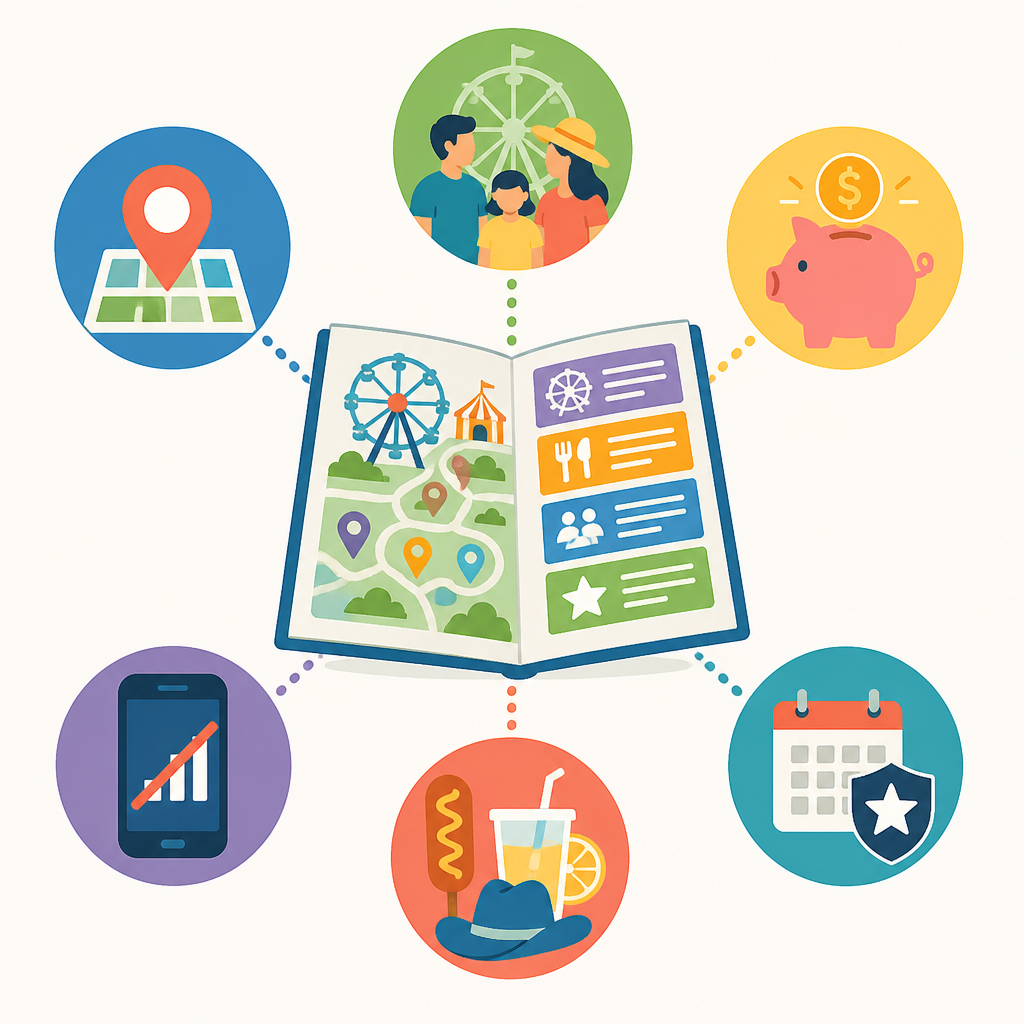
That objection is real, but it misses the point of this kind of guide. It does not replace spontaneity; it protects it. A reader who knows parking, ticketing, and the major attractions can still wander, but without wasting the first hour in line or missing the one thing they came to see. The guide accepts one limit: it cannot tell you exactly which food booth will be your favorite. What it can do is remove the friction that keeps people from finding out.
What to do with this
If you are an engineer, PM, or founder heading to a fair, treat the event like any other high-traffic system: define your constraints before you enter. Buy tickets online, prepay parking, decide whether the concert or rides are the priority, and pick one or two must-see stops so the day has structure. Then leave room for discovery. The best use of a guide is not to script every minute. It is to make sure the day stays fun after the first line, the first detour, and the first impulse buy.
// Related Articles
- [IND]
Anthropic, DOD clash in DC court over blacklisting
- [IND]
4 takeaways from OpenAI’s Musk lawsuit win
- [IND]
5 OpenAI moves shaping the news now
- [IND]
Why Microsoft AI Is Wrong to Sell Trust as the Main Product
- [IND]
Why MP2 Still Matters in Broadcast Audio
- [IND]
Kubernetes 1.36.1 lands with fresh patch releases