Why Qdrant’s vector search gains matter more than raw speed
Qdrant’s new GPU indexing, multi-AZ clusters, and audit logs make enterprise vector search more production-ready.
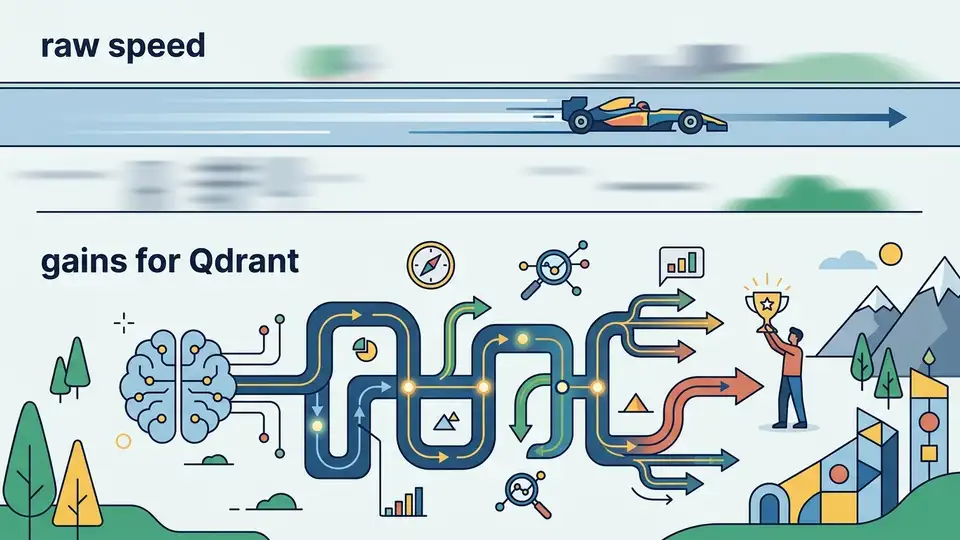
Qdrant’s new GPU indexing, multi-AZ clusters, and audit logs make enterprise vector search more production-ready.
Qdrant is right to treat vector search like infrastructure, not a demo feature. The company’s new GPU-accelerated indexing, three-zone availability, and audit logging target the three questions that decide whether an enterprise AI system survives contact with production: can it keep up, can it stay up, and can it be trusted.
First argument: speed is a deployment problem, not a benchmark trophy
Get the latest AI news in your inbox
Weekly picks of model releases, tools, and deep dives — no spam, unsubscribe anytime.
No spam. Unsubscribe at any time.
GPU-accelerated HNSW construction matters because indexing is where vector systems often stumble. Qdrant says its Cloud setup can build indexes up to 4x faster on dedicated GPUs, which directly attacks the pain point that slows RAG pipelines, refresh cycles, and bulk ingestion jobs. If your embeddings arrive in bursts, faster indexing is not a nice-to-have; it is the difference between an AI app that reacts in minutes and one that lags behind the business.
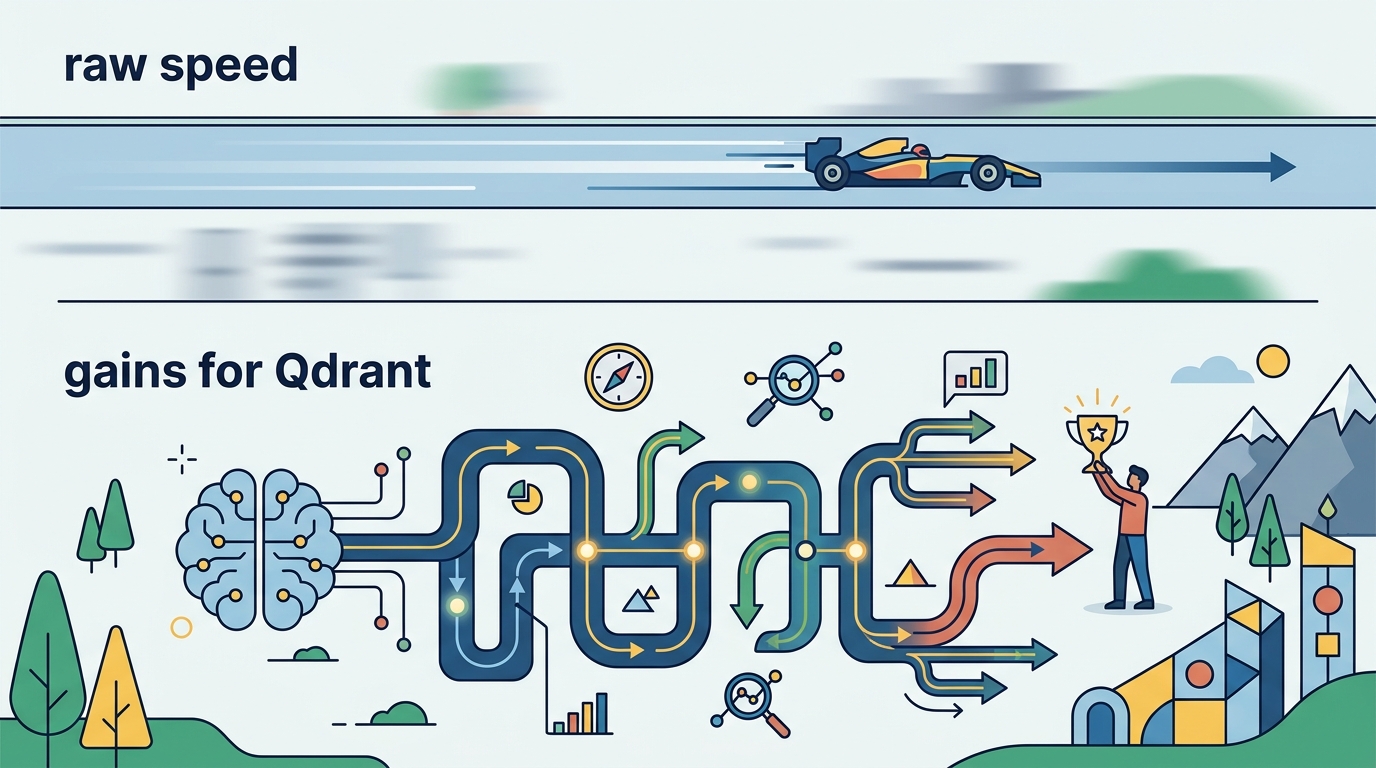
This is the right place to use GPUs. The industry has spent years treating GPUs as inference-only hardware, but vector databases are also graph-construction machines, and graph construction is expensive. Qdrant’s move lines up with what Pinecone and Zilliz have already signaled: vector search performance is now an infrastructure arms race, and the winner is the platform that shortens both query time and data prep time. In enterprise AI, that matters more than a flashy top-line latency number from a lab test.
Second argument: availability and auditability are the real enterprise features
Three-way replication across availability zones is more important than a generic uptime promise because it removes the human step from recovery. Qdrant says reads and writes continue from surviving zones with no failover delay and no customer action required. That is the standard enterprises actually want. A vector store that pauses while a team scrambles to restore service is not resilient, it is merely recoverable after the fact.
Audit logging is the more underrated change. Every query, upsert, delete, collection change, and snapshot operation is recorded in structured JSON with user and API key attribution, timestamp, collection, and allow-or-deny result. That is exactly what regulated teams need when an autonomous agent uses retrieved context to make decisions. If an AI system touches customer data, compliance teams need a trail that shows who asked for what, when, and under which credentials. Without that, enterprise AI remains a governance headache dressed up as a search stack.
The counter-argument
The strongest objection is that Qdrant is polishing operational features while the real bottleneck in AI systems sits elsewhere. Better indexing does not fix bad embeddings. Multi-AZ replication does not fix poor retrieval design. Audit logs do not make an agent less error-prone. From this angle, the announcement looks like vendor-grade hardening around a still-maturing category.
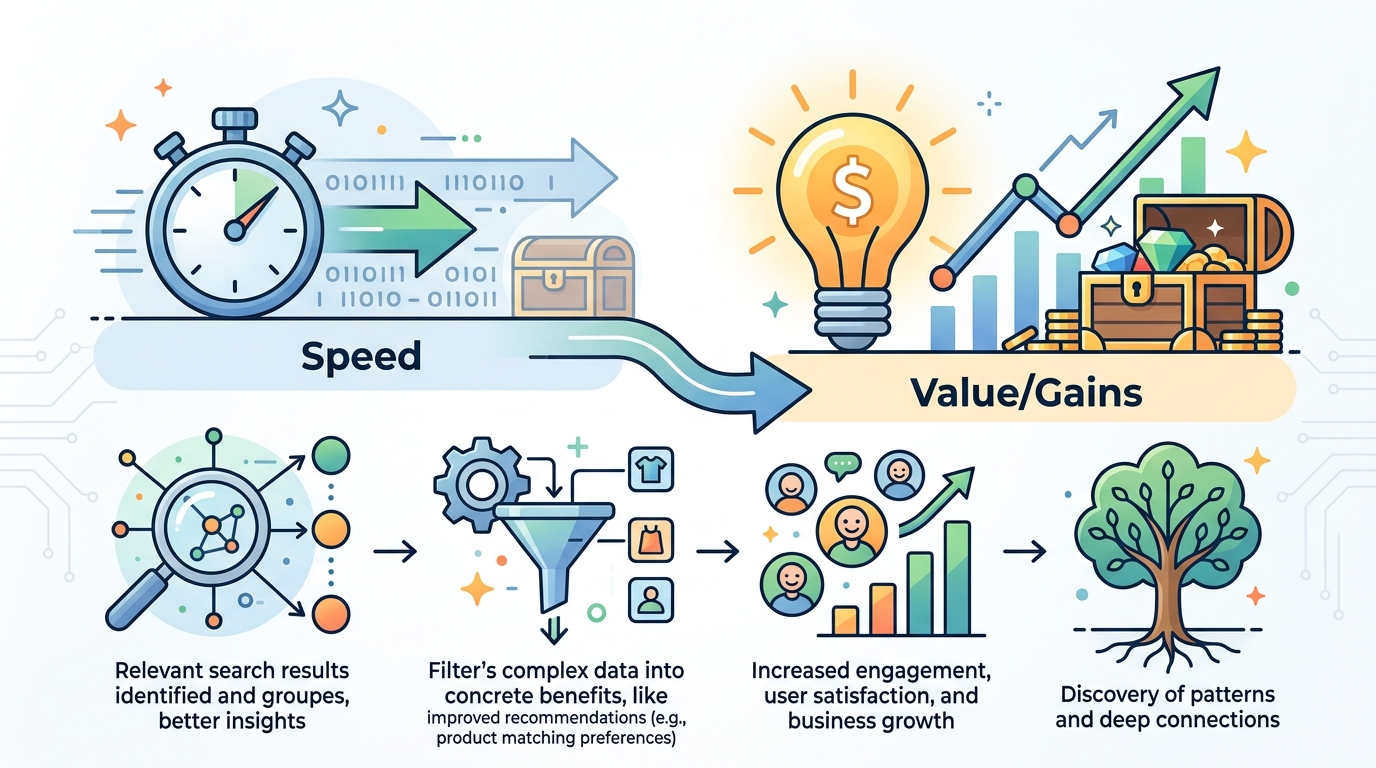
That objection is fair, but it misses how enterprise adoption works. Buyers do not approve AI platforms because they are theoretically elegant; they approve them when the stack clears security review, survives outages, and scales under load. Qdrant is not claiming these features solve model quality. It is claiming they remove the reasons ops, security, and compliance teams say no. That is a concrete and valuable advance, not a distraction.
What to do with this
If you are an engineer, stop evaluating vector databases only on retrieval quality and start testing them against production failure modes: bulk reindex speed, zone loss behavior, and audit exportability. If you are a PM or founder, treat these features as adoption gates, not optional extras. The platform that wins enterprise AI is the one that makes the security team comfortable, the SRE team bored, and the compliance team able to answer questions without a fire drill.
// Related Articles
- [IND]
WebX 2026 turns speaker hype into a conference brief
- [IND]
AI Weekly: 2026-07-06 ~ 2026-07-13
- [IND]
The AI Act should be treated as Europe’s operating system for AI
- [IND]
Booz Allen’s OpenAI Deal Is Real Advantage, Not Hype
- [IND]
OpenSearch’s vector search benchmark in 5 parts
- [IND]
Vector Databases That Work in Production