Why Ripple Is Losing the Payment Narrative to Layer 2 Hype
Ripple is losing the digital payments narrative because Layer 2 projects sell speed, low fees, and retail reach more aggressively.
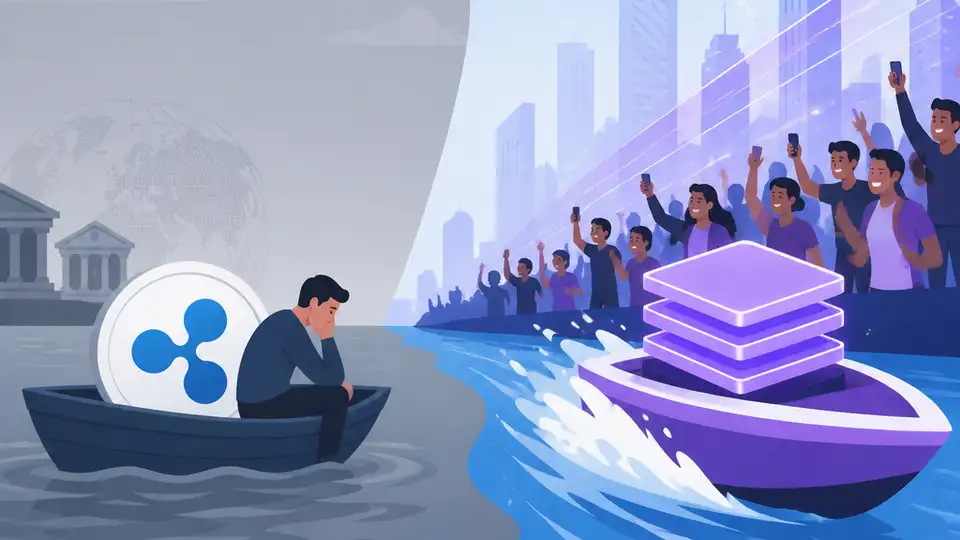
Layer 2 payment projects are outpacing Ripple in the retail crypto payments story.
Ripple spent years selling a clean promise: move value quickly across borders, cut friction, and make corporate payments less painful. That pitch still matters, but the market has moved. In the current cycle, attention follows projects that package speed, low fees, and consumer-facing utility into a louder narrative. The latest wave of Layer 2 entrants is doing exactly that, and it is stealing the spotlight from older payment networks that once looked unchallenged. DOGEBALL, the project highlighted in the source article, is a perfect example of how the conversation has shifted from bank rails to retail excitement, presale mechanics, and instant settlement claims.
Layer 2 projects are winning on the story, not just the tech
Get the latest AI news in your inbox
Weekly picks of model releases, tools, and deep dives — no spam, unsubscribe anytime.
No spam. Unsubscribe at any time.
Layer 2 networks succeed when they make infrastructure feel simple. DOGEBALL’s pitch centers on near-instant transfers, low-cost transactions, and an app that claims to send digital assets directly to bank accounts in more than 30 countries. That is a sharper consumer message than the old enterprise-first language used by Ripple and similar networks. Even if the underlying architecture is less proven, the promise is easier to understand: cheaper payments, faster settlement, and fewer intermediaries.
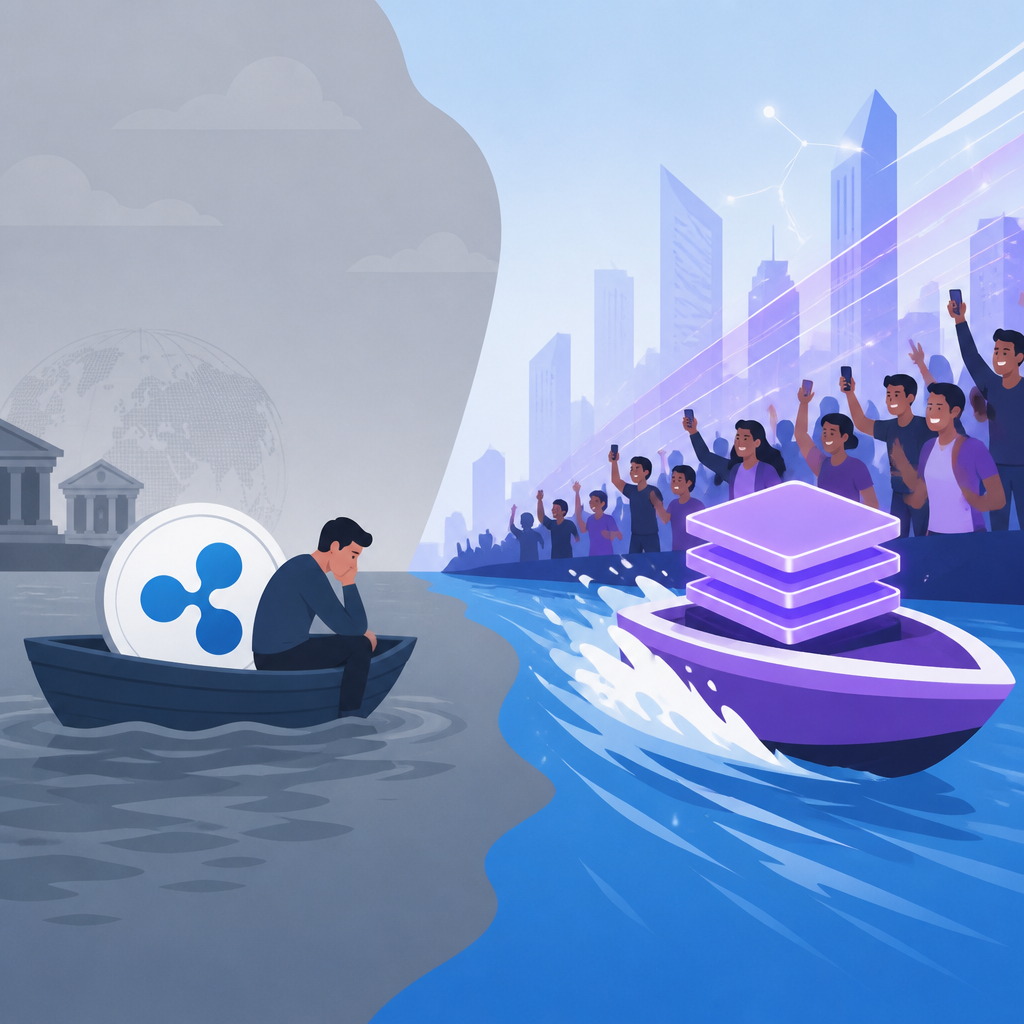
The article’s own numbers show why this story spreads fast. DOGEBALL’s presale reportedly moved through phase three with more than 1,000 investors and over $288,000 committed, while its token burn removed 4 billion tokens, or 20% of supply. Those figures are not evidence of durable product-market fit, but they are evidence of momentum. In crypto, momentum often matters more than sober utility when investors decide what to watch next.
Retail finance now rewards accessibility over institutional credibility
Ripple’s original strength was its appeal to corporate finance networks. That was a serious position, but it also boxed the brand into a narrower audience. Retail users do not care about corridors, liquidity management, or settlement language unless those concepts are translated into something they can touch. DOGEBALL’s DOGEPAY app does that translation by framing itself as a global payments tool that anyone with a Web3 wallet can use. It is not subtle, but it is effective.
That accessibility is reinforced by the presale structure. Twenty phases, short windows, token bonuses, and a stated price jump from $0.0005 to $0.015 are all designed to turn participation into urgency. Whether or not the valuation math survives contact with the market is beside the point. The design works because it lowers the barrier to emotional entry. A retail buyer can grasp the upside story in seconds, while Ripple’s broader value proposition still requires explanation.
Token economics now drive attention more than payment utility
In theory, payment networks should be judged by throughput, reliability, and cost. In practice, crypto audiences often respond first to token mechanics. DOGEBALL’s burns, bonus codes, and staged pricing are built to create scarcity and reinforce the feeling that early participation matters. That is the kind of mechanism that generates social sharing, not just technical interest. It turns a payment project into a market event.
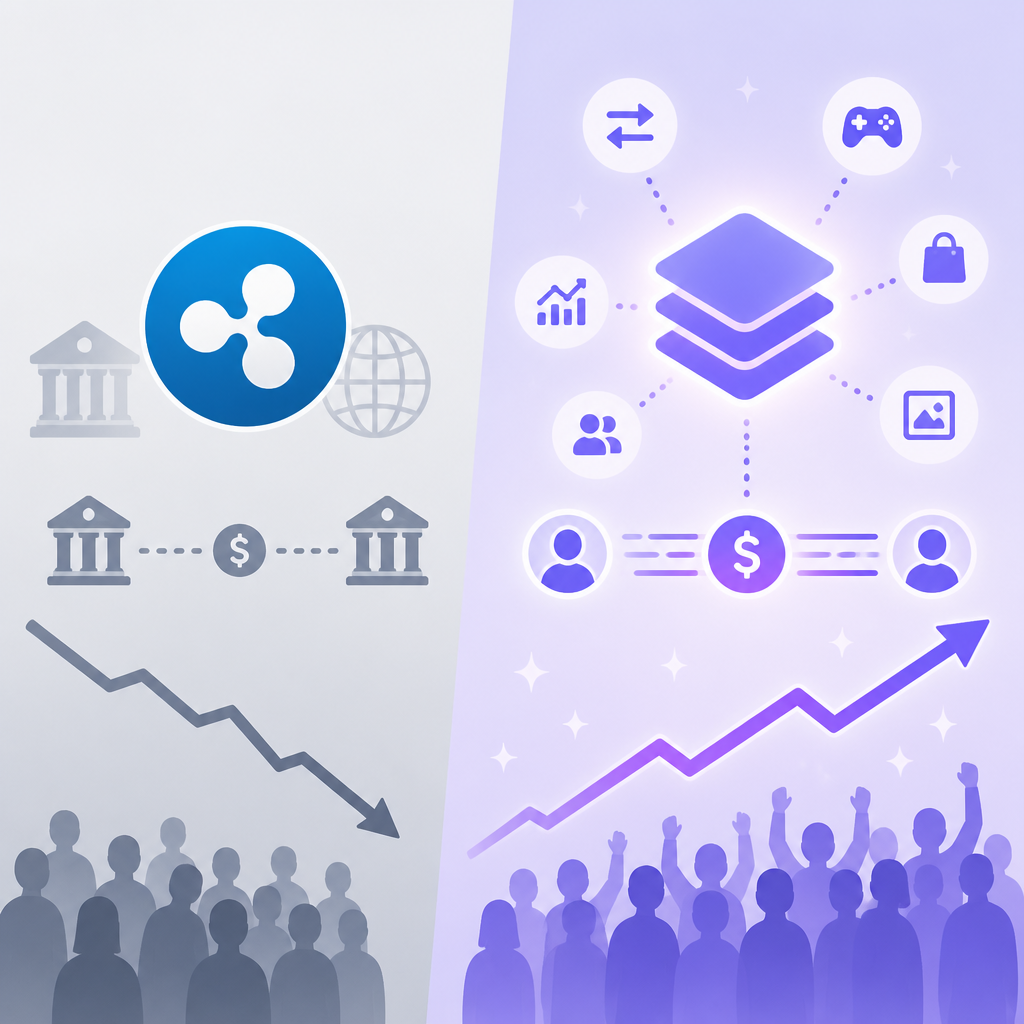
This matters because the market is not only comparing products, it is comparing narratives. Ripple can point to years of work and a more mature network story, but the buzz economy favors projects that can compress a complex thesis into a simple trade. DOGEBALL’s claimed 2,900% upside for early buyers is a textbook example. It may be speculative, but it is legible. Legibility wins attention, and attention is the first currency in crypto.
The counter-argument
Ripple defenders will say this is all noise. They will argue that payment infrastructure should be judged on adoption, compliance, and long-term reliability, not on presale theatrics. That is a strong case. Enterprise-grade networks are built slowly because money movement is unforgiving, and a project that promises direct bank transfers, low fees, and instant settlement still has to prove it can operate at scale without breaking trust. On that standard, most flashy Layer 2 entrants are not serious competitors yet.
That critique is correct on one narrow point: hype does not equal durability. But it misses the market reality. The question is not which network is more respectable in a white paper. The question is which network captures mindshare in a crowded payment market. On that score, Ripple is still fighting an old battle while Layer 2 projects are selling a newer, simpler, more viral promise. The limit is obvious, though: if DOGEBALL or any similar entrant fails to deliver real transaction utility, the attention will vanish as quickly as it arrived.
What to do with this
If you are an engineer, PM, or founder, stop treating payment infrastructure as a pure technology contest. The winners are the teams that pair credible rails with a story users understand instantly. Build for speed, fee reduction, and settlement reliability, but package those benefits in a product that feels usable on day one. If you are evaluating a project like DOGEBALL, separate the mechanics that create attention from the mechanics that create lasting value. In crypto payments, the market rewards both, but only one survives.
// Related Articles
- [CHAIN]
UAE Web3 setup turns crypto rules into a checklist
- [CHAIN]
Five AI Futurist features shaping Futurist 2026
- [CHAIN]
Regulation Now Moves Bitcoin and Ethereum More Than War
- [CHAIN]
The SEC Crypto Rule Proposal Will Clean Up Crypto, Not Kill It
- [CHAIN]
Web3 platforms need fee discipline, not token theatrics, to make money
- [CHAIN]
Riyadh’s blockchain show proves Web3 is now infrastructure