JiuwenClaw Bets on Self-Evolving AI Agents
openJiuwen’s JiuwenClaw focuses on task completion, memory, and self-improvement, aiming to finish work in messy real-world apps.
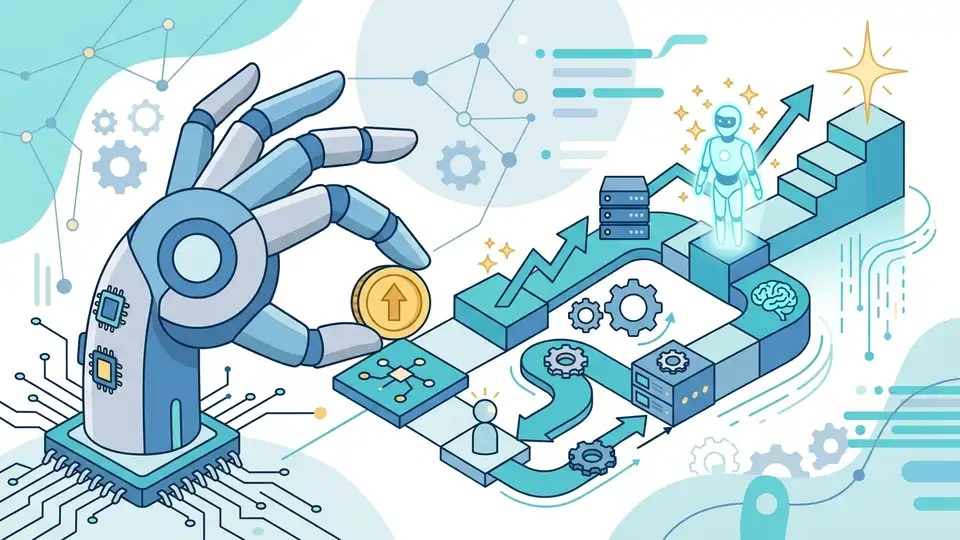
openJiuwen has released JiuwenClaw, an AI agent built around a simple test: can it finish a task after the instructions change midstream? The team is pitching it less as a chat companion and more as an executor that keeps going when the work gets messy.
That matters because most agent demos look great until the user asks for a revision, a reordered step, or a different output format. JiuwenClaw is designed for those moments, with task interruption, persistent memory, browser control, and a self-evolution loop that tries to improve from failures.
What JiuwenClaw is trying to fix
Get the latest AI news in your inbox
Weekly picks of model releases, tools, and deep dives — no spam, unsubscribe anytime.
No spam. Unsubscribe at any time.
The basic complaint about many AI agents is familiar: they can explain a workflow, but they lose the thread when the workflow changes. A spreadsheet task turns into a duplicate-removal request, then a summary request, then a formatting request, and the agent starts over instead of continuing from the current state.
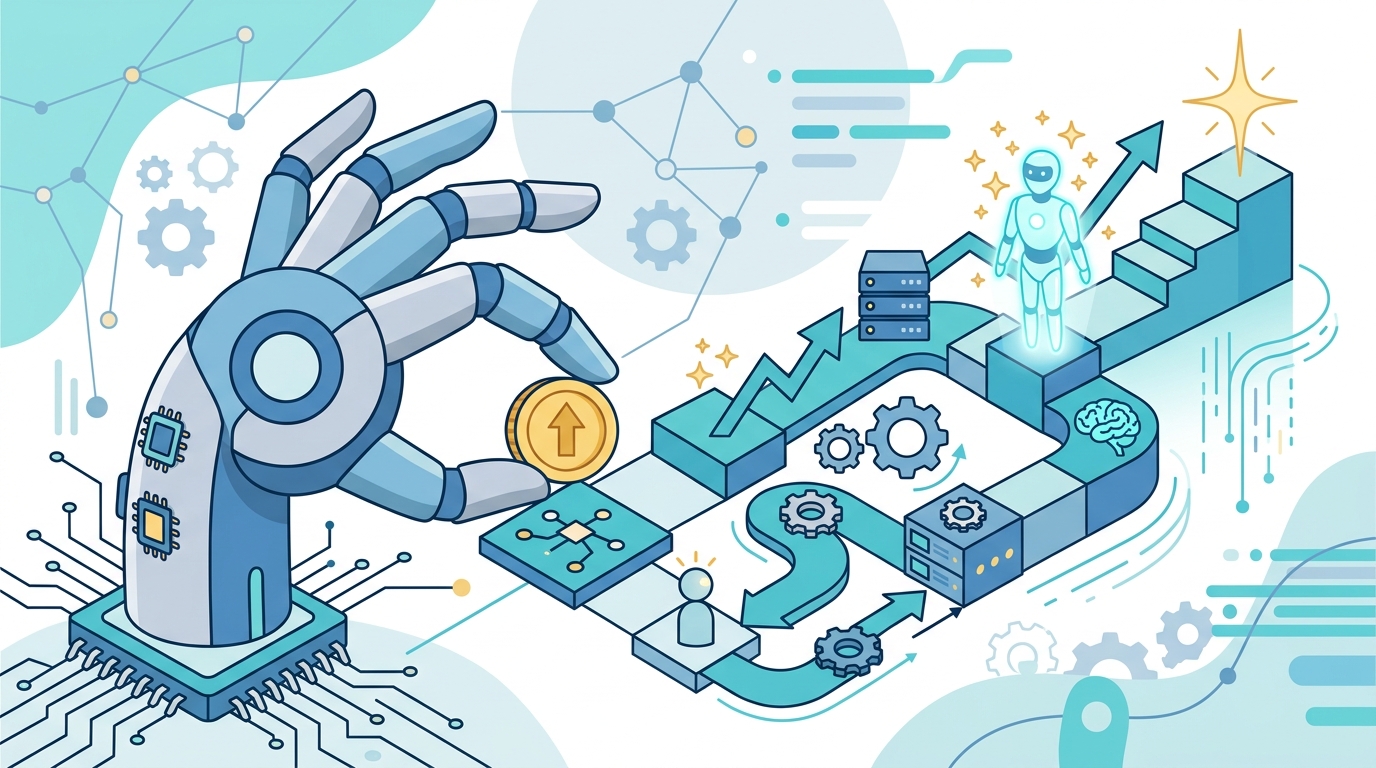
JiuwenClaw takes a more operational approach. It keeps task state visible, supports insertion and reordering of steps, and treats the user’s changes as part of the same job rather than a fresh prompt. That is a practical distinction, and it is the kind that matters in office automation more than benchmark theater.
The project’s public material highlights several concrete capabilities:
- Task interruption, insertion, reordering, and removal during execution
- A three-layer memory system with stable identity, long-term background, and dynamic trajectory storage
- Context slimming that compresses redundant details while keeping the useful parts
- Local browser takeover with cookies, cache, and logged-in profile data for real web apps
The emphasis on local browser state is important. A lot of browser agents are tested in clean sandboxes, which is tidy but unrealistic. Real work happens inside authenticated sessions, with cookies, cached pages, and all the annoying residue of actual usage.
That is where JiuwenClaw is trying to be different. It aims to work inside the browser profile you already use, which should reduce the repeated logins and CAPTCHA loops that break many automation demos before they get interesting.
The self-evolution angle is the real bet
JiuwenClaw’s most interesting claim is not that it can call tools. Plenty of systems can do that. The bigger idea is that it can learn from failed execution and user corrections, then update its skills through an execution-to-learning loop.
According to the openJiuwen team, the flow looks like this: execution, failure, learning, optimization, re-execution. In practice, that means a bad tool call or a blunt user correction does not end the story. The agent logs the issue, analyzes the root cause, and attempts a better approach the next time.
“The future is already here — it’s just not very evenly distributed.” — William Gibson
That quote fits this release well. Self-improving agents are easy to talk about, but much harder to make reliable in day-to-day use. JiuwenClaw is trying to make that idea concrete by turning mistakes into training signals instead of dead ends.
The architectural idea here is straightforward, even if the implementation is not. A static agent can only do what it was originally wired to do. A self-evolving one tries to adjust its behavior after each failure, which is exactly what you want when the work involves changing tools, changing requirements, and changing browser states.
That also changes how users may think about prompting. If the system really learns from feedback, the best interaction is no longer a perfect prompt. It is a short correction that improves the next run.
How it compares with other agent systems
JiuwenClaw is entering a field where the useful comparison is not “which agent sounds smartest,” but “which one finishes the job.” On that metric, the differences get sharper fast.

OpenAI’s ChatGPT Agent and Anthropic’s Claude Code both push toward tool use and longer workflows, but JiuwenClaw is leaning harder into task continuity, local environment access, and skill adaptation. That makes it feel closer to an operations layer than a polished conversational assistant.
- Task continuity: JiuwenClaw is built around interruption and reordering, while many agents still treat edits as separate prompts
- Memory design: the three-layer memory model is aimed at long-running work, not just short chat sessions
- Real browser state: local profile takeover is meant to work in authenticated environments, where clean-sandbox agents often fail
- Learning loop: the system tries to improve after tool failures and user feedback, instead of repeating the same mistake
There is also a deployment story here. The project says it supports channels like Telegram, WhatsApp, Feishu (Lark), and web access, plus private deployment for organizations that want tighter control over data.
That matters because a lot of agent products still feel like separate destinations. JiuwenClaw is trying to sit inside the tools people already use, which is a better fit for real workflow automation than asking users to bounce between tabs and demos.
Why this release matters for agent builders
JiuwenClaw is interesting because it shifts the conversation from “Can the model understand me?” to “Can the system keep working after the task changes?” That is a much more useful question for teams building internal tools, support automation, content workflows, and browser-based operations.
If the openJiuwen team can make the self-evolution loop dependable, the project could become a useful reference point for agent design. The combination of task planning, memory layering, local browser access, and feedback-driven improvement points toward a practical kind of agent, not a demo-friendly one.
For developers, the takeaway is simple: the next wave of agent competition will likely reward systems that remember context, survive interruptions, and learn from mistakes. If JiuwenClaw’s approach holds up outside its own demos, expect more teams to copy the same structure instead of chasing prettier chat output.
For now, the smartest move is to test these agents against ugly workflows, not ideal ones. Try a login-heavy browser task, a multi-step edit with midstream changes, or a long-running job that needs correction halfway through. That is where JiuwenClaw’s claims will either hold up or fall apart.
And that is the question worth watching next: when users stop asking agents to answer and start asking them to finish, which systems actually make it to the end?
// Related Articles
- [AGENT]
Perplexity should build Teammate as a coding agent, not a copilot
- [AGENT]
HP adopts OpenAI Frontier across global operations
- [AGENT]
Build a production vector DB for RAG
- [AGENT]
Ornith-1 turns agent coding into a server
- [AGENT]
Crypto AI agents are useful, but only for narrow workflows
- [AGENT]
AI Agents in Crypto: 2026 Protocol Guide