Layer 2 for High-Volume MLM Transactions
Layer 2 can cut MLM payout fees by up to 99% and speed settlement from seconds to milliseconds, making micro-commissions practical.
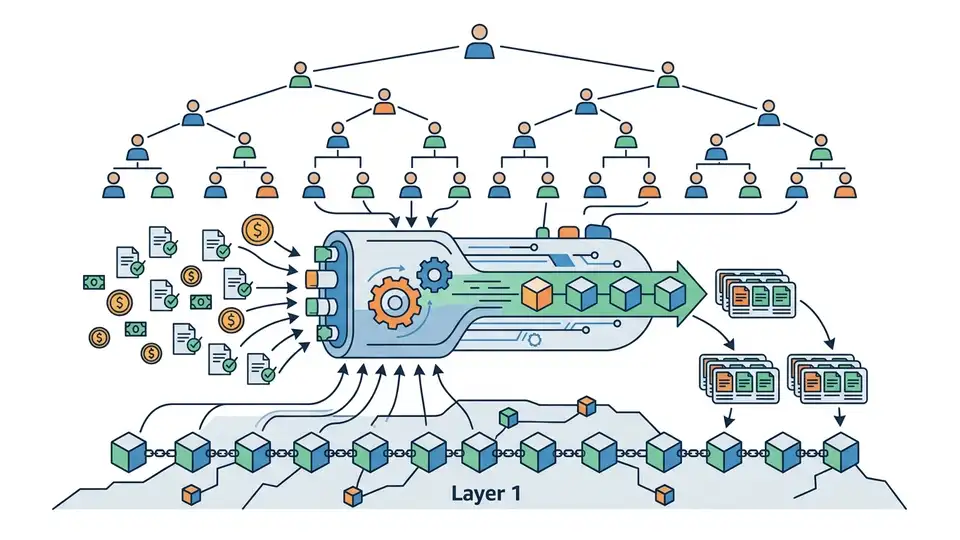
If your MLM platform pays out thousands of commissions a day, Layer 1 blockchain fees get painful fast. On Ethereum, a simple transfer can cost $1 to $20+ during busy periods, while Layer 2 transfers on Arbitrum and zkSync often cost under $0.02.
That gap matters because MLM systems are full of tiny payouts: referral bonuses, level commissions, rank rewards, and token incentives. Once those payments multiply across thousands of distributors, the chain choice becomes a business decision, not just a technical one.
Why MLM payout volume breaks Layer 1
Get the latest AI news in your inbox
Weekly picks of model releases, tools, and deep dives — no spam, unsubscribe anytime.
No spam. Unsubscribe at any time.
A typical MLM compensation engine does far more than send one payment for one sale. A single order can trigger direct commissions, multiple uplines, rank checks, pool rewards, and sometimes token distributions too. That means one customer purchase can turn into half a dozen on-chain transactions.
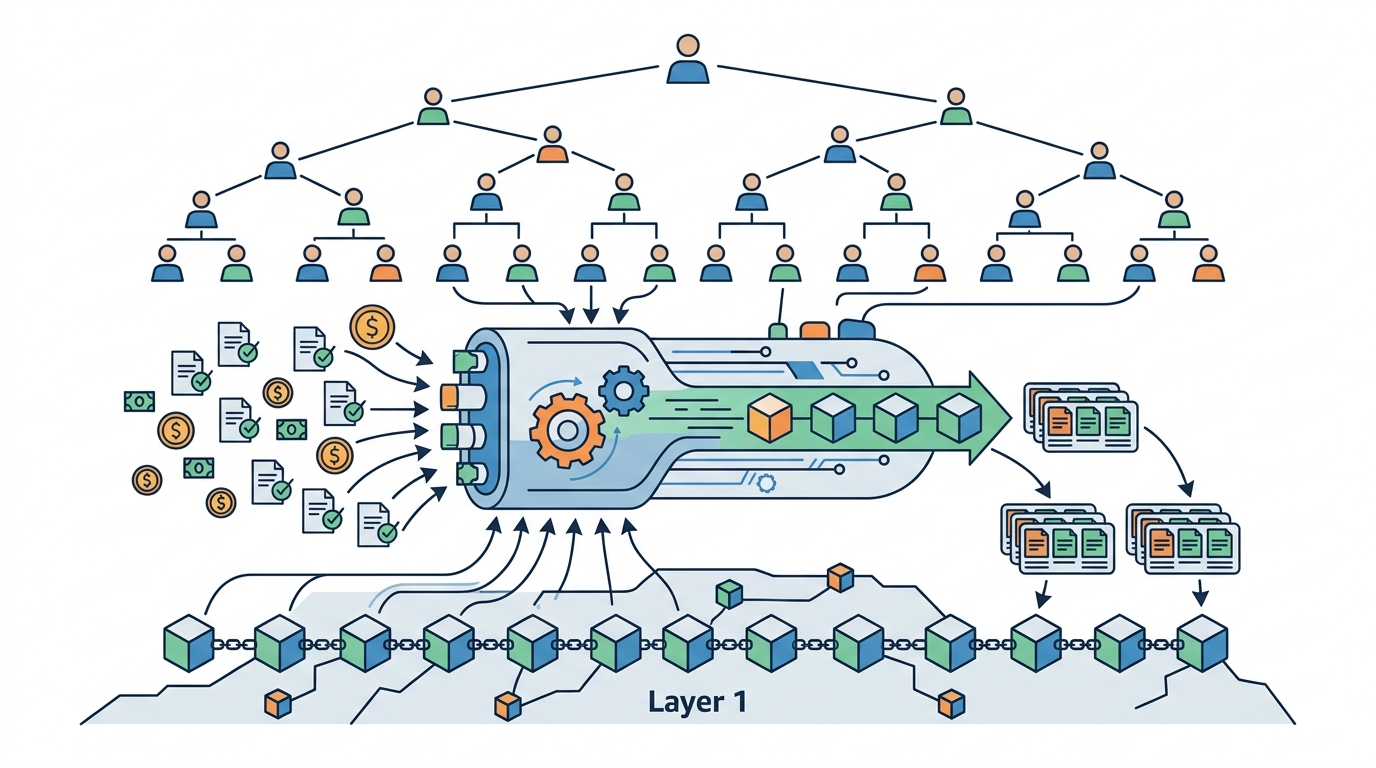
Now scale that to a network with 10,000 active distributors and hundreds of daily sales. The math gets ugly quickly, because every payout competes for block space and every failed transaction creates support tickets, payout delays, and trust issues.
Ethereum mainnet can process roughly 15 to 30 transactions per second. That is fine for many use cases, but it is not ideal for high-frequency commission systems. Even faster chains still have fee spikes and congestion patterns that make small payouts awkward.
- One MLM sale can trigger 6 to 12 blockchain transactions.
- 500 daily sales can create 3,000 to 6,000 on-chain actions.
- Ethereum gas fees have exceeded $20 per transaction during congestion.
- A $5 commission that costs $15 to send is a bad business model.
What Layer 2 changes in practice
Layer 2 moves most transaction work off the base chain, then settles the final result on Layer 1. In plain English, that means the blockchain no longer needs to record every single commission payment one by one. It can batch many actions together and write a compressed summary to the main chain.
This is why Layer 2 is such a strong fit for commission-heavy platforms. It cuts costs, improves speed, and keeps the settlement trail anchored to a major chain. For an MLM operator, that means less time spent worrying about gas spikes and more time focused on payouts that actually arrive on schedule.
Ethereum documents Layer 2 as a scaling approach that improves throughput while preserving the base layer’s security model. That matters because MLM platforms need both: fast payouts and a settlement record users can trust.
“If you want to scale Ethereum, the answer is not to make Layer 1 do everything.” — Vitalik Buterin
That quote matters here because MLM payout systems are exactly the kind of workload that overloads Layer 1. They need volume handling, batching, and low-cost settlement more than they need every transfer to hit the base chain individually.
Which Layer 2 type fits MLM systems best
Not every Layer 2 design fits every compensation model. Some work better for recurring micro-payments, while others are better for full platform deployment or regional sub-networks. The right choice depends on how your MLM engine moves value.
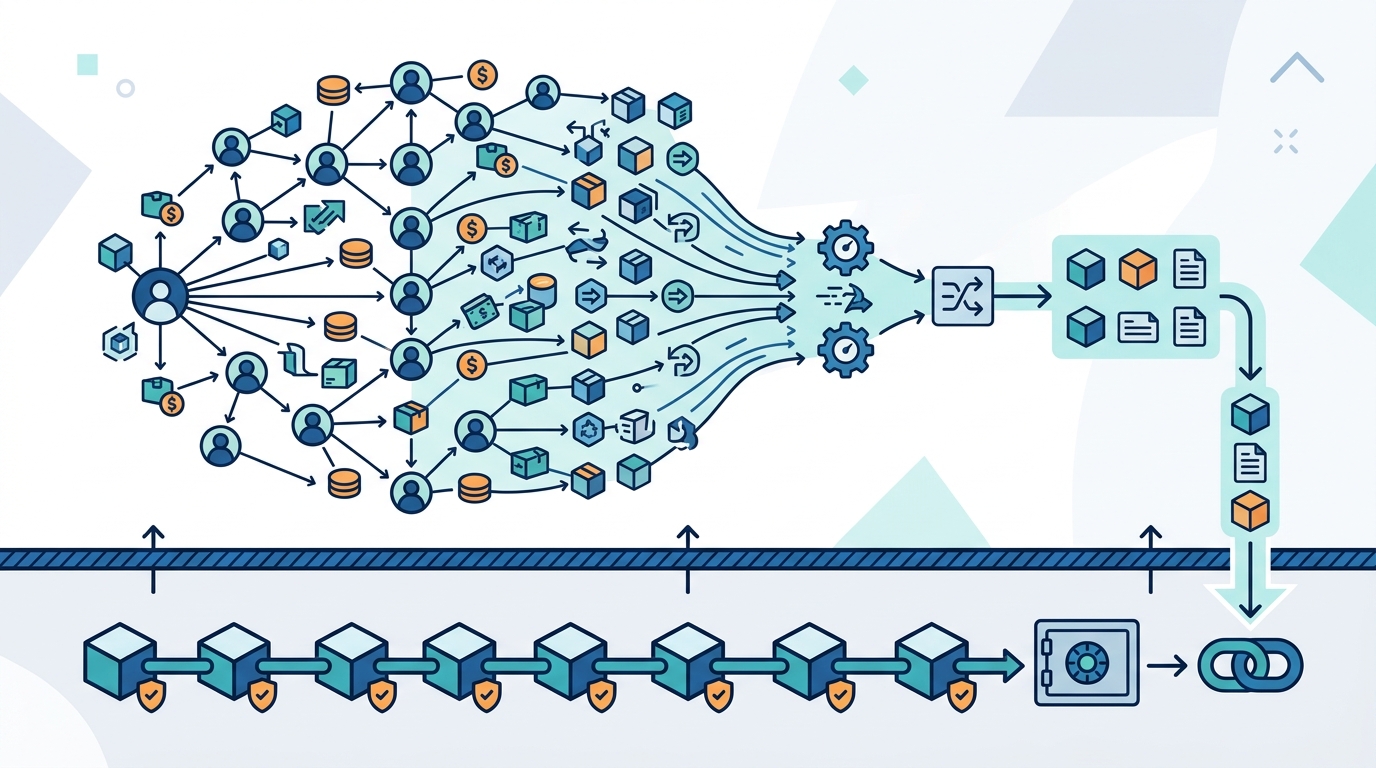
Polygon, Arbitrum, and zkSync are the names most teams recognize first, but the underlying design matters more than the brand. State channels, sidechains, rollups, and Plasma each solve a slightly different problem.
- State channels fit repeated payments between the same parties, like ongoing bonus transfers.
- Sidechains fit full platform deployments that want low fees and fast execution.
- Optimistic rollups fit batch payouts where fraud proofs and lower fees matter.
- ZK-rollups fit high-security commission flows that need fast finality and strong cryptographic proofs.
For most serious MLM platforms, rollups are the best default. Optimistic rollups are widely used, but they often come with a challenge period before final settlement. ZK-rollups remove that waiting period by proving validity before posting the batch.
That difference is a big deal for payout operations. If your business wants near-instant confirmation and low fees at the same time, ZK-rollups are usually the cleaner fit.
Cost, speed, and real payout numbers
The biggest argument for Layer 2 is simple: the numbers are much better. Fee data from L2Fees.info shows token transfers on Arbitrum and zkSync often below $0.02, while Ethereum mainnet transfers can range from $1 to more than $20 depending on congestion.
That difference compounds fast in an MLM business. If you pay 500 wallets per day and save just $1 per transfer, that is $500 saved daily. Over a year, that is roughly $180,000 in avoided fees. If you save $5 on average, the number jumps much higher.
Speed matters just as much as cost. Many Layer 2 systems confirm transactions in seconds, while Ethereum mainnet confirmations can stretch longer during busy periods. For distributors checking dashboards and waiting for commissions, that delay feels like a broken system even when the transaction eventually succeeds.
- Ethereum Layer 1: about 15 to 30 TPS.
- zkSync Era: public production claims above 2,000 TPS.
- Layer 2 transfer fees: often under $0.02.
- Layer 1 transfer fees: often $1 to $25+.
- Fee reduction: commonly 90% to 99%.
Those numbers explain why Layer 2 is moving from “nice to have” to “default architecture” for payment-heavy crypto apps. MLM platforms are a natural fit because they generate lots of small, repeated transfers instead of occasional large ones.
Security and the trade-offs you still have to manage
Layer 2 does not remove every problem. It changes the shape of the problem. You still need smart contract audits, clear data availability, and a strong bridge strategy. If the bridge is weak, the whole payout system inherits that risk.
Arbitrum and zkSync help reduce fee pressure, but your team still needs to think about liquidity fragmentation, wallet support, and user education. Many distributors do not care what chain you picked. They care whether the payout arrived and whether they can withdraw it without confusion.
There is also a practical integration cost. If your existing MLM stack was built around Layer 1 assumptions, moving to Layer 2 can require changes in payout logic, wallet flows, and reconciliation tools. That is a one-time pain, but it is real.
The upside is that this pain is manageable, and the payoff is measurable. Better throughput, lower fees, and faster commission settlement are not abstract benefits. They show up in support volume, payout reliability, and distributor retention.
What comes next for MLM platforms on Layer 2
The next wave is likely to combine Layer 2 with automation, AI-driven payout routing, and even application-specific chains for large networks. That could make commission systems easier to operate across regions, currencies, and reward models.
For teams building today, the practical question is not whether Layer 2 matters. It is which one fits your payout pattern, your security needs, and your user base. If your platform processes many small commissions, waiting on Layer 1 is a tax you probably do not need to pay.
My take: if your MLM system pays out more than a few hundred transfers per day, you should test a Layer 2 rollout now, before fee spikes or congestion force the issue. The next product decision is simple: keep treating commissions like occasional transfers, or build them like the high-volume payment system they already are.
// Related Articles
- [CHAIN]
UAE Web3 setup turns crypto rules into a checklist
- [CHAIN]
Five AI Futurist features shaping Futurist 2026
- [CHAIN]
Regulation Now Moves Bitcoin and Ethereum More Than War
- [CHAIN]
The SEC Crypto Rule Proposal Will Clean Up Crypto, Not Kill It
- [CHAIN]
Web3 platforms need fee discipline, not token theatrics, to make money
- [CHAIN]
Riyadh’s blockchain show proves Web3 is now infrastructure