Why Story’s Azuki-Verse8 deal matters for AI game creation
Story’s Azuki integration with Verse8 is a real step toward licensed, monetized AI game creation.

Story’s Azuki integration with Verse8 makes licensed AI game creation more practical.
Story’s integration of Azuki with Verse8 is the right move because AI game creation will only scale when rights, attribution, and royalties are built into the workflow, not bolted on afterward. The announcement is not about another branded demo; it is about turning IP into something creators can actually use inside a natural-language game builder with a clear licensing path. That matters because the biggest bottleneck in AI-generated games is not generation quality, but whether anyone can legally ship, monetize, and defend what they make.
First, rights infrastructure is the real product
Get the latest AI news in your inbox
Weekly picks of model releases, tools, and deep dives — no spam, unsubscribe anytime.
No spam. Unsubscribe at any time.
Verse8 lets users create and publish 2D and 3D multiplayer games from prompts alone, which is impressive, but prompt-to-game tools without rights rails are a legal mess waiting to happen. Story says it is providing licensing, copyright attribution, and programmable royalties, which means the creator does not have to guess whether an asset is safe to use or how revenue will be shared. That is the difference between a toy and a production pipeline.
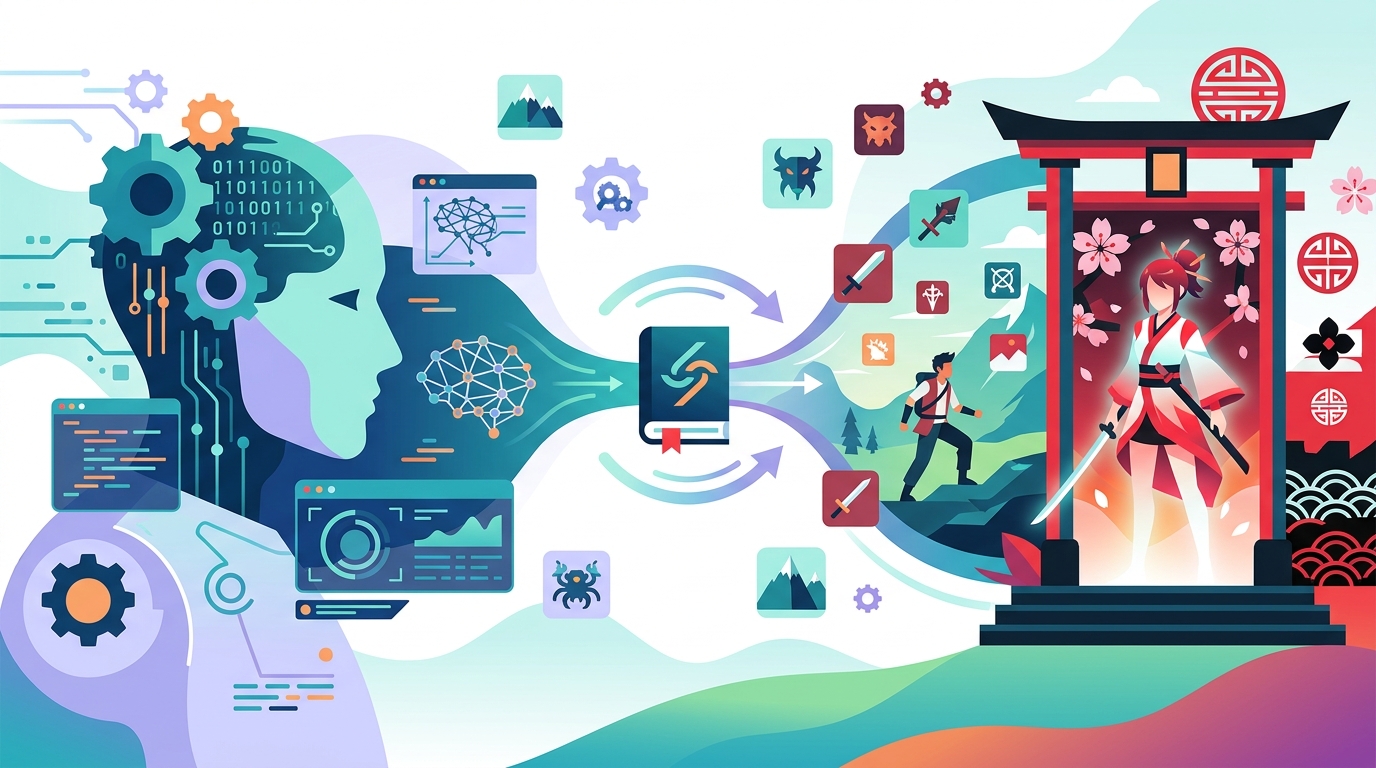
The Azuki integration shows why this matters in practice. Azuki is not generic stock imagery; it is a recognizable Web3 IP with an audience, brand value, and commercial upside. Once that IP is accessible through Story’s IP portal and licensed for Verse8, creators can build on top of it with defined terms instead of borrowing first and asking permission later. That is the foundation the AI game market has been missing.
Second, programmable royalties change creator incentives
Most AI creation platforms talk about democratization, but they leave monetization fuzzy. Story’s pitch is stronger because programmable royalties make the economics legible from the start: if a creator uses licensed IP, the system can route value back to the rights holder automatically. That is not a side feature. It is the mechanism that allows IP owners to participate without blocking experimentation.
This is especially important for games, where a hit can emerge from a small team or even a solo creator. If a Verse8-built game using Azuki characters succeeds, the licensing layer can keep the deal intact after launch rather than forcing a retroactive cleanup. That lowers friction for IP owners and gives creators a reason to build inside a compliant ecosystem instead of scraping together assets from unlicensed sources. In other words, the royalty layer is what turns AI creation from one-off content generation into a durable marketplace.
The counter-argument
The strongest objection is that blockchain-based licensing adds complexity to a problem AI tools are supposed to simplify. Many creators want to move fast, not navigate IP portals, attribution rules, and royalty logic. There is also a valid concern that branded IP like Azuki could narrow creativity by steering builders toward pre-approved assets instead of original worlds.

That critique is real, but it misses the point of the integration. The goal is not to make every creator use licensed IP; the goal is to make licensed IP usable at all inside AI-native game creation. If the industry wants serious adoption from rights holders, it needs a system that proves provenance and payout logic by default. Without that, the market stays stuck in the same brittle pattern: creators experiment freely, then companies spend months untangling ownership disputes. Story’s approach accepts a tradeoff in setup complexity in exchange for something the market desperately needs, which is trust.
What to do with this
If you are a founder or product leader building AI creation tools, stop treating licensing as a legal footer and make it part of the core workflow. If you are an engineer, design the content pipeline so attribution, permissions, and payout splits are machine-readable from the first prompt. If you are a PM, measure success not just by output volume but by how many creators can publish commercial work without rights friction. The future of AI game creation belongs to platforms that make IP safe to use, easy to monetize, and hard to dispute.
// Related Articles
- [AGENT]
Perplexity should build Teammate as a coding agent, not a copilot
- [AGENT]
HP adopts OpenAI Frontier across global operations
- [AGENT]
Build a production vector DB for RAG
- [AGENT]
Ornith-1 turns agent coding into a server
- [AGENT]
Crypto AI agents are useful, but only for narrow workflows
- [AGENT]
AI Agents in Crypto: 2026 Protocol Guide