Visa adds five blockchains to stablecoin pilot
Visa expanded its stablecoin settlement pilot to nine blockchains and a $7 billion annualized run rate, adding five new networks.

Visa expanded its stablecoin settlement pilot to nine blockchains and a $7 billion annualized run rate.
Visa added five blockchains to its stablecoin settlement pilot on April 29, 2026, pushing the program to nine supported networks. The company also said the pilot has reached a $7 billion annualized run rate, up 50% from the previous quarter.
| Metric | Value |
|---|---|
| Announcement date | April 29, 2026 |
| Supported blockchains | 9 |
| Annualized stablecoin settlement run rate | $7 billion |
| Quarter-over-quarter growth | 50% |
| New blockchains added | 5 |
Visa is betting on a multi-chain settlement model
Get the latest AI news in your inbox
Weekly picks of model releases, tools, and deep dives — no spam, unsubscribe anytime.
No spam. Unsubscribe at any time.
The move says a lot about where stablecoin payments are headed. Visa is no longer treating blockchains as a single-network experiment. It is building a settlement layer that can work across different chains, which matters because liquidity, fees, privacy, and transaction speed vary from one network to another.

That is a practical response to how the market has evolved. Stablecoin activity now spreads across multiple ecosystems, and payment companies want optionality instead of locking themselves into one chain. Visa’s pitch is simple: let issuers and acquirers settle where it makes the most sense, while Visa handles the coordination in the middle.
- Newly added networks: Arc, Base, Canton, Polygon, and Tempo
- Existing support includes Avalanche, Ethereum, Solana, and Stellar
- Visa says the pilot now spans 9 blockchains in total
- The company says stablecoin settlement is running at a $7 billion annualized pace
The numbers show this is moving past a lab exercise
Visa’s headline figure is the $7 billion annualized run rate, but the 50% quarter-over-quarter jump matters just as much. That kind of growth suggests the pilot is seeing real usage, not just a few demo transactions or internal tests.
The company also pointed to broader rollout history across Latin America and the Caribbean, Europe, Asia Pacific, and CEMEA, plus U.S. bank settlement with USDC and more than 130 stablecoin-linked card programs in over 50 countries. Put together, those numbers show Visa has been building this infrastructure for years, then expanding it piece by piece.
“Our partners are building in a multi-chain world, and they expect their options to reflect that reality,” said Rubail Birwadker, Global Head of Growth Products and Strategic Partnerships at Visa.
That quote gets to the heart of the strategy. Visa is not picking a winner among blockchains. It is acting like the payments layer that sits above them, which is a more durable position if stablecoins keep spreading across different networks and use cases.
Why each added chain matters
Visa’s new partners are not interchangeable. Arc is built by Circle around programmable money and real-world economic activity. Base focuses on fast, low-cost settlement and agentic commerce. Canton targets regulated capital markets with configurable privacy. Polygon pushes low-cost payments and digital commerce. Tempo is built around real-time stablecoin settlement.
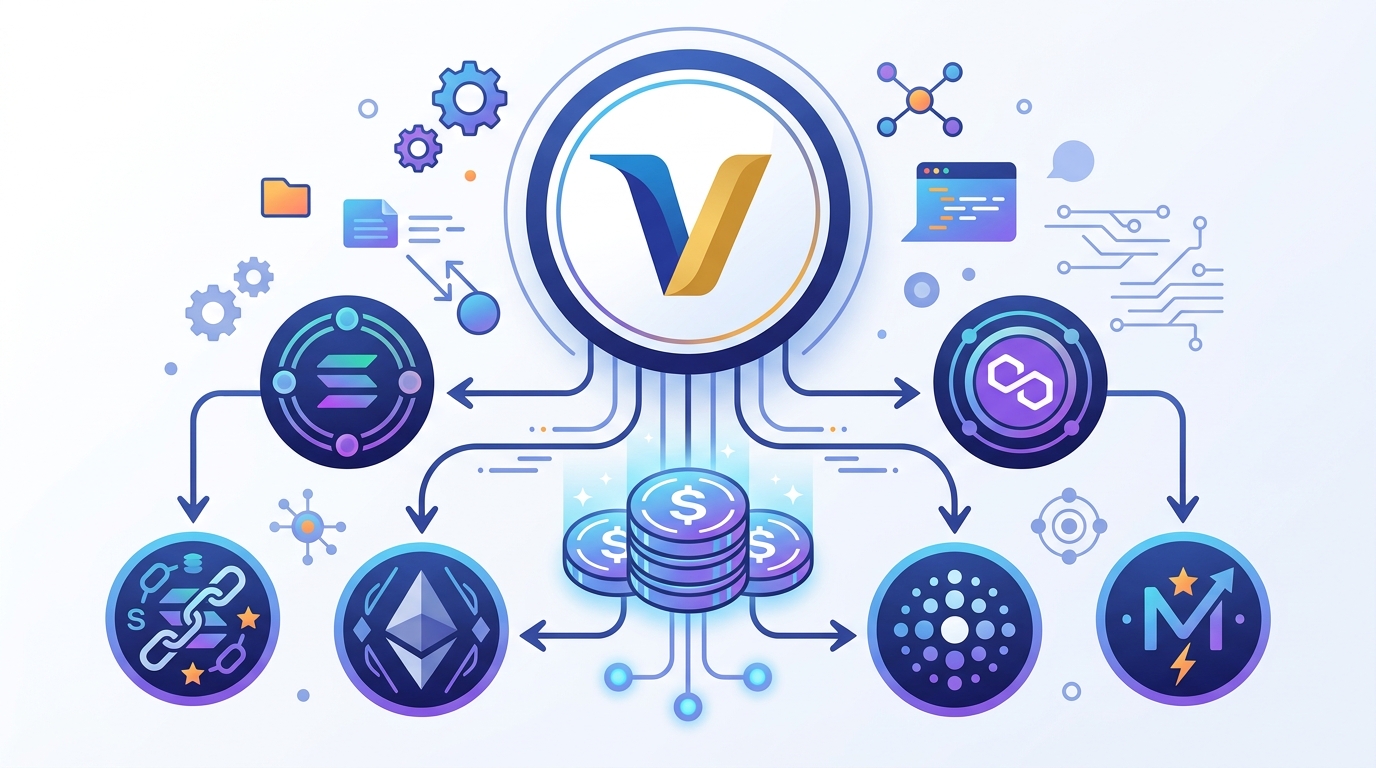
That mix matters because payment rails are rarely one-size-fits-all. A consumer payment, an institutional transfer, and a cross-border settlement workflow can have very different requirements around privacy, cost, throughput, and compliance. Visa seems to be saying that the future of stablecoin settlement will be multi-chain by default, and the network has to meet that reality head-on.
- Visa investor announcement says the pilot supports partners across issuers and acquirers
- USDC settlement has expanded to U.S. banks
- Visa says there are 130+ stablecoin-linked card programs in more than 50 countries
- The company now has live support across 9 blockchains
What this means for payments teams
If you work in payments, treasury, or fintech infrastructure, this announcement is a signal to stop thinking about stablecoins as a side experiment. Visa is folding them into a settlement model that looks closer to normal financial plumbing than crypto novelty.
The practical takeaway is that integration choices will matter more over the next year. Teams will need to decide which chains fit their compliance needs, which rails offer the best liquidity, and where they want to connect to a network like Visa rather than build direct chain-to-chain workflows themselves.
Visa’s next test is simple: can it keep growing that $7 billion run rate while making multi-chain settlement boring enough for banks and fintechs to trust it? If the company can do that, the question will not be whether stablecoin settlement belongs in mainstream payments. It will be which institutions move first.
// Related Articles
- [CHAIN]
UAE Web3 setup turns crypto rules into a checklist
- [CHAIN]
Five AI Futurist features shaping Futurist 2026
- [CHAIN]
Regulation Now Moves Bitcoin and Ethereum More Than War
- [CHAIN]
The SEC Crypto Rule Proposal Will Clean Up Crypto, Not Kill It
- [CHAIN]
Web3 platforms need fee discipline, not token theatrics, to make money
- [CHAIN]
Riyadh’s blockchain show proves Web3 is now infrastructure