Why BTC Ecosystem’s green mining pitch is not a breakthrough
BTC Ecosystem’s renewable-energy Bitcoin mining platform is a marketing wrapper, not a real breakthrough.
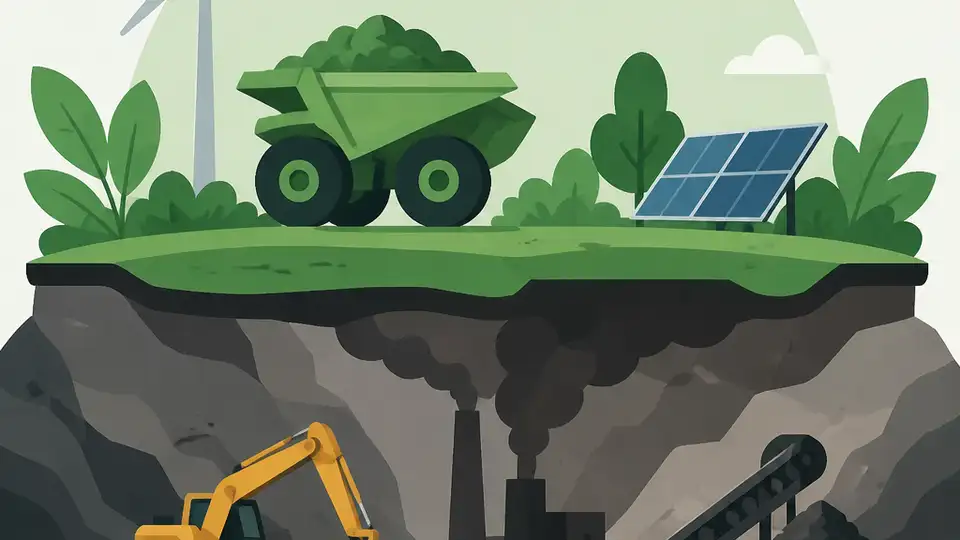
BTC Ecosystem’s green mining platform is a marketing wrapper, not a real breakthrough.
BTC Ecosystem is selling a familiar cloud-mining idea with a cleaner label, and that matters because Bitcoin mining has a long history of turning energy claims into sales copy while leaving users with the same old risks: opaque yields, centralized custody, and promises that are hard to verify. The pitch sounds new because it combines renewable energy, blockchain computing, and “no hardware investment,” but those are packaging choices, not proof of better economics or better incentives.
First argument: green branding does not change cloud mining’s core problem
Get the latest AI news in your inbox
Weekly picks of model releases, tools, and deep dives — no spam, unsubscribe anytime.
No spam. Unsubscribe at any time.
Cloud mining has always relied on the buyer trusting a remote operator to produce hashrate, report rewards, and keep the operation solvent. That trust gap does not disappear because the power source is solar, wind, or hydro. If the operator controls the machines, the energy contracts, and the payout ledger, the customer still owns a claim, not the underlying productive asset.

The absence of hardware investment is presented as a benefit, but it is really a transfer of risk. In a physical mining setup, equipment ownership at least gives the buyer a tangible asset and a clearer view of operating costs. In a hosted or cloud model, the operator can reprice fees, alter terms, or fold the business when margins compress. The green wrapper does nothing to fix that structure.
Second argument: renewable energy is not a moat in Bitcoin mining
Bitcoin mining already chases cheap power wherever it exists, and cheap power is often renewable power. That means “green mining” is not a unique category so much as a description of where some miners already operate. When a platform claims to transform renewable energy into sustainable Bitcoin computing, it is describing a standard input-cost advantage, not a technological leap.
The market has already shown how thin this moat is. As mining difficulty rises and hardware efficiency improves, the edge belongs to the operator with the lowest all-in cost, the best capital access, and the strongest uptime discipline. A renewable-energy label does not guarantee any of those things. It only signals that the operation wants credit for using power that the grid or the market already values.
The counter-argument
Supporters will say the platform lowers the barrier to entry for ordinary users who want Bitcoin exposure without buying ASICs, managing heat, or dealing with noisy equipment. That is a fair appeal. Bitcoin mining is capital-intensive, technically messy, and inaccessible to most people, so a hosted product can widen participation.
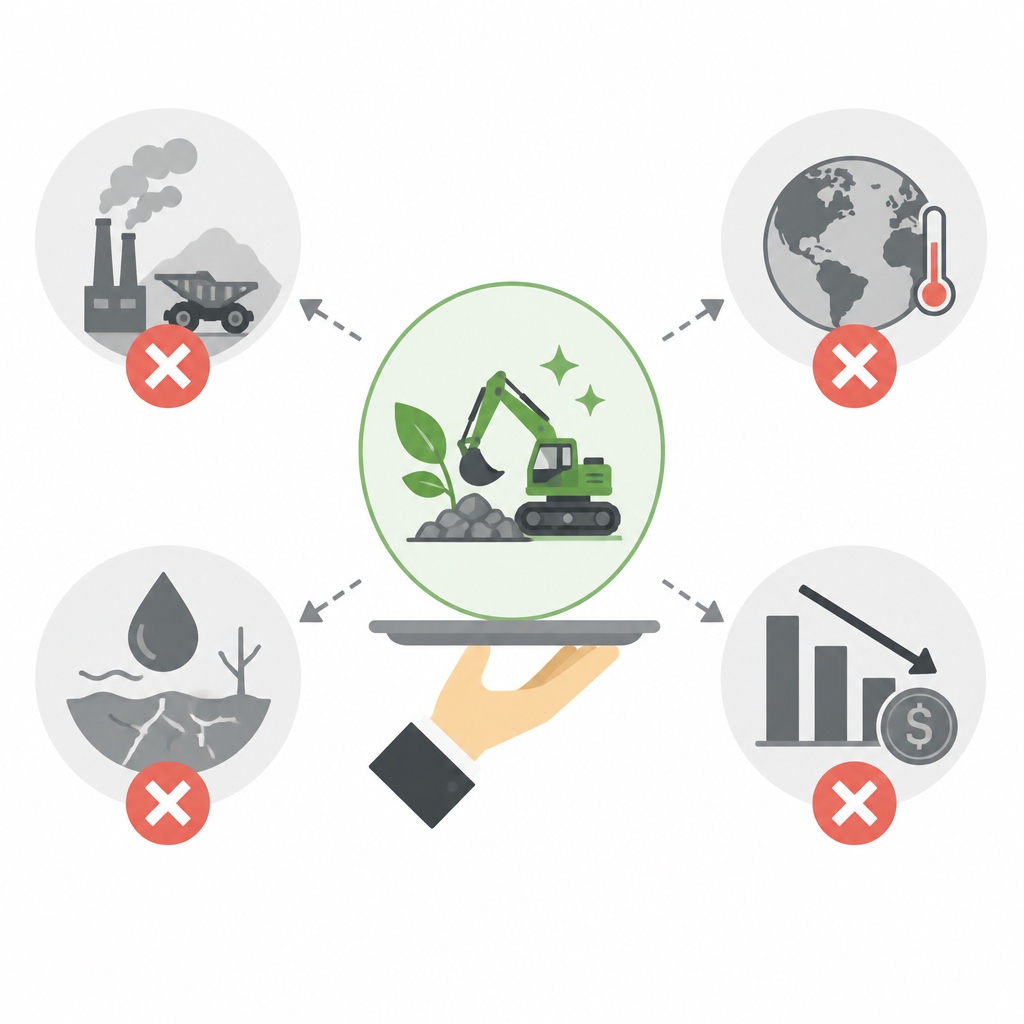
They will also argue that using renewable energy makes mining more defensible in a world that increasingly scrutinizes power consumption. If the electricity would otherwise be curtailed, wasted, or stranded, then turning it into hashpower sounds efficient rather than extractive. That is the strongest version of the case.
But this still does not make the platform a breakthrough. Lowering friction is not the same as creating durable value, and sustainability claims do not erase the basic cloud-mining problem: users are buying trust in an operator’s accounting, uptime, and payout policy. If the product cannot expose verifiable hashrate, transparent fees, and clear custody rules, then the renewable story is decoration, not substance.
What to do with this
If you are an engineer, PM, or founder, treat green-mining claims as a due-diligence trigger, not a selling point. Ask for proof of power sourcing, machine ownership, fee structure, payout methodology, and operational transparency. If those details are vague, the platform is not solving mining’s real problem; it is repackaging it. Build or buy only where the economics are auditable, the risk is explicit, and the customer can verify what is being sold.
// Related Articles
- [CHAIN]
x402 and agent wallets are moving crypto agents on-chain
- [CHAIN]
7 Solana APIs that cut weeks off integration
- [CHAIN]
Solana Unchained token sale nears Phase 1 close at $0.05
- [CHAIN]
June 2026 Web3 Signals Founders Should Use Now
- [CHAIN]
Bitcoin DeFi will grow, but not by copying Ethereum
- [CHAIN]
AI-blockchain projects need real utility, not token theater