Why OpenClaw v2026.5.2 is a real platform release, not a routine patch
OpenClaw v2026.5.2 matters because it turns plugin handling, gateway startup, and model defaults into platform-level improvements.

OpenClaw v2026.5.2 upgrades plugin handling, gateway startup, and model defaults at once.
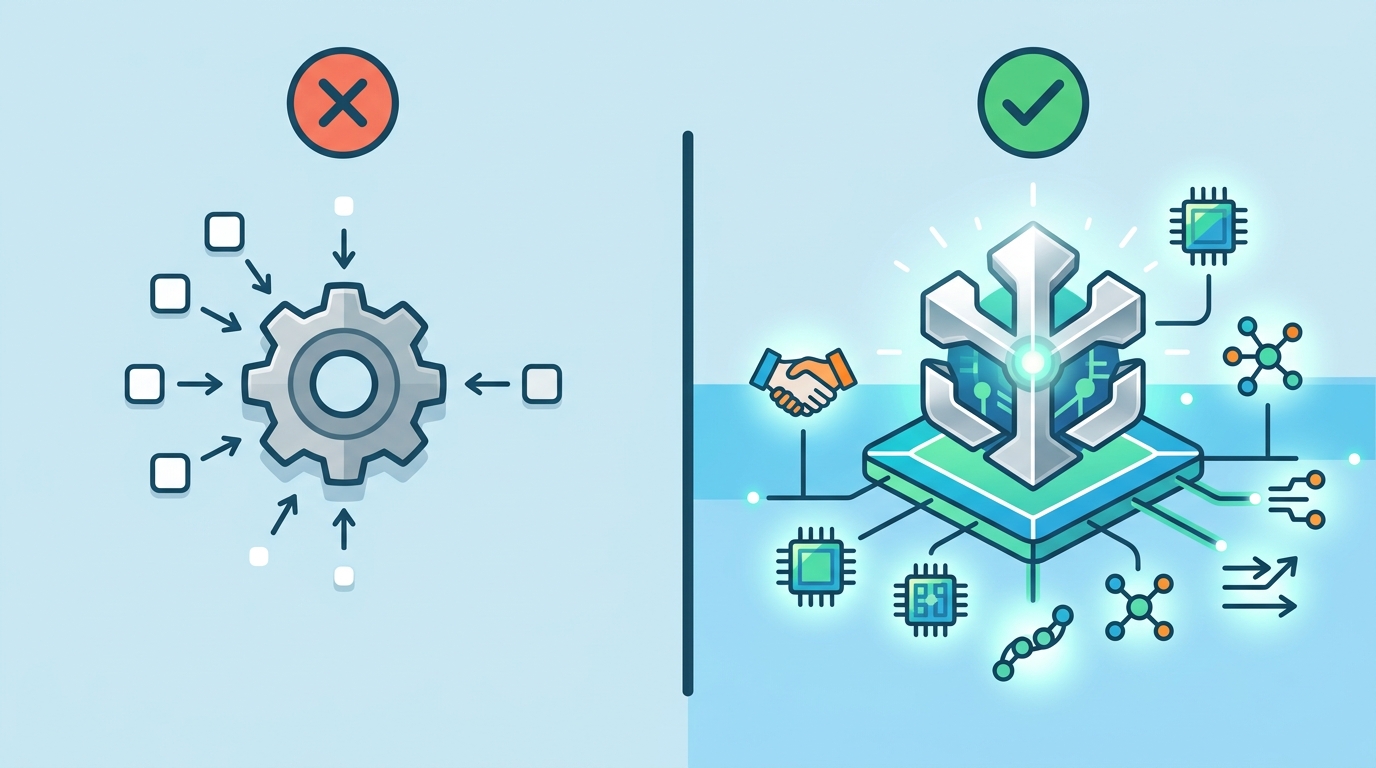
OpenClaw v2026.5.2 is not a routine maintenance release. It is a platform reset disguised as a point update, because it changes how plugins are installed, how fast the gateway becomes usable, and which model users get by default. When a release touches the plugin lifecycle, the gateway hot path, and the default provider stack in one pass, it is no longer polishing the edges; it is deciding how the product behaves for everyone who depends on it.
External plugins are now a product surface, not a side effect
Get the latest AI news in your inbox
Weekly picks of model releases, tools, and deep dives — no spam, unsubscribe anytime.
No spam. Unsubscribe at any time.
The biggest shift in this release is the move to external plugin installation around ClawPack metadata. That sounds like plumbing, but it is really a statement about control. OpenClaw now supports diagnostics, onboarding, doctor repair, and channel setup through first-class manifest handling, plus git: installs and a beta-channel fallback. That means plugin management is no longer a hidden developer convenience. It is an operational workflow with rules, visibility, and recovery paths.

The proof is in the operator-facing detail: openclaw plugins list --json now exposes dependency state. That matters because dependency sprawl is where plugin systems usually fail. If a gateway cannot tell you what a plugin pulls in, you do not have a plugin platform, you have a box of parts. By externalizing the lifecycle and surfacing metadata, OpenClaw is choosing the harder but correct path: make plugins auditable first, installable second, and flexible third.
Gateway speed is a core feature, not a nice-to-have
OpenClaw also treats startup latency as a product problem, not an infrastructure footnote. The gateway skips auth-profile overlays during startup, tool descriptor caching reduces repeated prompt-time plugin loading, and hot transcript reads move to async bounded I/O. Those are not cosmetic optimizations. They target the moment users feel the system most: when they wait for readiness, when sessions stall, and when repeated work turns into visible lag.
There is a reason the release notes emphasize the gateway hot path and mention 268 fixes spanning transcript locking, memory rebuilds, and provider edge cases. That volume tells you the team is paying down architectural friction, not just responding to bugs. A system that serves agents and sessions cannot afford startup drag or event-loop blocking, because every extra second compounds across restarts, channel activity, and long-running workflows. Faster readiness is not about bragging rights. It is about reducing the tax on every interaction.
Changing the default model is a strategic bet, not a cosmetic swap
Moving the xAI default to Grok 4.3 is the kind of change that reveals a product philosophy. Defaults shape behavior more than feature lists do. Most users do not benchmark every provider; they use what ships. By rolling forward the default, OpenClaw is telling users which model experience it believes best matches the platform right now. That is a strong opinion, and strong opinions are exactly what a platform needs when it wants coherence instead of endless choice paralysis.
The release also broadens provider behavior in practical ways: OpenAI Realtime gains TTS and streaming compatibility, DeepSeek normalizes reasoning metadata for replay, LM Studio surfaces local-model reasoning, and Voice Call starts each call with a fresh session scope. Those changes show the default is not isolated. It sits inside a larger push to make provider behavior more predictable across voice, replay, and local inference. A default model only matters if the surrounding system can preserve context, expose reasoning, and keep sessions sane. OpenClaw is doing that work here.
The counter-argument
The best objection is simple: this release is too operational to count as major. External plugin installs, gateway startup tweaks, and a new default model do not sound like the kind of product leap that changes the market. A skeptic can argue that users want more agent capability, more workflows, or more visible features, not a cleaner plugin manifest and a faster boot sequence.
That critique has teeth because infrastructure improvements are easy to underappreciate. If you are judging from a demo, none of this looks dramatic. And if you already have a stable OpenClaw deployment, you may not feel the upgrade immediately. But that is exactly why the counter-argument fails. In agent platforms, reliability and setup friction are the product. Plugin installation, session startup, and provider defaults determine whether the system feels trustworthy enough to build on. OpenClaw v2026.5.2 does not chase novelty; it removes the reasons teams hesitate to depend on it.
What to do with this
If you are an engineer or platform owner, treat this release as a signal to audit your own agent stack around three questions: can you inspect plugin dependencies, can you measure gateway readiness, and can you explain why your default model is the right one. If the answer is no, you are carrying hidden complexity that will surface later as support load, slow sessions, or brittle deployments. OpenClaw v2026.5.2 is the right kind of release because it makes the invisible parts of the system visible and then faster.
// Related Articles
- [AGENT]
Perplexity should build Teammate as a coding agent, not a copilot
- [AGENT]
HP adopts OpenAI Frontier across global operations
- [AGENT]
Build a production vector DB for RAG
- [AGENT]
Ornith-1 turns agent coding into a server
- [AGENT]
Crypto AI agents are useful, but only for narrow workflows
- [AGENT]
AI Agents in Crypto: 2026 Protocol Guide