Why routing belongs at the center of model serving
Routing should be the single entry point for model serving because it speeds iteration and unlocks new ML products.
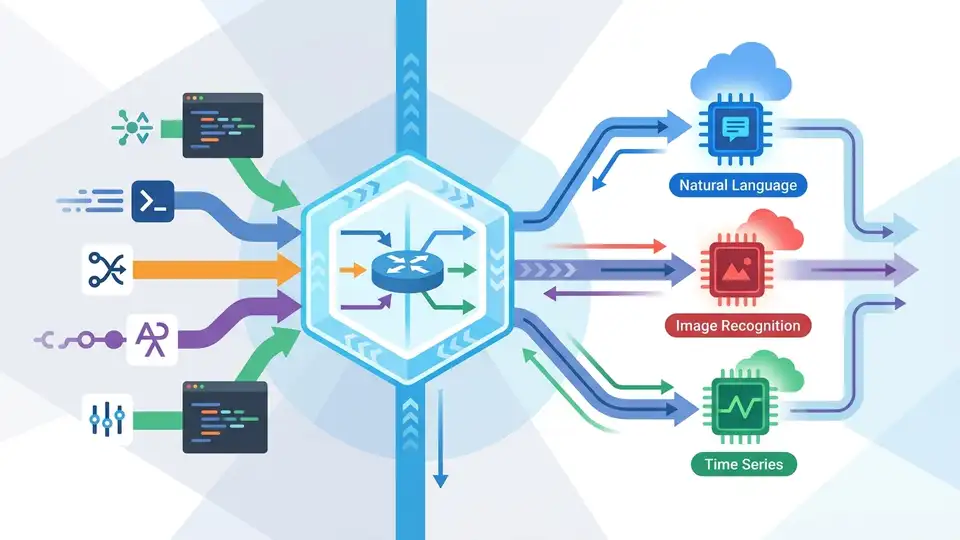
Routing should be the single entry point for model serving because it speeds iteration and unlocks new ML products.
Routing is not a thin implementation detail in model serving; it is the control plane that decides how fast teams can ship, test, and replace models without breaking the product.
Routing turns model serving into a product surface
Get the latest AI news in your inbox
Weekly picks of model releases, tools, and deep dives — no spam, unsubscribe anytime.
No spam. Unsubscribe at any time.
Netflix’s own framing is the clearest evidence: a singular API into the ML serving platform increased the speed of innovation for newer versions of existing experiences and for entirely new ML products. That is not a minor operational win. It means the routing layer became the place where product changes were absorbed, not the place where engineers paid a tax every time a model changed.
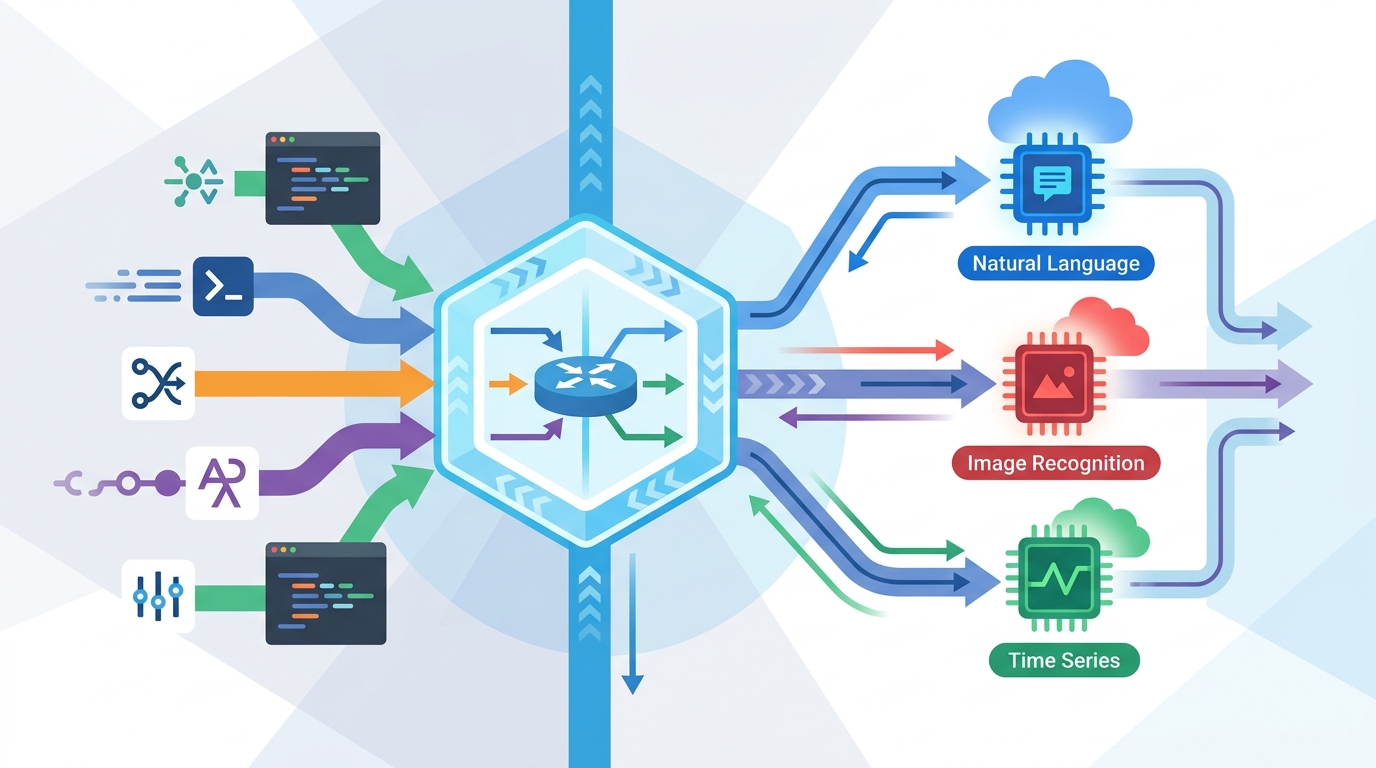
That matters because model serving is usually treated as a back-end plumbing problem until the organization is forced to support many models, many experiments, and many consumers. Once that happens, every extra endpoint becomes a coordination problem. A single routing entry point removes that sprawl and gives teams one contract to evolve instead of a dozen fragile ones.
A single entry point is the fastest path to iteration
The strongest argument for centralized routing is simple: it cuts the work required to launch a new model version. If a team can swap traffic through one API, then rollout, rollback, canarying, and A/B assignment all happen in one place. That reduces the number of code paths that need to change when the model changes, which is exactly why iteration speeds up.
At scale, the alternative is painful. A company with separate serving paths for search, recommendations, personalization, and experimentation ends up duplicating traffic logic across teams. The result is slower releases, inconsistent behavior, and more production risk. Routing centralizes the rules and lets model authors focus on model quality instead of re-implementing distribution logic.
Routing also unlocks new experiences, not just safer deployments
The real payoff is not only operational. A routing layer can decide which model, policy, or ensemble serves each request based on context, user segment, device, locale, or experiment state. That is how a platform stops being a delivery mechanism and starts becoming a capability multiplier. New product ideas become feasible because the serving layer can adapt in real time.
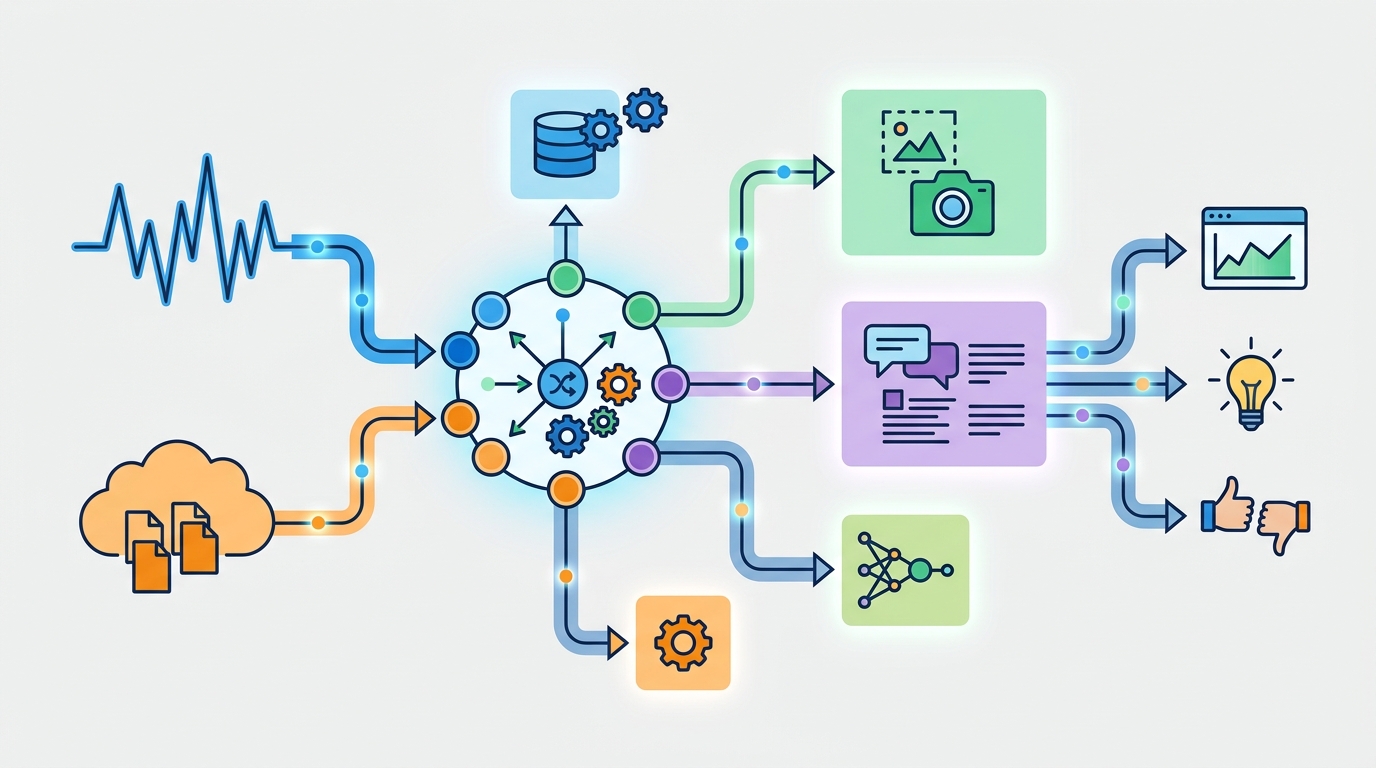
Netflix’s note that the API enabled completely new product experiences is the key signal here. A routing system that only moves requests is too small a vision. The moment routing can express business logic, experimentation logic, and model selection logic together, product teams gain a new design space. That is where model serving stops being reactive and starts shaping the product itself.
The counter-argument
The best objection is that central routing creates a bottleneck. One API can become one team’s backlog, one set of policies, and one failure domain. Critics are right to worry that a single entry point can slow teams down if it is over-governed, over-generalized, or treated like a sacred abstraction that nobody can extend.
That concern is real, but it does not defeat the case for routing. It defines the terms of success. A routing layer must be opinionated about traffic control and boring about everything else. It should standardize common serving concerns while exposing enough escape hatches for specialized use cases. The failure mode is not central routing itself; the failure mode is building a rigid monolith instead of a well-scoped platform boundary.
What to do with this
If you are an engineer, stop adding new model endpoints when a routing rule will do. If you are a PM, treat routing as part of the product architecture, not just infrastructure. If you are a founder, invest in a single serving entry point early, before every team invents its own path and your model platform turns into a maze. The winning pattern is clear: centralize request handling, standardize the common cases, and keep model iteration fast enough that product teams can move without waiting on plumbing.
// Related Articles