Why Anthropic’s PwC deal is the real AI play for enterprise adoption
Anthropic’s PwC expansion shows enterprise AI wins by embedding into consulting and operations, not by chasing consumer hype.

Anthropic is winning enterprise AI by embedding Claude inside PwC’s consulting and operating workflows.
Anthropic is right to treat PwC-style partnerships as its main route into corporate America. The expanded deal is not a vanity logo swap; it puts Claude in front of 364,000 PwC employees, ties the model to client work in finance, supply chain, and dealmaking, and gives Anthropic a direct path into how large firms actually buy, deploy, and normalize software. When a platform is trained, certified, and woven into a global services firm’s daily work, adoption stops being a pilot and starts becoming infrastructure.
Consulting firms are the distribution layer AI vendors need
Get the latest AI news in your inbox
Weekly picks of model releases, tools, and deep dives — no spam, unsubscribe anytime.
No spam. Unsubscribe at any time.
Big enterprise software rarely spreads by top-down mandate alone. It spreads through the people already trusted to redesign processes, write playbooks, and justify spend. PwC is exactly that kind of channel. Anthropic gets Claude into the hands of consultants who shape client decisions, and PwC gets a model it can package into advisory work. That is a stronger route than waiting for each corporate buyer to build its own AI strategy from scratch.

The scale matters. PwC says it will train and certify 30,000 US employees in Claude Code and then expand to its global workforce. That is not a symbolic pilot. It is a labor force reset. A product that becomes part of certification, internal tooling, and client delivery becomes harder to rip out than a standalone chatbot sitting on a procurement list.
The real prize is workflow redesign, not chat interfaces
Anthropic’s partnership language is revealing because it focuses on agentic tools, dealmaking, and operating models. That is the right target. Corporate buyers do not pay for a chat window. They pay for shorter underwriting cycles, faster security reviews, better diligence, and fewer manual handoffs. Dario Amodei’s claim that insurance underwriting can fall from 10 weeks to 10 days is the kind of concrete outcome that enterprises understand and finance teams can measure.
This is why the deal is more important than a simple software rollout. PwC is already using Claude in ChatPwC and on client engagements, which means the model is moving from internal experimentation into repeatable service delivery. Once AI is embedded in how a firm executes finance, supply chain, or transaction work, the question changes from “Should we use AI?” to “How much of our operating model should AI touch?” That is the level where vendor lock-in and productivity gains start to compound.
Anthropic is beating OpenAI by selling to institutions, not consumers
The market is already signaling that this strategy works. Ramp’s AI Index showed Anthropic at 34.4% business adoption in April, ahead of OpenAI at 32.3%. That gap is not just a leaderboard curiosity. It reflects a product strategy that fits how companies adopt technology: through risk-managed rollouts, compliance-friendly partnerships, and service providers that can translate model capability into business process change.
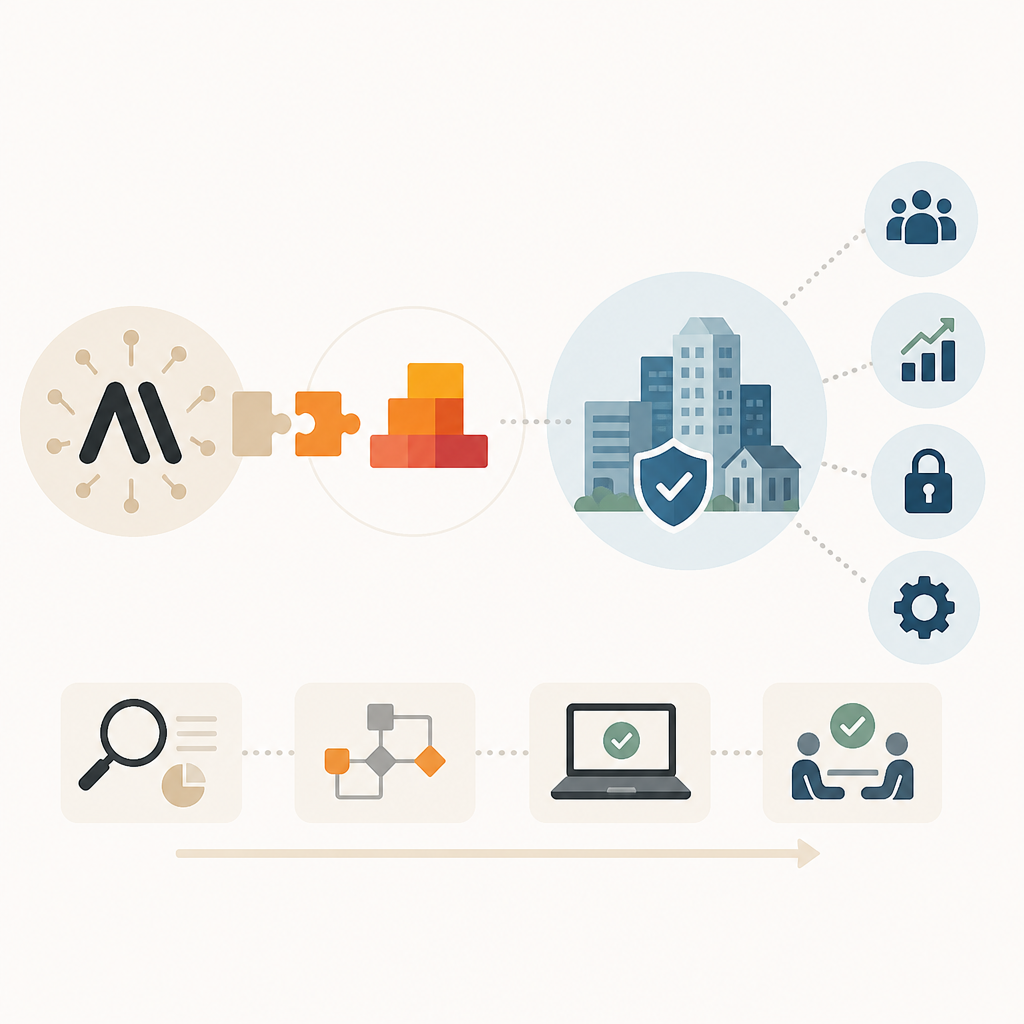
Anthropic also has an advantage because Claude Code gives it a sharper enterprise wedge than generic assistants do. Developers and technical teams can use it for real work, and once engineering teams adopt a tool, the rest of the organization tends to follow. OpenAI still has massive brand power, but Anthropic is building the duller, more durable path to dominance: becoming the model that consultants, auditors, deal teams, and internal platform groups standardize on.
The counter-argument
The strongest case against this strategy is that consulting partnerships can hide weak product differentiation. A vendor can look dominant because it is attached to elite firms, while the real usage remains shallow, expensive, and dependent on human intermediaries. Big enterprises also move slowly, and certifications, governance, and change management can make AI adoption feel more like an IT program than a transformation.
That critique is fair, but it misses the point of enterprise AI. The winning product is not the one that dazzles the most people in a demo. It is the one that becomes embedded in billable work, internal controls, and repeatable workflows. If Claude is helping PwC compress underwriting, security, and diligence tasks, then the partnership is not a marketing layer. It is the mechanism by which AI becomes operational.
What to do with this
If you are an engineer, PM, or founder, stop treating enterprise AI adoption like a feature race and start treating it like a distribution and workflow problem. Build for the teams that redesign processes, not just the end users who try tools once. Measure success in cycle time, certification, and repeat usage inside real client work. If your product cannot survive governance, training, and integration, it is not enterprise software, it is a demo.
// Related Articles
- [IND]
WebX 2026 turns speaker hype into a conference brief
- [IND]
AI Weekly: 2026-07-06 ~ 2026-07-13
- [IND]
The AI Act should be treated as Europe’s operating system for AI
- [IND]
Booz Allen’s OpenAI Deal Is Real Advantage, Not Hype
- [IND]
OpenSearch’s vector search benchmark in 5 parts
- [IND]
Vector Databases That Work in Production