Why HPE’s GreenLake Kubernetes push is the right move
HPE is right to add Kubernetes management to GreenLake because enterprises need one control plane for VMs and containers.
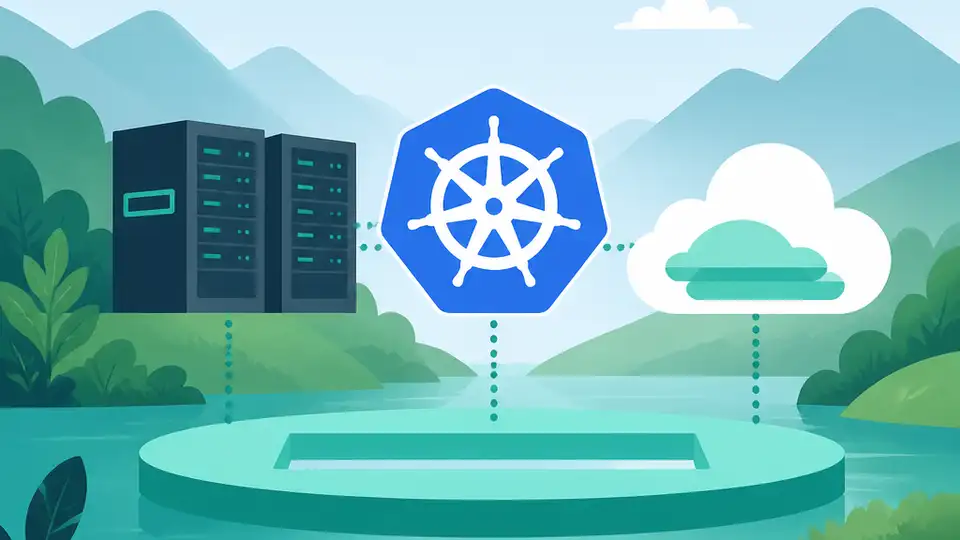
HPE’s GreenLake update is the right move because it unifies VM and container management.
HPE is right to put Kubernetes management into GreenLake, because the market no longer rewards private cloud stacks that treat virtual machines and containers as separate worlds. Enterprises are not modernizing one workload at a time anymore; they are running legacy apps, cloud-native services, and AI pipelines side by side, and they want a single operating model that does not force teams to stitch together a half-dozen tools. HPE’s own pitch makes the case plainly: unified management on one platform, independent scaling for cloud-native workloads, and an upgrade path for existing customers on HPE Private Cloud Business Edition.
One control plane beats tool sprawl
Get the latest AI news in your inbox
Weekly picks of model releases, tools, and deep dives — no spam, unsubscribe anytime.
No spam. Unsubscribe at any time.
Private cloud buyers have spent years paying for fragmentation. VMware admins, Kubernetes platform teams, backup operators, and storage teams often work from different consoles, different policies, and different automation layers. That is not just annoying; it slows delivery and creates gaps in governance. HPE’s move matters because it collapses that split-brain model into one place where VMs and containers can be managed together, which is the only sane answer for hybrid estates that will not be rewritten from scratch.
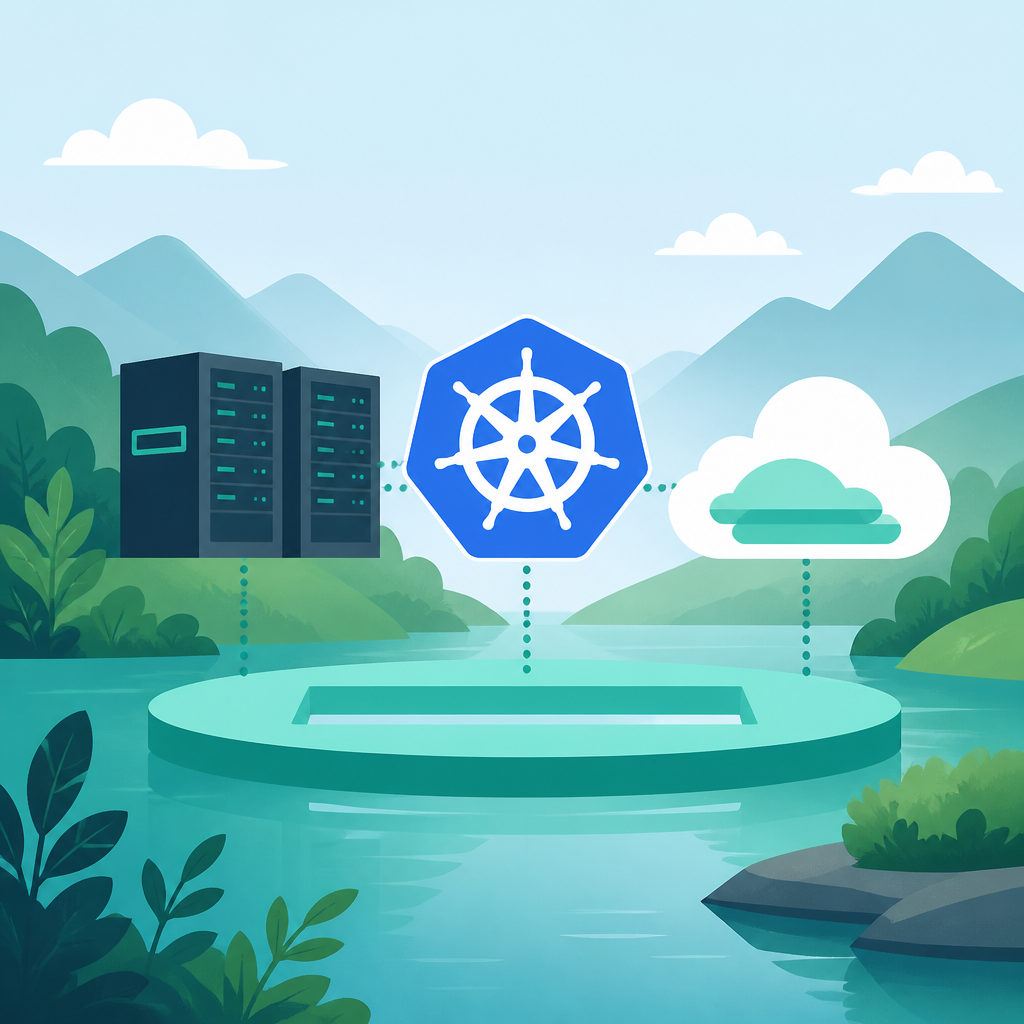
The company is also making the right bet on customer inertia. HPE says current HPE Private Cloud Business Edition customers can upgrade to manage both VMs and Kubernetes on existing infrastructure. That detail matters more than the launch headline. Most enterprises do not want a forklift migration to a new stack just to get container support. They want a path that preserves sunk capital, reduces risk, and lets platform teams modernize in stages. A platform that respects that reality will win more often than one that demands a clean slate.
Unified management is now a storage and resilience story
HPE did not stop at Kubernetes because the real pain in modernization is not only orchestration. It is also protecting data, moving workloads, and recovering fast enough to satisfy business owners. The update ties Kubernetes management to Zerto migration, Veeam integration, StoreOnce integration, and SimpliVity support. That is the correct bundle. Once containers enter the picture, the old divide between compute management and data protection becomes a liability, especially when teams need to move workloads off VMware, back them up consistently, and recover across platforms.
Look at the migration angle. HPE says Zerto can now live-migrate workloads from VMware environments to HPE virtual machines with continuous data protection. That is not a cosmetic feature. It is a bridge for the largest operational problem in enterprise infrastructure right now: how to reduce dependence on VMware without putting production at risk. If HPE can make that transition smoother while also bringing Kubernetes under the same umbrella, it is not just selling a cloud platform. It is selling an escape hatch with guardrails.
AI and edge workloads make the case stronger
The second reason this move is correct is that AI and edge workloads punish platform fragmentation even harder than traditional apps do. HPE’s broader GreenLake update includes storage changes aimed at AI data pipelines, including the Alletra Storage MP X10000 with file and object support on one platform and RDMA-enabled file storage. That matters because AI workloads do not fit neatly into old infrastructure silos. Training, inference, caching, analytics, and backup all stress the same data path, and the winners will be the vendors that can present those services as one system instead of a patchwork.
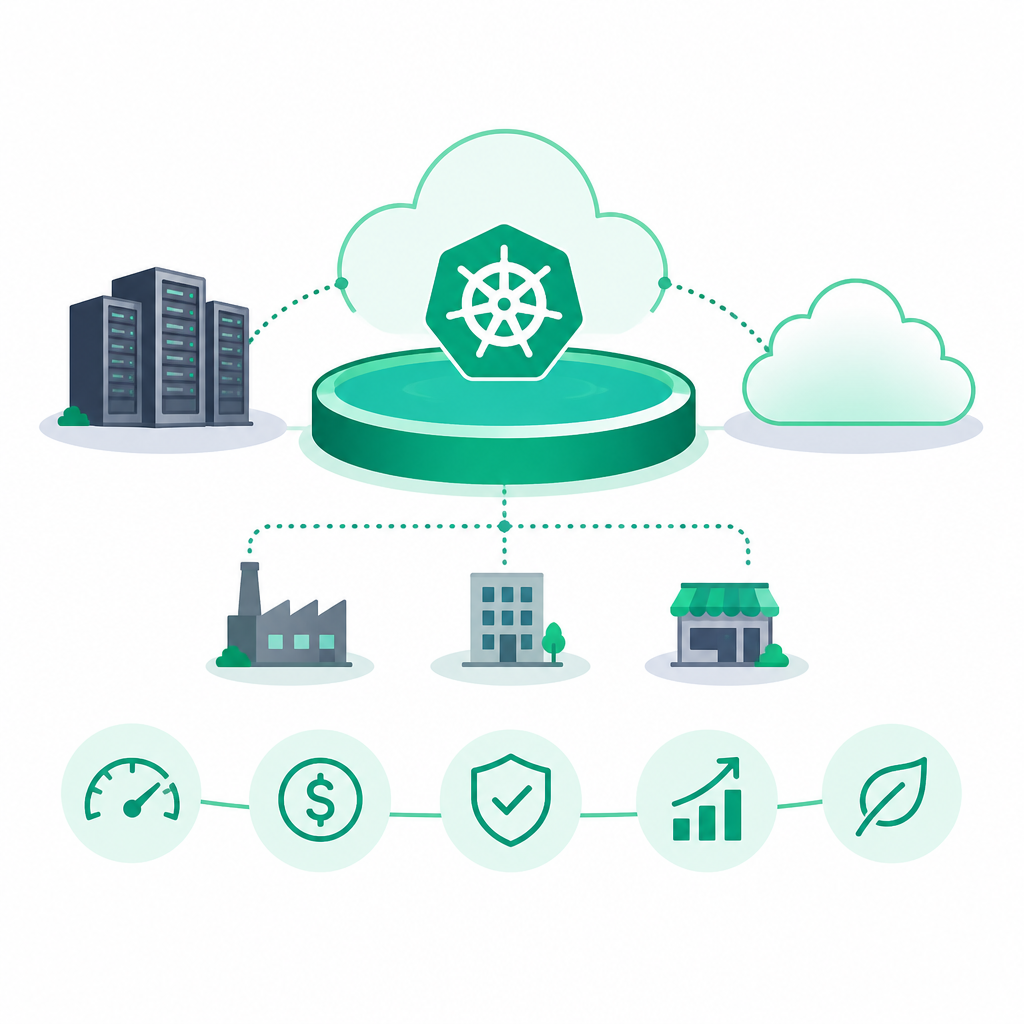
HPE is also signaling that operational intelligence belongs inside the platform, not bolted on afterward. The update adds agentic support across storage and data management, plus a conversational interface in Data Fabric and AI-assisted recovery in Zerto. Skeptics will roll their eyes at the phrase “agentic AI,” but the direction is sound: infrastructure teams need automation that shortens diagnosis and recovery, especially when the environment spans VMs, containers, storage, and distributed edge sites. A platform that can observe, explain, and act across those layers is more valuable than a stack of isolated products with a shared logo.
The counter-argument
The strongest objection is that HPE is late. Kubernetes management is not new, and many organizations already standardized on container platforms from hyperscalers or specialist vendors. From that angle, GreenLake looks like a catch-up move wrapped in enterprise language. There is also a legitimate concern that bundling Kubernetes into a broader private cloud suite could create another layer of abstraction that platform engineers must learn, rather than reducing complexity in practice.
That criticism is fair, but it misses the buying reality. Enterprises do not choose infrastructure on purity tests. They choose it on migration risk, supportability, and operational continuity. HPE is not trying to out-Kubernetes the Kubernetes ecosystem. It is trying to make Kubernetes manageable inside the environment where most enterprise workloads already live. That is a different and more defensible goal. The limit is clear: HPE will only succeed if the unified experience is genuinely simpler than running separate tools. If it is not, the market will reject it fast.
What to do with this
If you are an infrastructure leader, treat this update as a signal to rethink your platform boundary. Do not ask whether Kubernetes belongs in private cloud. It already does. Ask whether your current stack gives you one policy model for VMs, containers, backup, migration, and recovery, or whether your team is still paying the tax of separate control planes. If you are a founder or product leader, the lesson is sharper: the next enterprise platform win will come from reducing operational seams, not adding another dashboard. If you are an engineer, push for platforms that make workload mobility and data protection first-class features, because modernization fails when the app layer moves faster than the recovery layer.
// Related Articles
- [IND]
WebX 2026 turns speaker hype into a conference brief
- [IND]
AI Weekly: 2026-07-06 ~ 2026-07-13
- [IND]
The AI Act should be treated as Europe’s operating system for AI
- [IND]
Booz Allen’s OpenAI Deal Is Real Advantage, Not Hype
- [IND]
OpenSearch’s vector search benchmark in 5 parts
- [IND]
Vector Databases That Work in Production