Why Anthropic’s small-business push is a real threat to SaaS
Anthropic’s Claude for Small Business is a direct threat to legacy SaaS vendors.
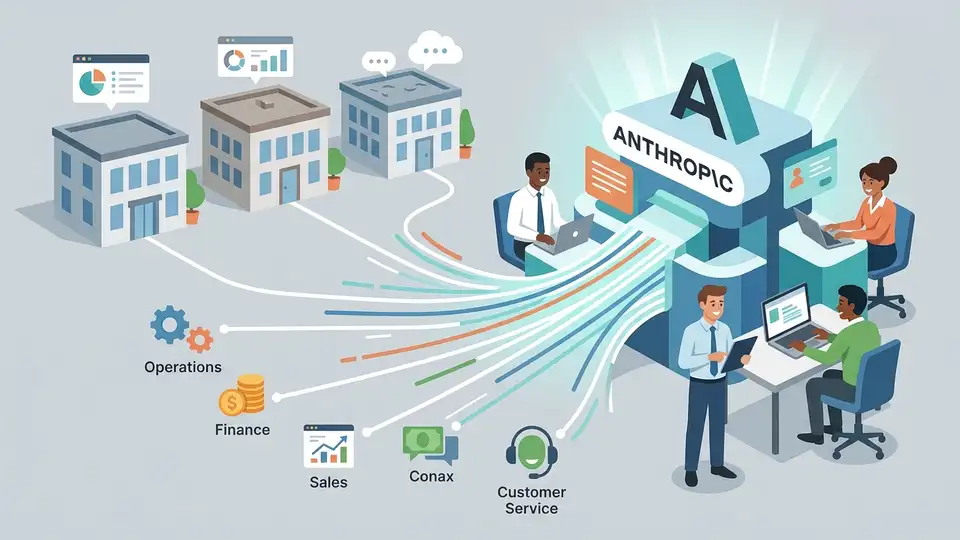
Anthropic’s Claude for Small Business is a direct threat to legacy SaaS vendors.
Anthropic is right to push Claude into small business workflows, and software companies that treat this as a side experiment are underestimating the threat. The company is not selling a chatbot in a vacuum; it is embedding AI into the places where work already happens, including QuickBooks, DocuSign, PayPal, Microsoft 365, and Google Workspace. That matters because the fight in enterprise software is no longer about owning a standalone app. It is about becoming the layer that completes the task faster, with less training, and with fewer clicks.
Small businesses do not want more software, they want fewer steps
Get the latest AI news in your inbox
Weekly picks of model releases, tools, and deep dives — no spam, unsubscribe anytime.
No spam. Unsubscribe at any time.
Anthropic’s pitch works because small businesses are overloaded with fragmented tools. A shop owner who has to reconcile books in QuickBooks, send contracts in DocuSign, check payments in PayPal, and draft communications in Microsoft 365 does not want another dashboard. They want a system that can move across those apps and finish the job. Claude for Small Business is built for exactly that: toggling AI on inside the tools people already use, instead of forcing them to adopt a new interface and new habits.
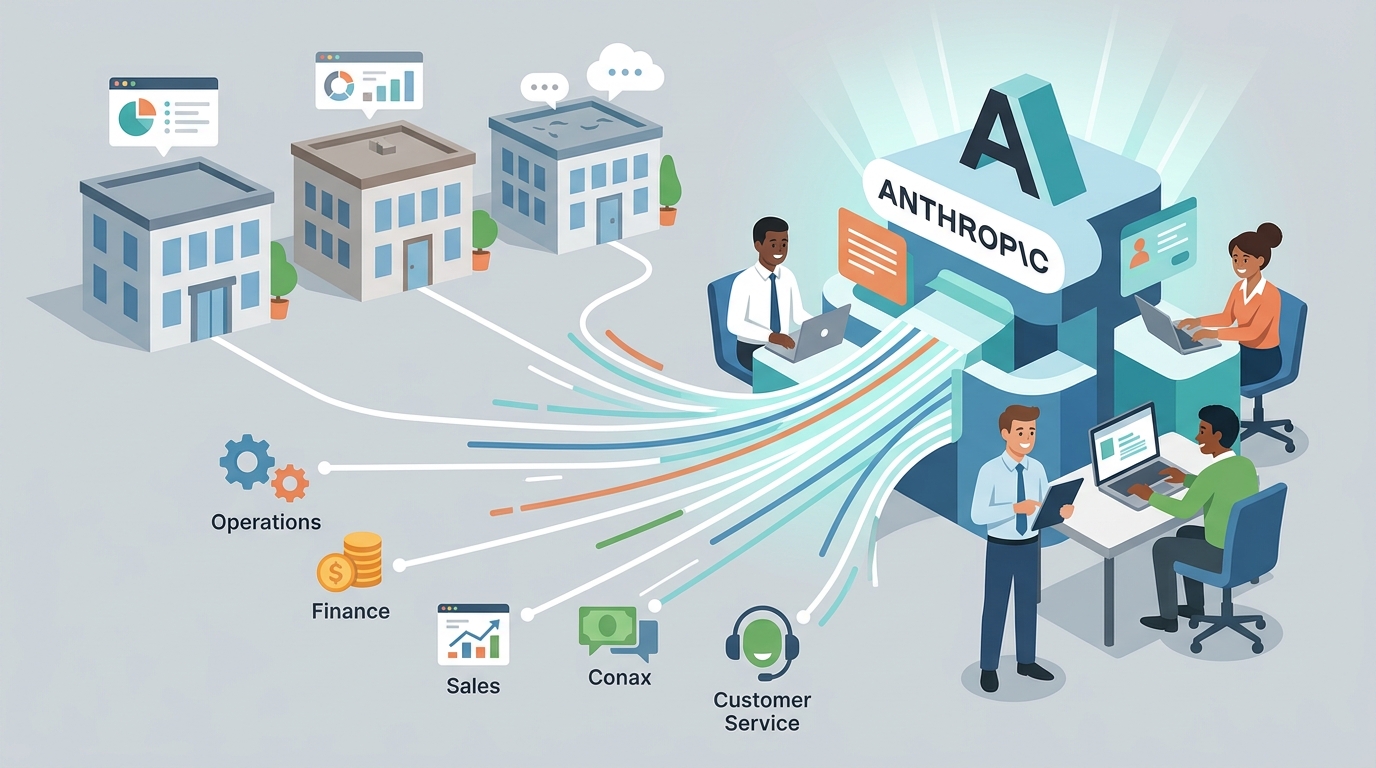
The practical advantage is obvious in the tasks Anthropic named, from payroll to trend spotting. Those are not abstract AI demos. They are repetitive, error-prone workflows where a language model can save time immediately. If Claude can summarize cash flow issues, draft a customer response, or flag reconciliation anomalies inside existing software, the value is not theoretical. It is measured in hours saved and mistakes avoided. That is why the product is a threat, not a novelty.
Anthropic is attacking the distribution problem, not just the model problem
The bigger move here is distribution. Anthropic is no longer relying only on developers or enterprise pilots to spread Claude. It is tying the product to the software stack that small businesses already trust. That is a smart wedge because the hardest part of AI adoption is not model quality alone. It is getting into the daily workflow with enough context to be useful. Partnerships with Intuit, DocuSign, PayPal, Microsoft, and Google do that work for Anthropic before the customer even evaluates alternatives.
The revenue signals show why this strategy is working. Anthropic says its 2026 revenue run rate has climbed above $30 billion, up from $9 billion last year, and the number of companies spending $1 million annually on its products doubled from 500 to more than 1,000 in two months. Those numbers tell you the company is not just shipping features. It is building an enterprise sales machine with real traction. Small business is the next logical expansion because it broadens the customer base while reinforcing the same core pitch: Claude as the operating layer for work.
The counter-argument
The strongest case against this thesis is that small businesses are not the same as large enterprises, and enterprise AI spending does not automatically translate into broad SMB adoption. Small businesses are price-sensitive, less patient with setup friction, and more skeptical of tools that promise transformation but deliver complexity. They also rely heavily on incumbent vendors like Intuit and Microsoft, which already own the relationship and can bundle their own AI features into the workflow.
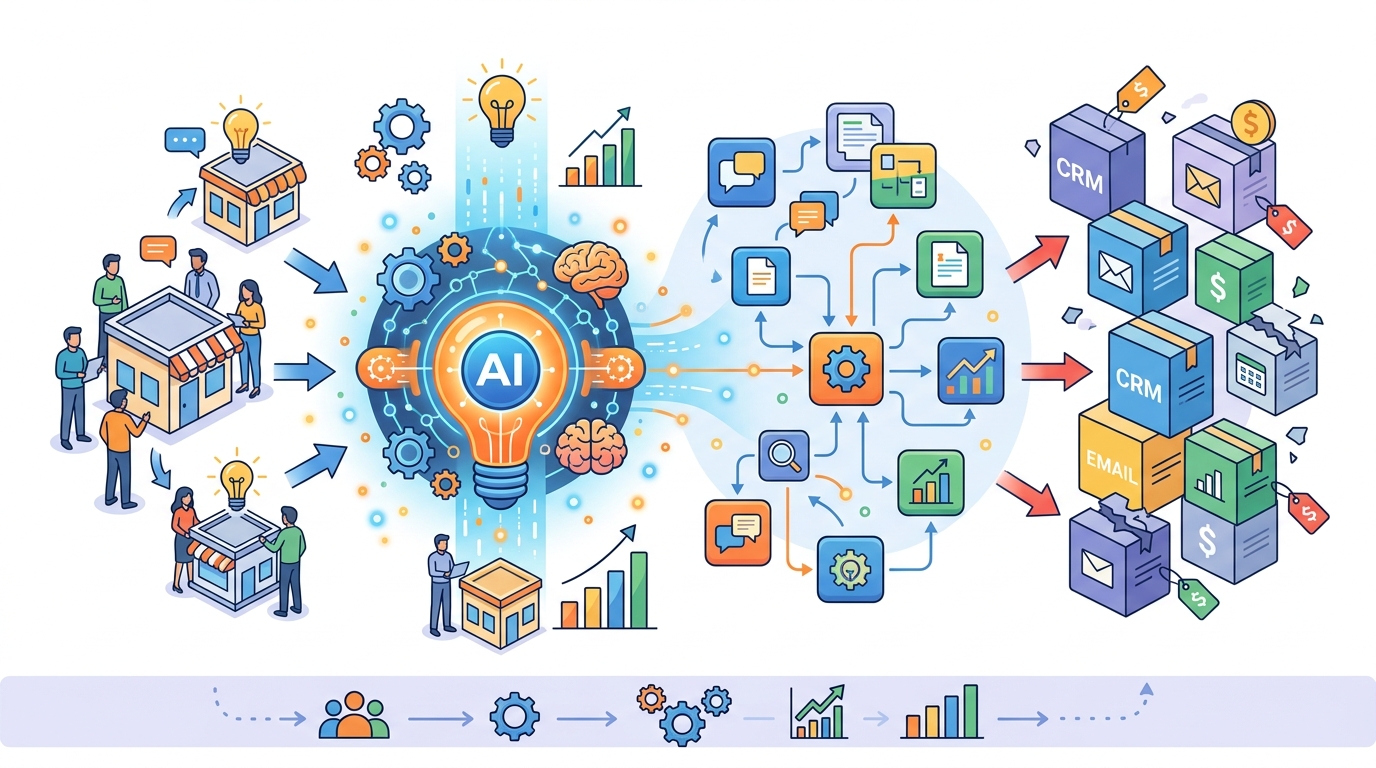
That objection is real, and it matters. Many SMB buyers will not pay for a separate AI layer unless the value is immediate and the integration is seamless. If Claude feels like an extra license instead of an embedded helper, adoption will stall. But that limit does not weaken the broader argument. It strengthens it. Anthropic is not trying to win on standalone AI branding; it is trying to win by becoming a feature inside systems SMBs already pay for. That is the only route that makes sense, and it is exactly why legacy SaaS vendors are exposed.
What to do with this
If you are a founder or product leader, stop treating AI as a chatbot add-on and start treating it as workflow control. Map your highest-frequency tasks, identify where users switch between apps, and build AI that removes those handoffs. If you are an engineer, optimize for context, permissions, and reliability inside existing systems, because that is where the value lives. And if you run a SaaS business, assume the customer will soon ask why they need your interface at all unless you can prove you do more than host data and buttons.
// Related Articles
- [IND]
WebX 2026 turns speaker hype into a conference brief
- [IND]
AI Weekly: 2026-07-06 ~ 2026-07-13
- [IND]
The AI Act should be treated as Europe’s operating system for AI
- [IND]
Booz Allen’s OpenAI Deal Is Real Advantage, Not Hype
- [IND]
OpenSearch’s vector search benchmark in 5 parts
- [IND]
Vector Databases That Work in Production