WebAssembly in the Browser: a C-to-WASM tutorial
A May 2026 tutorial shows how to write, compile, test, and deploy a C WebAssembly app entirely in GitHub Codespaces and the browser.
A May 2026 tutorial shows how to write, compile, test, and deploy a C WebAssembly app entirely in GitHub Codespaces and the browser.
In a May 12, 2026 tutorial on Towards Data Science, Luciano Abriata walks through building a first WebAssembly app from C code without leaving the browser. The demo uses GitHub repositories, GitHub Codespaces, and Emscripten to compile, test, and run a tiny “Hello WASM!” program entirely online.
| 項目 | 數值 |
|---|---|
| Publication date | May 12, 2026 |
| Core tool | Emscripten |
| Cloud dev environment | GitHub Codespaces |
| Sample output | Hello WASM! |
What changed
Get the latest AI news in your inbox
Weekly picks of model releases, tools, and deep dives — no spam, unsubscribe anytime.
No spam. Unsubscribe at any time.
The article argues that browsers are no longer just a display layer. With WebAssembly, compiled languages like C, C++, and Rust can run in the browser at near-native speed, which lets developers move compute-heavy logic from servers or native apps into a webpage.
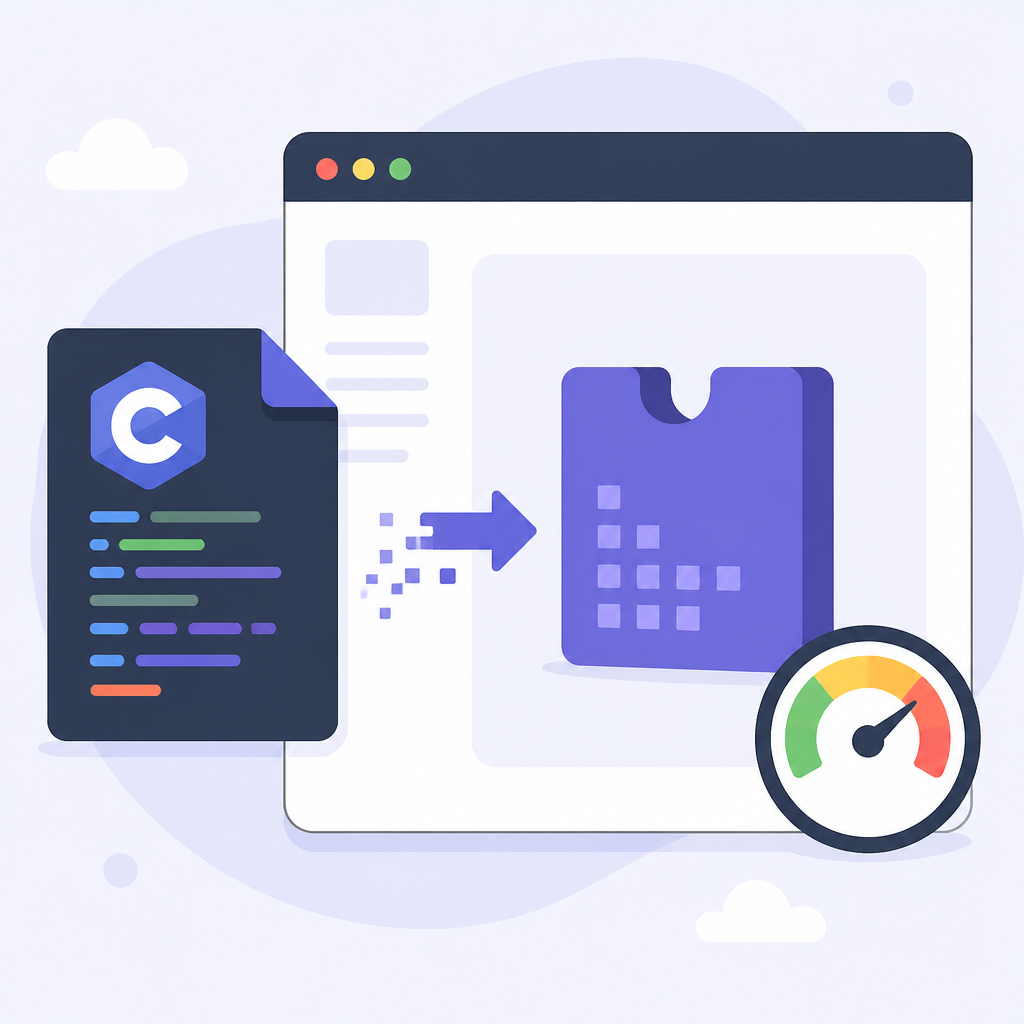
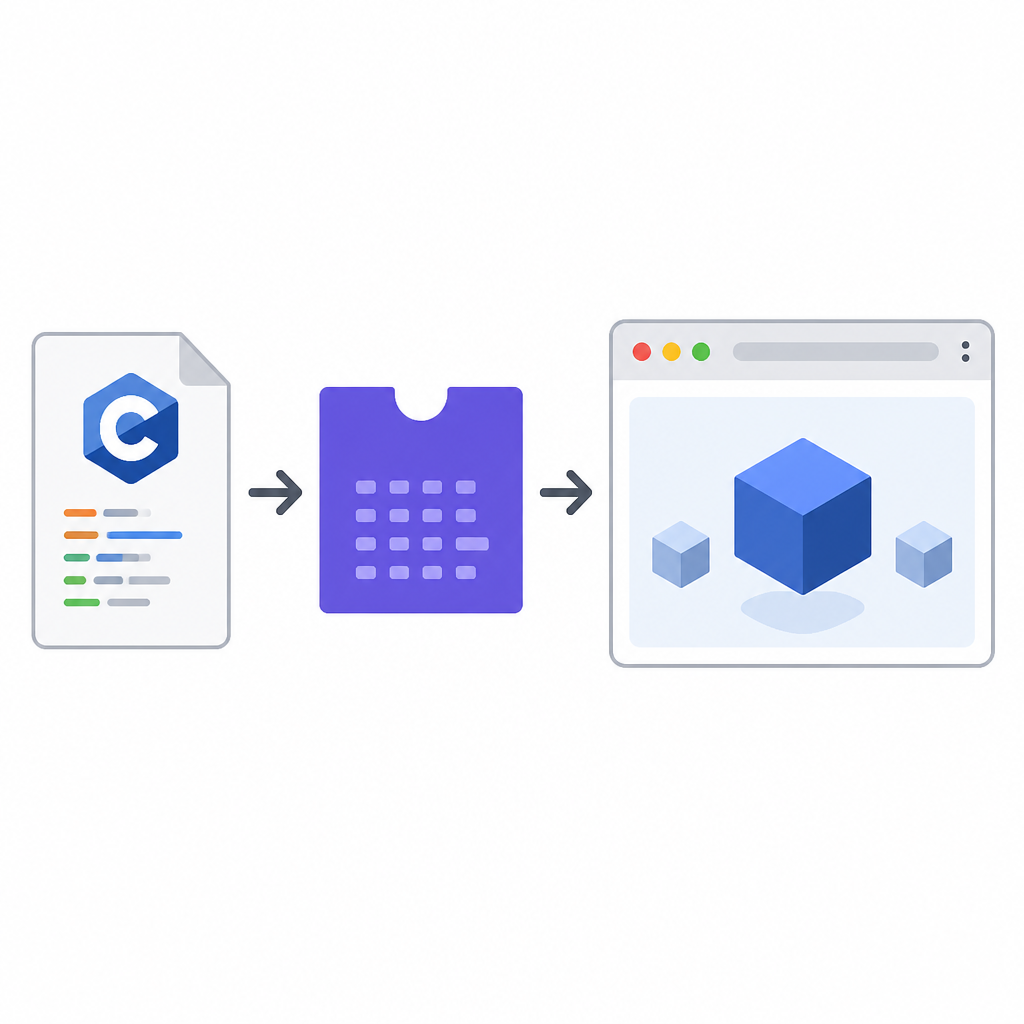
Abriata’s walkthrough focuses on a simple workflow: write C code, compile it with Emscripten, generate the WASM binary plus browser glue code, and launch the result through a web page. He keeps the whole process inside GitHub Codespaces, so the setup needs no local install and only a free GitHub account.
- Create a GitHub repository and open it in Codespaces.
- Write a C file in the browser-based editor.
- Install and activate Emscripten in the Codespaces terminal.
- Compile to .wasm, .js, and .html files, then serve them with a Python HTTP server.
Why it matters
For developers building scientific tools, data apps, or browser-based analysis, the payoff is practical: existing C libraries can be reused instead of rewritten in JavaScript. That matters when the code already exists, is optimized, and is hard to port by hand.
The browser-only workflow also lowers the barrier for experimentation. Teams can share a link instead of shipping installers, dependency stacks, or OS-specific builds, which makes demos, teaching, and lightweight deployment easier.
Abriata frames WebAssembly as a bridge between web accessibility and native-style compute. JavaScript still handles the interface, but WASM can do the heavy lifting behind it.
The takeaway is simple: if your app needs speed and portability, the browser can now host more than UI. The open question is how many existing C and C++ tools will be moved there next.
// Related Articles
- [TOOLS]
Aliyun Bailian Token Plan turns credits into agents
- [TOOLS]
One API gateway turns six AI APIs into one
- [TOOLS]
OpenAI FDEs turn broken agents into shipped systems
- [TOOLS]
Anthropic’s daily brief turns news into a workflow
- [TOOLS]
Claude Reflect turns usage into retention
- [TOOLS]
Midjourney turns prompt ideas into art