Garry Tan Open-Sources a Claude Code Toolkit
Garry Tan’s Claude Code workflow kit passed 20,000 GitHub stars in 6 days, showing strong demand for reusable AI coding setups.

In just 6 days, Garry Tan’s gstack picked up more than 20,000 GitHub stars. That kind of traction is rare for a developer workflow repo, and it says a lot about where AI coding tools are heading: people do not only want models, they want repeatable systems that help them ship code faster.
The project is a toolkit for Claude Code, built around a practical idea. Instead of treating AI coding as a blank chat box, gstack gives developers a reusable setup with prompts, structure, and conventions that can guide real software work.
Why this repo took off so quickly
Get the latest AI news in your inbox
Weekly picks of model releases, tools, and deep dives — no spam, unsubscribe anytime.
No spam. Unsubscribe at any time.
Open-source AI tooling gets attention all the time, but gstack hit a different nerve. It came from Garry Tan, the CEO of Y Combinator, and it arrived with a very clear pitch: here is the workflow I use, packaged so other people can try it themselves.

That matters because many developers are still figuring out how to turn code assistants into dependable daily tools. A public repo with a working setup is more useful than abstract advice about “best practices.” People can inspect the files, copy the structure, and adapt it to their own projects.
- Repository: gstack
- Author: Garry Tan
- Platform: GitHub
- Focus: AI coding workflows for Claude Code
- Early traction: 20,000+ stars in 6 days
The number itself is worth pausing on. GitHub stars are an imperfect metric, but crossing 20,000 that quickly puts a repo in the small group of projects that break out beyond a niche audience. This was not a quiet release for prompt hobbyists. It spread because working developers are actively looking for templates that reduce trial and error.
What gstack actually offers
At its core, gstack packages an opinionated workflow for coding with Claude Code. The appeal is not mystery. It is convenience plus structure. Developers get a starting point for organizing how they ask the model to plan, write, and refine code inside a project.
This kind of toolkit matters because AI coding quality often depends less on the raw model and more on the surrounding process. The same model can produce messy output in one setup and useful output in another, depending on context files, prompt discipline, repo conventions, and review loops.
“People often ask me, ‘What are the secrets to YC?’ The answer is there are no secrets. The best founders are relentlessly resourceful.”
— Garry Tan, quoted on Y Combinator
That quote is not about Claude Code specifically, but it fits the repo well. gstack feels like an expression of that same mindset: publish the workflow, make it inspectable, and let people iterate from there instead of pretending there is some hidden formula.
Why reusable AI workflows matter more than raw prompts
There is a bigger story here than one popular GitHub repo. AI coding has moved past the stage where a clever one-off prompt feels impressive. Teams want setups they can reuse across projects, onboard new developers into, and improve over time.
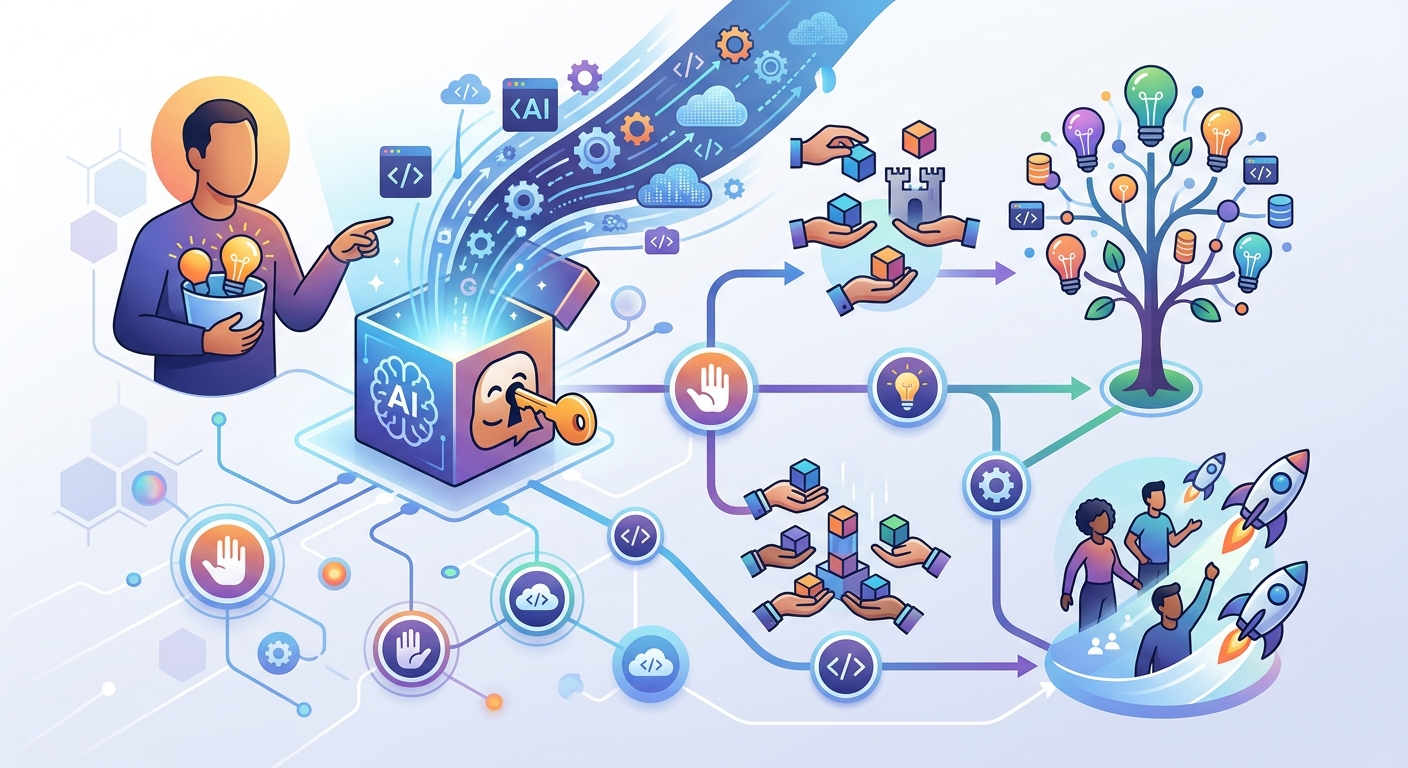
A workflow repo helps with that because it turns personal habits into shared infrastructure. If one developer has a reliable way to use Claude Code for planning tasks, editing files, and checking output, packaging that method in a repo makes it portable.
- A single prompt is easy to copy, but hard to maintain
- A documented workflow is easier to audit and improve
- A repo-based setup fits team habits better than ad hoc chat sessions
- Reusable structure lowers the cost of getting started with AI coding
This is also why the repo spread so fast. Plenty of developers have access to strong models already. What they lack is a setup that feels concrete enough to use on Monday morning in a real codebase.
How gstack fits into the current AI coding market
The timing makes sense. Claude Code has been getting more attention among developers who want agent-style coding help inside the terminal. At the same time, GitHub Copilot, Cursor, and similar products have trained users to expect more than autocomplete. They want tools that can understand project context, propose edits, and follow instructions across multiple steps.
gstack sits in an interesting spot because it is not trying to compete with those products as a full platform. It is a workflow layer, and that can be powerful. In practice, many developers care less about brand labels than about whether a setup helps them move from idea to merged pull request with fewer wasted cycles.
- gstack reached 20,000+ stars in 6 days
- Most open-source developer repos never get close to that level of attention
- Its growth suggests strong demand for Claude Code-specific working methods
- The repo benefits from both Garry Tan’s audience and a real pain point in AI-assisted coding
There is also a cultural angle. Developers have become more skeptical of vague AI productivity claims. A public repo with files, instructions, and visible iteration feels more honest than marketing copy. You can inspect it, fork it, and decide whether it actually improves your workflow.
What developers should take from this
The main lesson is simple: the value in AI coding is shifting toward process design. Better prompts help, but repeatable systems help more. gstack caught fire because it gives developers something concrete to test instead of another abstract promise.
If you use Claude Code, this repo is worth reading even if you never adopt it wholesale. Look at how the workflow is organized, which assumptions it makes, and where you would tune it for your own stack. The next wave of useful AI developer tools will likely look a lot like this: open, opinionated, easy to fork, and built around actual software work rather than demos.
My bet is that more high-profile engineers will publish their personal AI coding setups over the next few months, and the repos that win attention will be the ones that save developers measurable time in real projects. The useful question is no longer whether AI can write code. It is which workflow gets you from issue to shipped feature with the fewest bad edits.
// Related Articles
- [TOOLS]
Aliyun Bailian Token Plan turns credits into agents
- [TOOLS]
One API gateway turns six AI APIs into one
- [TOOLS]
OpenAI FDEs turn broken agents into shipped systems
- [TOOLS]
Anthropic’s daily brief turns news into a workflow
- [TOOLS]
Claude Reflect turns usage into retention
- [TOOLS]
Midjourney turns prompt ideas into art