Why IBM’s Bob is the right kind of AI coding assistant
IBM’s Bob is the right kind of coding assistant because it is built to work across the software lifecycle, not just autocomplete code.

IBM’s Bob is a lifecycle coding assistant, not just a smarter autocomplete tool.
IBM has made the right bet with Bob: the future of developer tooling is not a chat box that spits out snippets, but an assistant that stays useful from planning to implementation to maintenance. Bob is designed to collaborate throughout the software lifecycle and can draw on Claude, Mistral, and IBM’s Granite, which tells you exactly where the market is heading. The winning product is no longer the model with the flashiest demo. It is the system that fits into real engineering work without forcing teams to rebuild their process around it.
First argument: software work is bigger than code generation
Get the latest AI news in your inbox
Weekly picks of model releases, tools, and deep dives — no spam, unsubscribe anytime.
No spam. Unsubscribe at any time.
Most developer pain does not happen at the line-of-code level. It happens in the gaps between tasks: understanding an existing service, tracing a bug through multiple repos, deciding how a change affects tests, docs, security, and deployment. A tool that only helps with autocomplete solves a narrow slice of the problem. A lifecycle assistant can help with the actual work engineers spend their day doing.
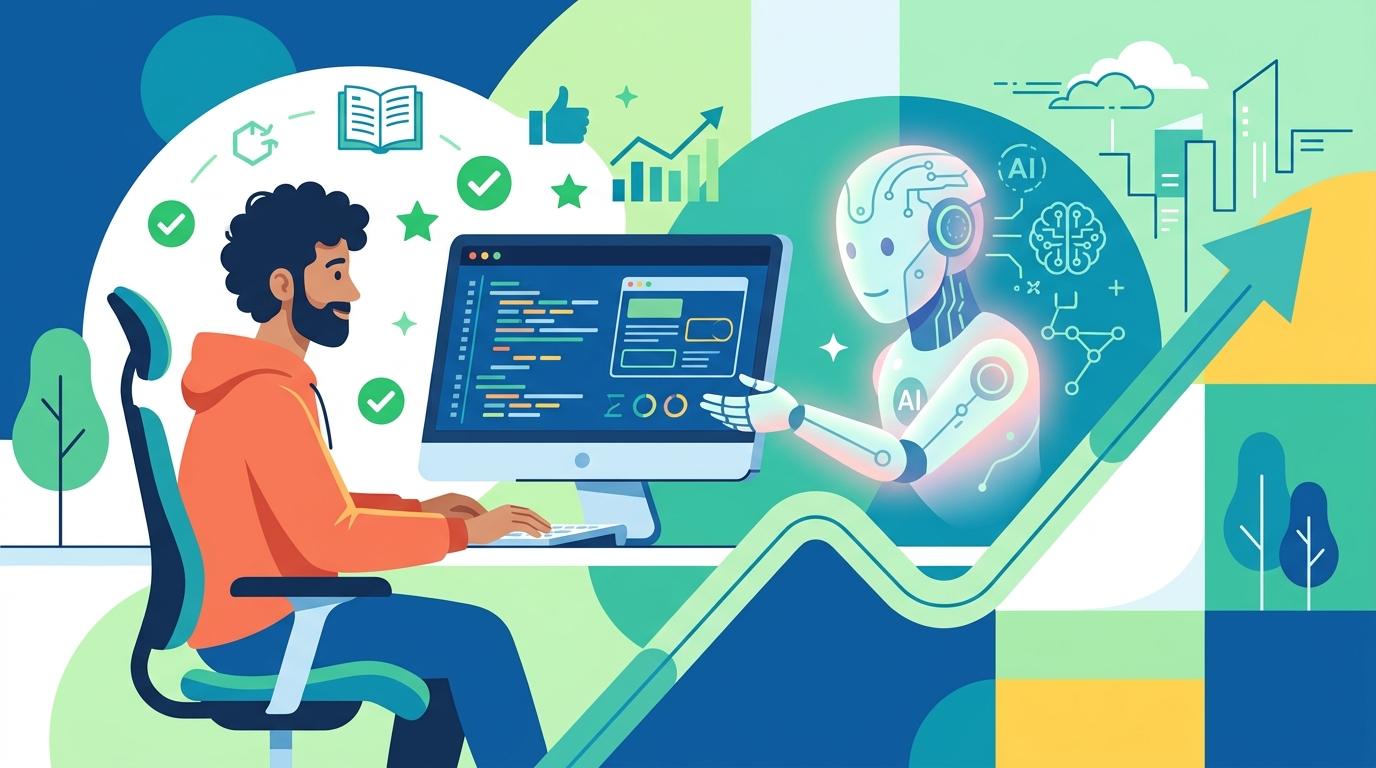
That is why Bob matters. IBM is not positioning it as a toy or a standalone prompt window. By framing it as a companion across the software lifecycle, IBM is admitting that code generation alone is not the product. The product is coordination, context, and continuity. In enterprise software, those are the scarce resources, not raw token output.
Second argument: model flexibility is the real moat
Bob integrates Claude, Mistral, and IBM’s Granite, and that is a stronger strategy than betting everything on one model. In practice, teams need different strengths for different jobs. One model may be better at reasoning through a refactor, another at summarizing a codebase, another at working inside a governed enterprise stack. A serious assistant should route work to the best engine available, not pretend one model wins every task.
There is also a business lesson here. Developers do not want tool lock-in if the underlying model landscape keeps shifting. By making Bob a layer above multiple models, IBM is building resilience into the product. If one model changes price, quality, or policy, the assistant can adapt. That is a far better long-term bet than tying developer productivity to a single vendor’s roadmap.
The counter-argument
The strongest objection is simple: the market already has too many AI coding assistants, and most of them blur together. If Bob cannot outperform GitHub Copilot, Cursor, or the next model-native IDE on speed and quality, then lifecycle language is just enterprise packaging. Developers want fewer interruptions, better completions, and less friction. They do not care whether the assistant is “agentic” if it slows them down.
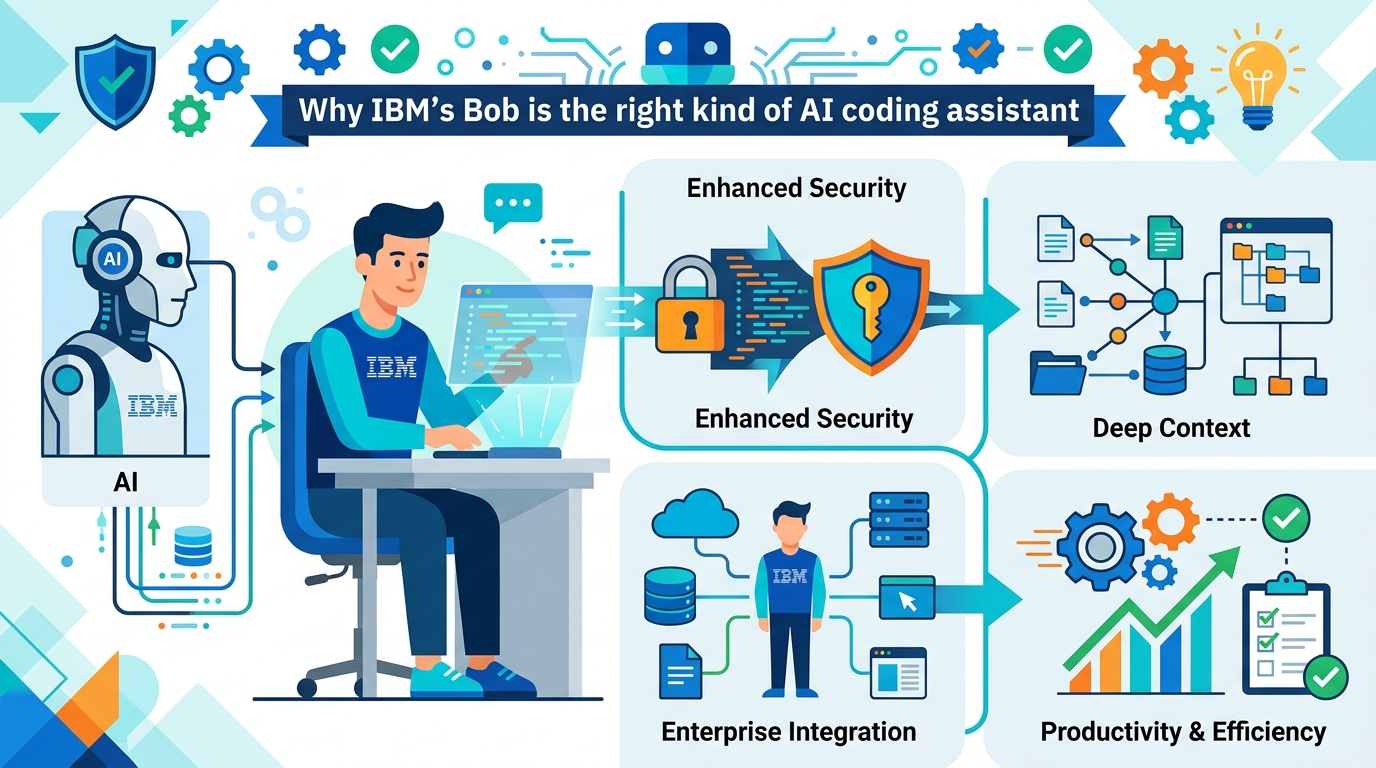
That critique is fair. If Bob becomes another thin wrapper around models with a polished pitch deck, it will fail. But that is not an argument against the strategy. It is an argument for execution. IBM’s advantage is not novelty, it is distribution, governance, and the ability to serve teams that need model choice and enterprise controls. In that segment, a lifecycle assistant is not fluff. It is the minimum viable product.
What to do with this
If you are an engineer, do not evaluate Bob by asking whether it writes code faster than every other assistant. Evaluate it by whether it reduces context switching, improves handoffs, and helps you move from issue to merged change with fewer dead ends. If you are a PM or founder, stop shopping for a single magical model and start thinking in systems: orchestration, memory, permissions, and workflow fit are where the durable value now lives.
// Related Articles
- [TOOLS]
Aliyun Bailian Token Plan turns credits into agents
- [TOOLS]
One API gateway turns six AI APIs into one
- [TOOLS]
OpenAI FDEs turn broken agents into shipped systems
- [TOOLS]
Anthropic’s daily brief turns news into a workflow
- [TOOLS]
Claude Reflect turns usage into retention
- [TOOLS]
Midjourney turns prompt ideas into art