SurePath AI's New MCP Policy Controls Enhance AI Security
SurePath AI introduces MCP Policy Controls, providing real-time governance over AI interactions to enhance security and oversight.

In today's rapidly evolving technological landscape, SurePath AI has taken a significant step towards improving AI security with the introduction of their Model Context Protocol (MCP) Policy Controls. This new capability promises to offer real-time governance over AI interactions, addressing the growing concerns around AI security and oversight.
Understanding MCP Policy Controls
Get the latest AI news in your inbox
Weekly picks of model releases, tools, and deep dives — no spam, unsubscribe anytime.
No spam. Unsubscribe at any time.
The MCP Policy Controls provide organizations with the tools to monitor and control what MCP servers and tools can be used. This is crucial for maintaining visibility and security within AI-powered workflows. The implementation of these controls aims to close the visibility gap and ensure secure AI interactions from the outset.
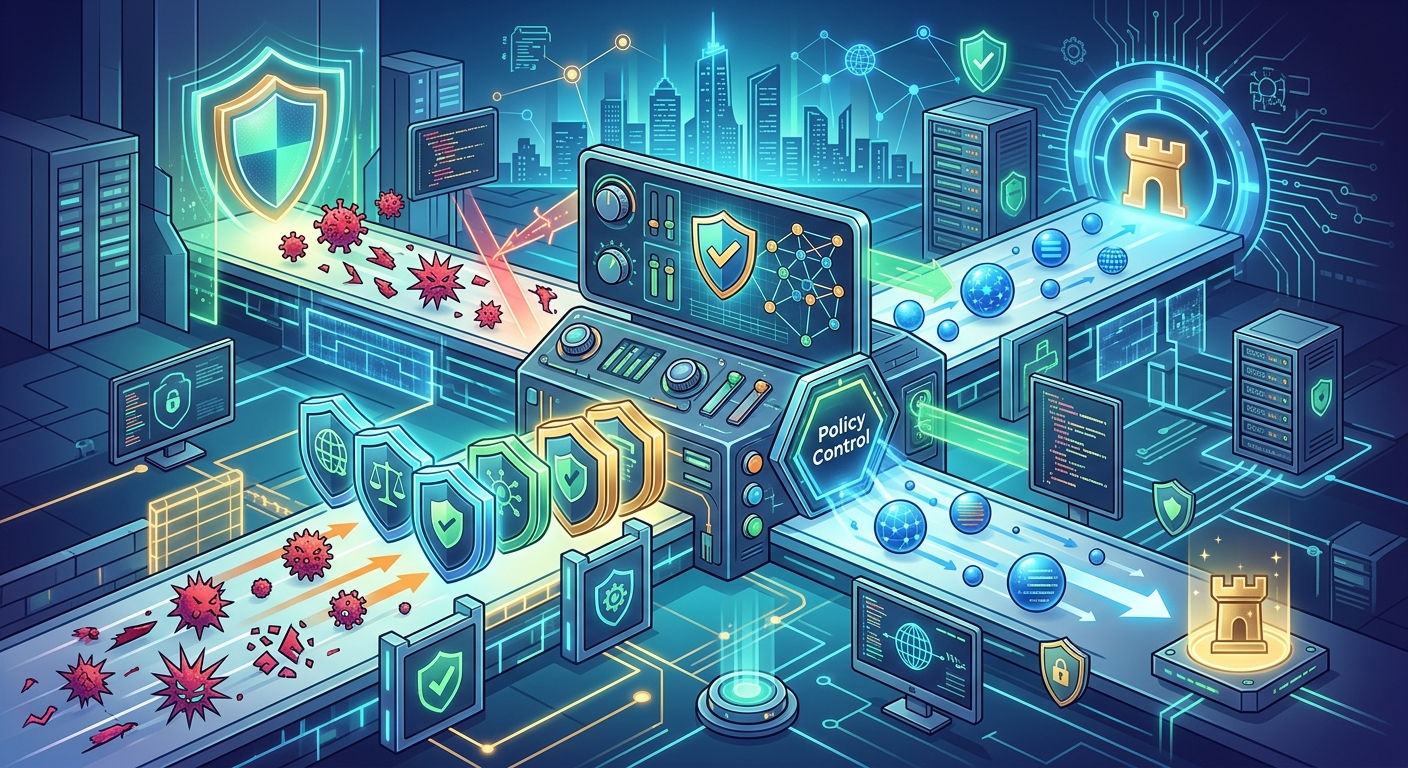
- Real-time controls over MCP servers and tools
- Visibility and safeguards for AI adoption
- Specific controls for MCP operations beyond traditional firewall policies
Randy Birdsall, the CPO and Co-Founder of SurePath AI, highlighted that "MCP has quickly evolved from a buzz-acronym to the backbone in next-gen AI-powered workflows. We are seeing patterns similar to when ChatGPT first became available – rapid adoption, little oversight, and a surface-level understanding of risks."
Challenges in AI Security
The introduction of MCP tools has brought new security challenges. These tools can be run locally on users' devices and often link to internal systems like Google Drive and AWS management APIs. This raises the risk of data sprawl and unauthorized access, as AI tools can issue real commands authenticated as the end user.
"The reality is that MCP introduces an entirely new attack surface, one that many organizations are already exposing without realizing it," Birdsall added. "Blocking MCP is not practical. Instead, it needs to be managed securely."
SurePath AI addresses these challenges by enforcing policy-based controls over MCP servers and tools. This includes maintaining a catalog of known MCP servers and applying access controls in real time.
Comparing Security Measures
SurePath AI's MCP Policy Controls offer a robust solution compared to traditional security measures like firewalls and IAM policies. The platform is designed to be schema-aware, allowing it to transform requests and enforce specific organizational policies.
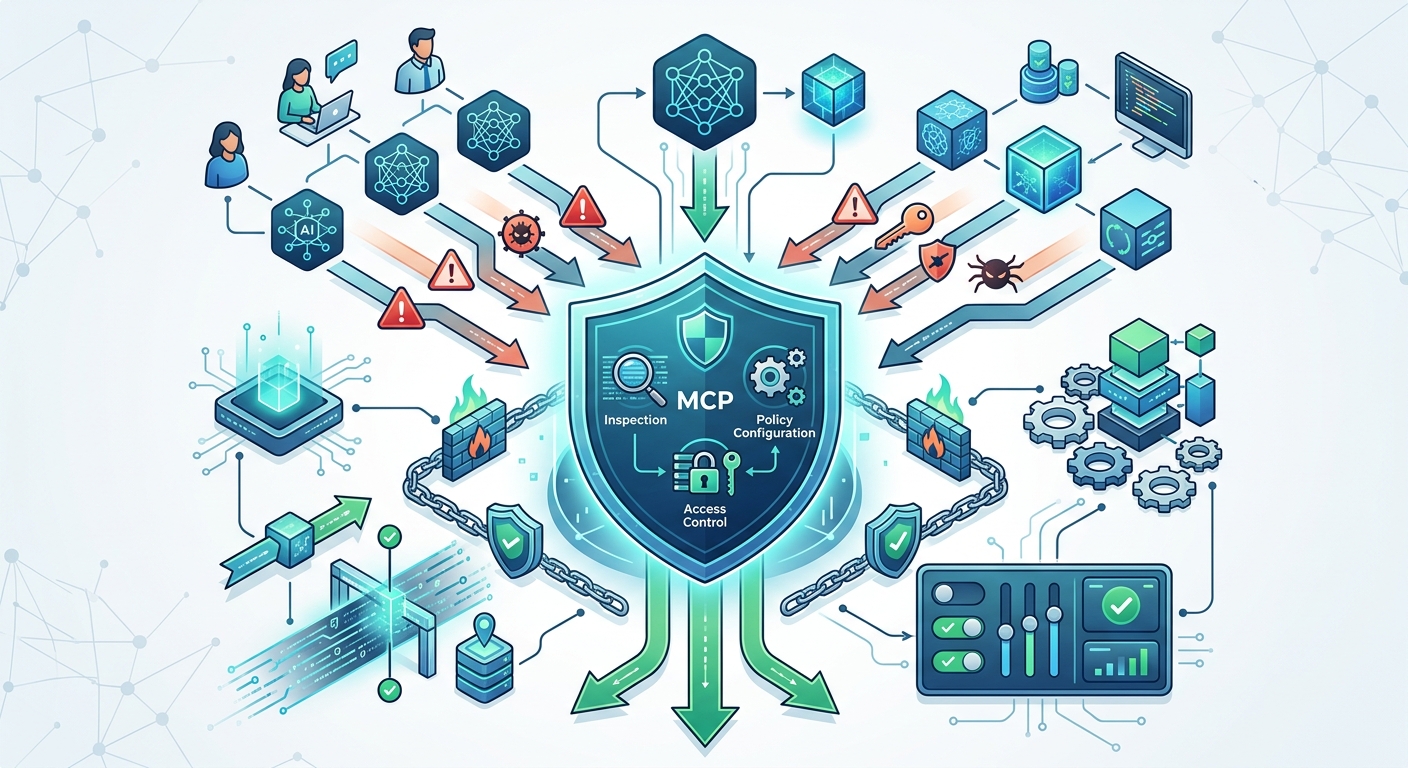
- Application of policy-based controls over MCP servers
- Real-time access control down to the specific tool level
- Discovery and blocking of unauthorized MCP tools
These features make SurePath AI a unique solution for organizations looking to secure their AI environments without stifling innovation.
Implications for AI Adoption
The introduction of MCP Policy Controls by SurePath AI marks a significant advancement in AI security. As organizations increasingly rely on AI tools, the need for robust security measures becomes paramount. SurePath AI's new capability offers a way to manage AI interactions securely, providing peace of mind to security teams tasked with supporting AI adoption.
As AI continues to integrate into business operations, the question remains: How will organizations balance the need for innovation with the necessity of maintaining security? SurePath AI's MCP Policy Controls provide a promising solution to this challenge, offering a framework for secure AI adoption.
// Related Articles
- [TOOLS]
Aliyun Bailian Token Plan turns credits into agents
- [TOOLS]
One API gateway turns six AI APIs into one
- [TOOLS]
OpenAI FDEs turn broken agents into shipped systems
- [TOOLS]
Anthropic’s daily brief turns news into a workflow
- [TOOLS]
Claude Reflect turns usage into retention
- [TOOLS]
Midjourney turns prompt ideas into art